
Search
Showing results for "Childhood interstitial lung disease "
Neuromuscular disorders can lead to nocturnal hypoventilation. Accurate diagnosis of hypoventilation is imperative to guide treatment decisions. This study determined interobserver agreement for a number of definitions of nocturnal hypoventilation in children and adolescents with neuromuscular disorders.
Despite a high burden of respiratory disease among infants globally, limited options exist for lung function testing in this age group. Tidal breathing techniques such as oscillometry allow for understanding the pathophysiology of diseases that originate early in life, thus providing the opportunity to develop timely prevention and treatment strategies.
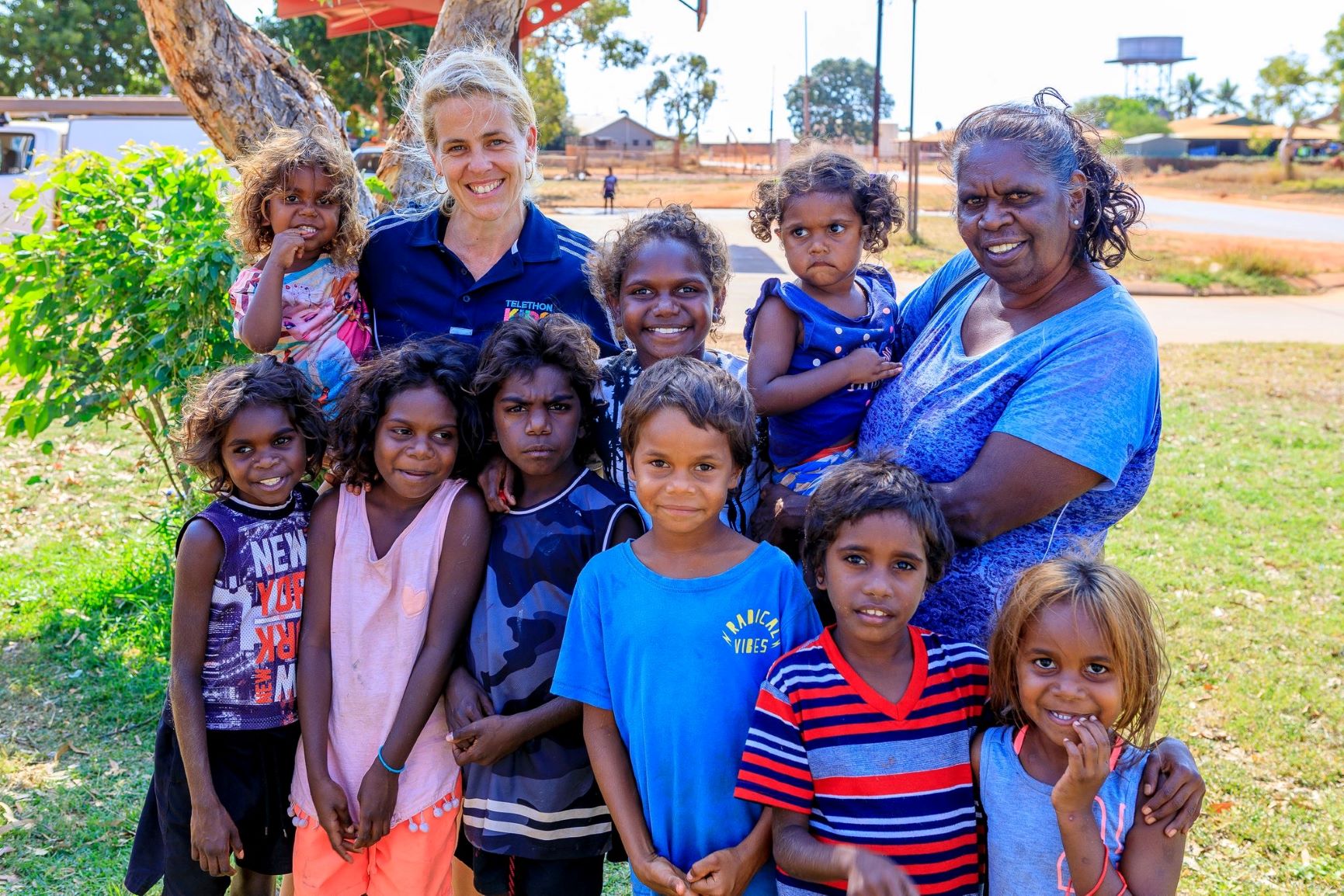
Respiratory illness accounts for 12% of the age-standardised gap in mortality between Indigenous and non-Indigenous Australians.
Alexander Anthony Dr Katherine Larcombe Kicic Landwehr BScEnv (Hons) PhD BSc (Hons) PhD BSc(Hons) Honorary Research Fellow Head, Airway Epithelial
Using the WA Data Linkage System to provide information of the incidence and relative risk of T1D co-morbidities and mortality during early adulthood.
High levels of sedentary behaviour are associated with poor child health outcomes such as obesity. Early childhood education and care (ECEC) services are a key intervention setting. Most ECEC policy-based interventions focus on children's nutrition and physical activity with few aimed at children's sedentary behaviour.
In Western Australia (WA), children aged 24 months living regionally or remotely (non-urban) have suboptimal vaccine uptake. As there has not yet been a systematic approach to understanding the facilitators and barriers to childhood vaccination in regional and remote WA, this study aimed to understand the views of key immunisation stakeholders regarding barriers and solutions.
Promoting healthy eating and physical activity in early childhood education and care is recommended within guidelines and supported by health promotion programs; however, implementation is suboptimal. Evidence suggests implementation within the sector varies over time; however, this has not been empirically examined in relation to implementation barriers.
Family-based lifestyle interventions for children/adolescents with severe levels of obesity are numerous, but evidence indicates programs fail to elicit short- or longer-term weight loss outcomes. Families with lived experience can provide valuable insight as we strive to improve outcomes from programs. Our aim was to explore elements that families desired in a program designed to treat severe levels of obesity in young people.
Many children do not accumulate sufficient physical activity for good health and development at early childhood education and care (ECEC). This study examined the association between ECEC organizational readiness and implementation fidelity of an ECEC-specific physical activity policy intervention.