
The catastrophic consequences of natural disasters on social and economic systems are extensively documented, yet their influence on individuals' sen…
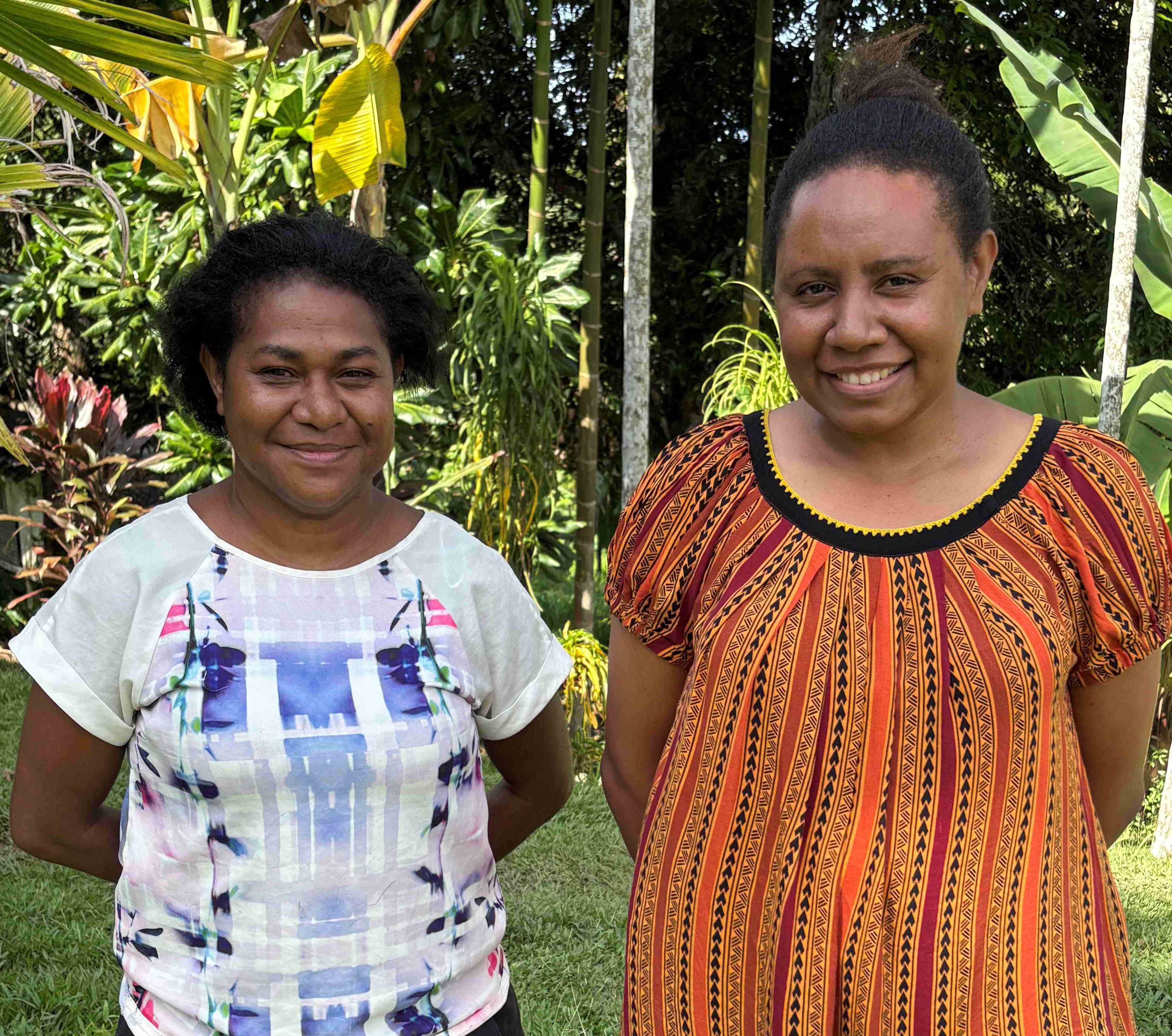
Two infectious disease researchers from Papua New Guinea (PNG) dedicated to reducing rates of childhood mortality in their home country are making si…
We’ve heard from families that trustworthy information about preterm-associated lung disease is difficult to find. In response, we’ve created resourc…
No validated oral health-related quality of life (OHRQOL) instrument currently exists for those with severe intellectual and developmental disabiliti…
The pivotal phase 3 EPITOPE trial, a 12-month, double-blind, placebo-controlled study of epicutaneous immunotherapy with the VIASKIN patch containing…
Smokers are at an increased risk of developing mucosal head and neck squamous cell cancers (HNSCCs) and have a worse prognosis when treated. The cell…
Children are sometimes transported via fixed or rotary wing aircraft for medical care. If they are intubated with a cuffed endotracheal tube (ETT), c…
Fuelled by the tobacco industry, commercial tobacco use is a major cause of preventable morbidity and mortality among Aboriginal and Torres Strait Is…
Functional capacity assessments help families and the NDIS ensure that children receive the right level of support, resources, and funding to achieve…
Today, May 12th, is International Nurses Day. To celebrate the wonderful nurses in our diabetes team, we asked Clinical Research Nurse Manager Alex T…