
Search
Showing results for "autism"
PPV is immunogenic in 9-month-old children at high risk of pneumococcal infections and does not affect the capacity to produce protective immune responses
Young adults who are lesbian, gay, bisexual, trans, queer or questioning, intersex, asexual and other diverse genders and sexualities (LGBTQIA+) are more likely to experience mental health difficulties and are at significantly elevated risk of substance abuse, self-harm and suicide, relative to their heterosexual, endosex and cisgender peers. There is a need for effective mental health interventions for LGBTQIA+ young adults. Mindful Self-Compassion training is a promising approach; among LGBTQIA+ individuals, self-compassion accounts for more variation in mental health outcomes than bullying, victimization, and adverse childhood experiences combined. Furthermore, LGBTQIA+ individuals with high self-compassion report more positive identity and happiness, less self-stigma, and lower suicidality than those with low self-compassion.

The Kids Research Institute Australia researchers set out on a worldwide search to find out all they could about Rett syndrome, establishing databases and creating awareness.
Pregnancy and the postnatal period can be a time of increased psychological distress, which can be detrimental to both the mother and the developing child. Digital interventions are cost-effective and accessible tools to support positive mental health in women during the perinatal period.
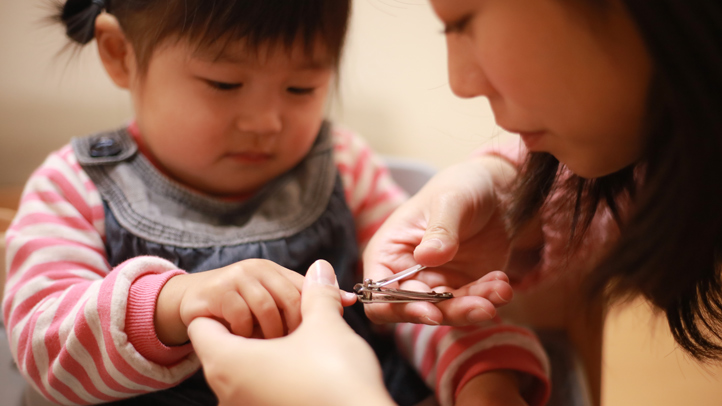
In this blog, Curtin University Occupational Therapy student Julia Than discusses how to make nail care an important part of a child's self-care routine.

In this blog, Speech Pathology Clinical Lead Aria May discusses serve and return interactions to promote connection and communication with your child.

What does BHP know about medical research? More than you might imagine!

Four outstanding members of The Kids Research Institute Australia family have been named as finalists in the 2024 Western Australian of the Year Awards.
Infant allergy is the most common early manifestation of an increasing propensity for inflammation and immune dysregulation in modern environments. Refined low-fibre diets are a major risk for inflammatory diseases through adverse effects on the composition and function of gut microbiota. This has focused attention on the potential of prebiotic dietary fibres to favourably change gut microbiota, for local and systemic anti-inflammatory effects.
Desiree Dr Jackie Lisa Susan Silva Davis Gibson Prescott MBBS, FRACP, MPH, PhD BSc (Hons), PGradDipHlthProm, PhD BA (Hons), MPsych, PhD MBBS BMedSci