
Search
Showing results for "autism"
Desiree Dr Jackie Lisa Susan Silva Davis Gibson Prescott MBBS, FRACP, MPH, PhD BSc (Hons), PGradDipHlthProm, PhD BA (Hons), MPsych, PhD MBBS BMedSci
CONNECT-CP aims to diagnose cerebral palsy (CP) earlier and ensure all children in Western Australia (WA) have access to early assessment and support.

Kids Rehab WA is an integrated team of clinicians and researchers who deliver and research therapies for children with acquired or congenital neurological impairments, leading to improved outcomes for children and their families.
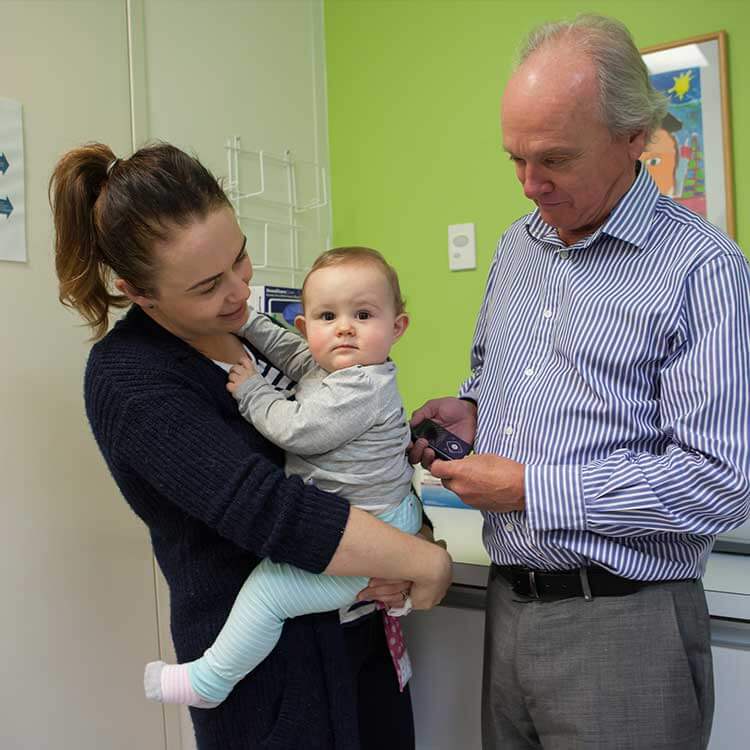
The Children's Diabetes Centre's research into Type 1 diabetes, childhood onset Type 2 diabetes and obesity aims to improve the lives of children and adolescents affected by these conditions.
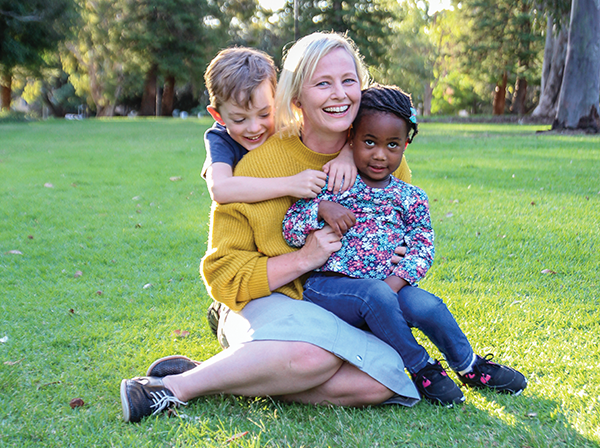
The Foundations of Lung Disease Team is focused on improving the diagnosis, treatment, and lifelong care of childhood lung disease.
We’ve heard from families that trustworthy information about preterm-associated lung disease is difficult to find. In response, we’ve created resources to empower families with the knowledge they need to manage these challenges.
Accelerate will develop and pilot, a multi-directorate teaching and training network for early detection of cerebral palsy (CP), encompassing key clinical partners across CAHS and WACHS.

In this The Kids Research Institute Australia subsite, our Rett syndrome research team manages a national and international database of Rett syndrome.
Christopher Hannah Peter Peter Blyth Moore Jacoby Richmond MBBS (Hons) DCH FRACP FRCPA PhD OAM BSc (Hons) GradDipClinEpi PhD BA (Hons) MSc MBBS MRCP(
Publications from 2017 dating back to 2004 of CDKL5 researchers.