
Search
Showing results for "mental health aboriginal"
Whether airway mucosal acidification drives early progressive lung disease is controversial
Structural lung changes seen on computed tomography scans in persons with primary ciliary dyskinesia are currently described using cystic fibrosis derived scoring systems. Recent work has shown structural changes and frequencies that are unique to PCD, indicating the need for a unique PCD-derived scoring system.
The Game Changers project was about using the Kimberley passion and enthusiasm for sport to engage Kimberley kids who were in a disrupted environment, with negative impacts on behaviour and attendance at school, leaving them vulnerable and at-risk in the community.
An innovative response-adaptive approach to driving improvements in health outcomes, applied to cystic fibrosis.
Fathers play a critical role in children’s development, yet remain under-represented in research and associated policy outcomes, leaving critical gaps in our understanding of the role and long-term impact of father involvement.

Megan is a training specialist on the Healing Kids, Healing Families Team.
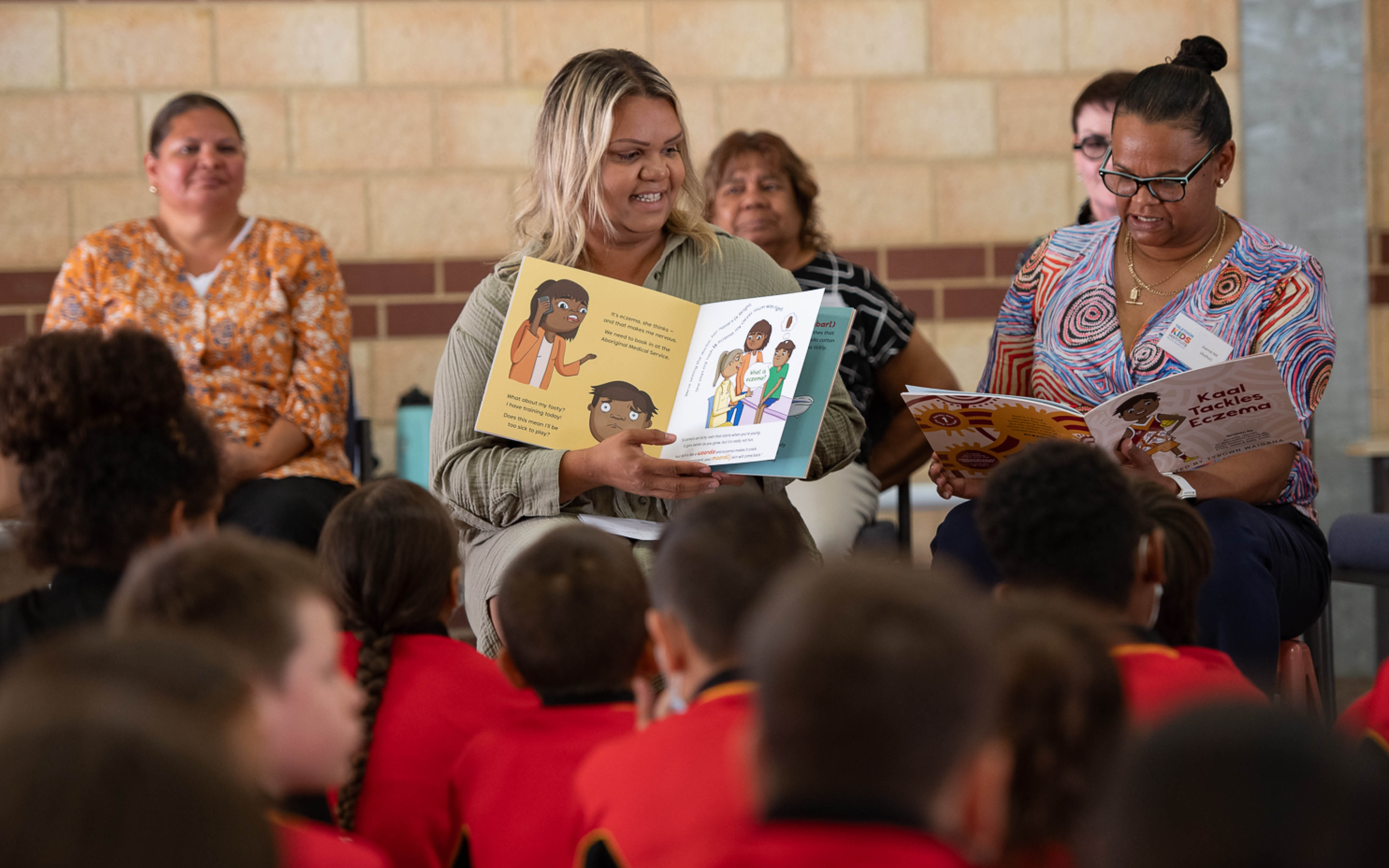
Our aim is for all kids to have healthy skin. We work with communities to reduce the burden of Strep A skin sores and sore throats to prevent rheumatic fever.
This study examined the association between typical parental work hours (including nonemployed parents) and children's behavior in two-parent heterosexual...
The Supporting Training of Aboriginal Researchers Staff program (STARS) is a diverse program with flexible awards to equip the next generation of Aboriginal leaders in our community.

We welcome the Cook Labor Government’s plan to introduce proactive measures to improve the safety and welfare of children and young people within the State’s youth justice system.