
Aboriginal children and families contend with higher rates of preventable infectious diseases that can be attributed to their immediate living enviro…
Vaccine policy and guideline recommendations require high quality evidence. A review of the evidence quality used to inform vaccine clinical practice…
Skin health is widely recognised as being important for overall good health and well-being, yet the burden of skin infections in remote Aboriginal co…
In high-transmission areas, school-aged children have higher malaria prevalence and contribute significantly to the transmission reservoir. Malaria i…
We report the isolation of a bacteriophage with obligately lytic activity against Pseudomonas aeruginosa from wastewater. The reported phage, Minga-m…
A life-saving meningococcal vaccine covering all five common strains of the deadly disease could soon be available thanks to vital research demonstra…
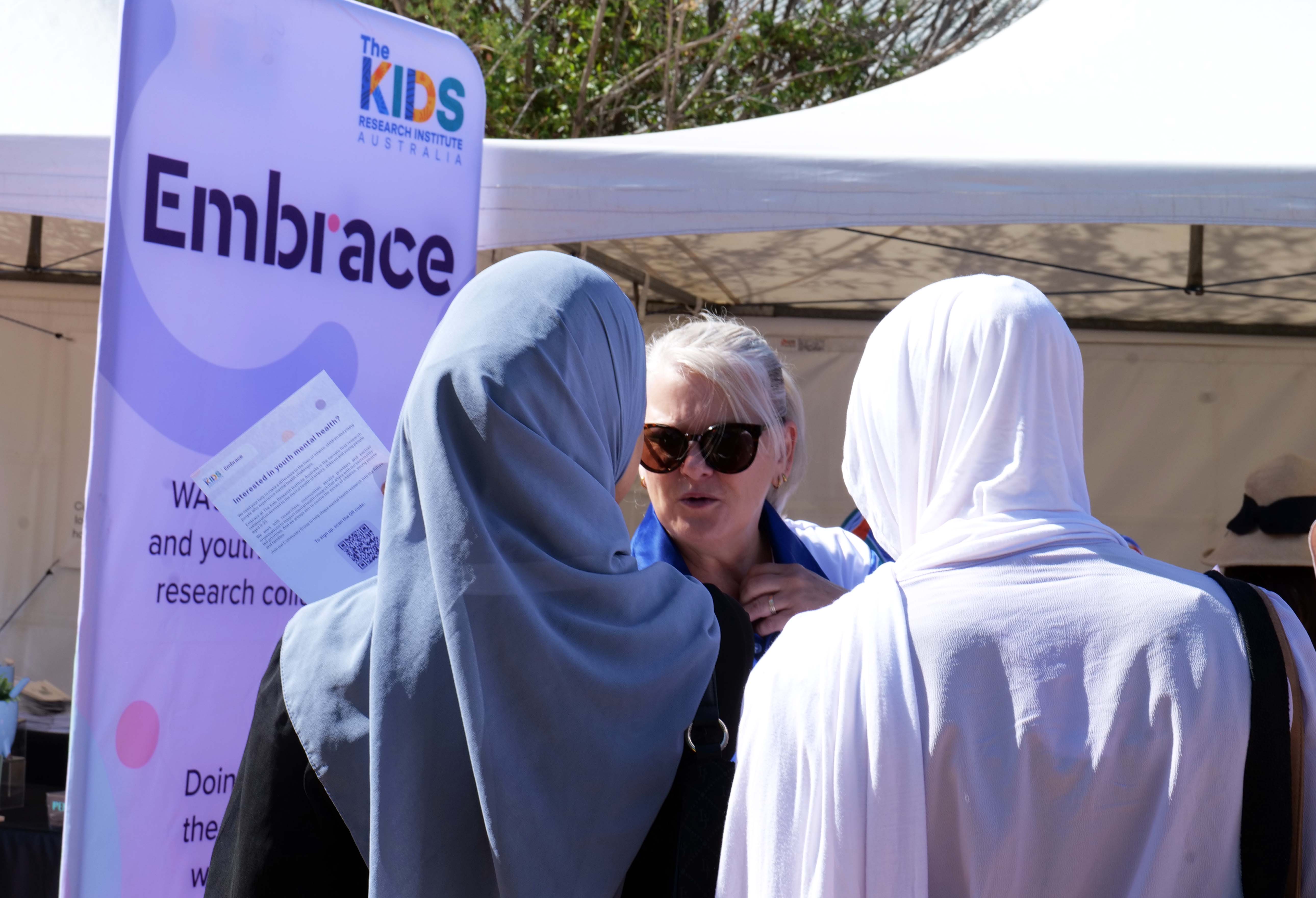
“Stigma”, “pressure of ATAR”, “stress” and “money” were some of the key issues identified when Embrace researchers asked students about their biggest…
To characterise small-area geographical variation in the prevalence of diabetes in Australian youth. A combined statistical reconstruction and small-…
Dissociation can exist along a continuum from normal developmental experiences to severe and contributing to persistent mental illness and impeding n…
To assess the impact of implementing a sepsis pathway and education program on key sepsis outcomes and performance targets in a tertiary paediatric h…