
Search
Showing results for "mental health aboriginal"
Asthma is the most common chronic lung disease in childhood. There has been a significant worldwide effort to develop tools/methods to identify children's risk for asthma as early as possible for preventative and early management strategies. Unfortunately, most childhood asthma prediction tools using conventional statistical models have modest accuracy, sensitivity, and positive predictive value.
To understand the prevalence of children and adolescents’ electronic device use (EDU) in the hour before bed and identify sociodemographic groups that are at increased risk of problematic use.
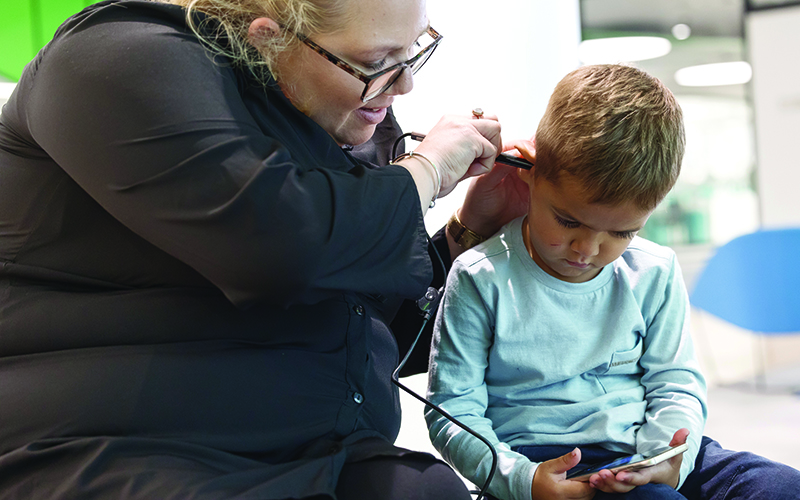
An innovative The Kids program is helping to slash waiting times so children can have their ear problems checked within days.
Despite recent improvements in treatment modalities for cystic fibrosis (CF), there is currently limited evidence and a lack of consensus regarding optimal treatment strategies for the different aspects of CF, including pulmonary exacerbations (PEx). We aimed to establish a prospective cohort of people with CF (pwCF) to evaluate alternative approaches to managing CF in the era of modulator therapies.
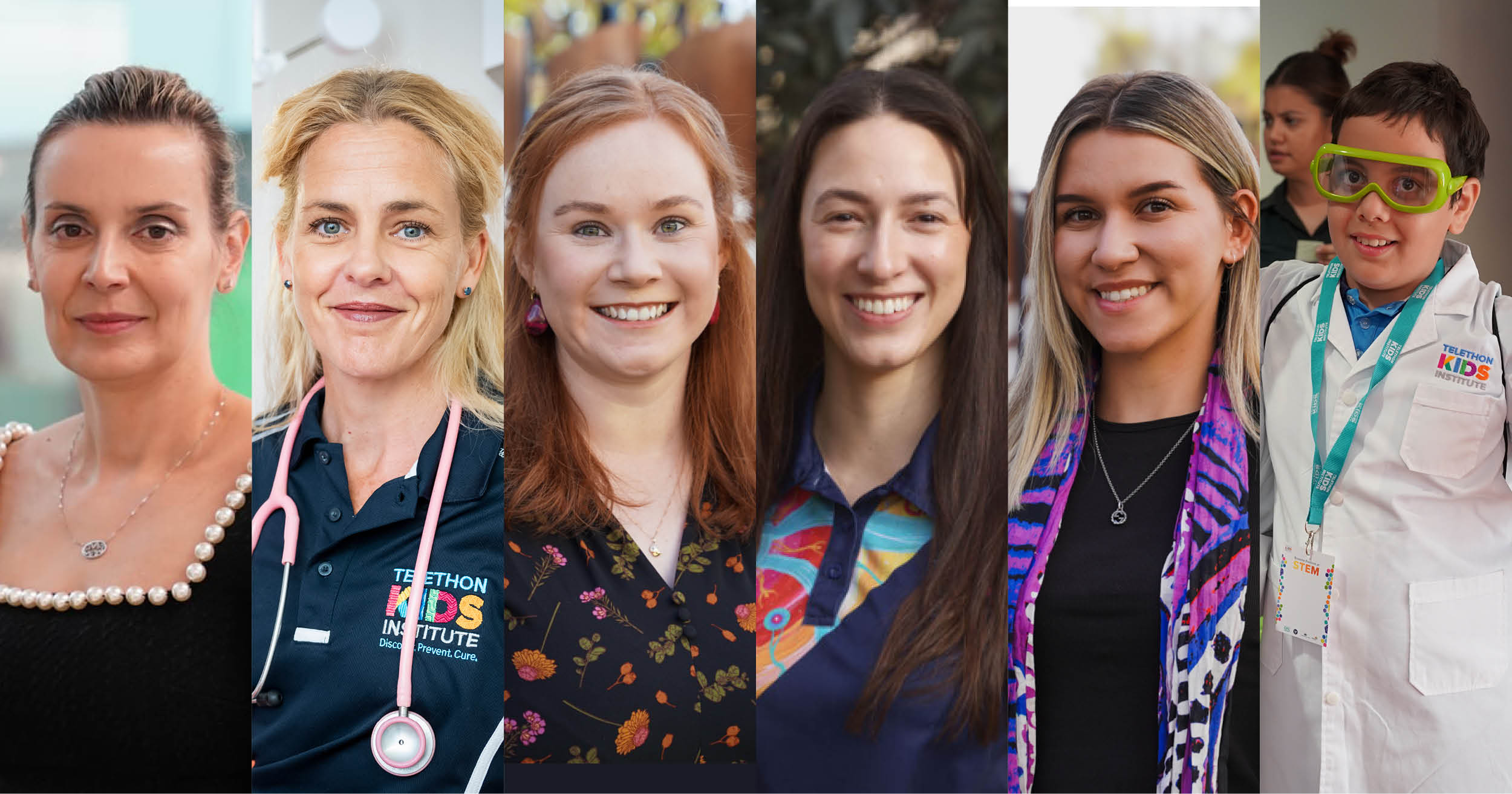
Five The Kids Research Institute Australia researchers and a popular Institute-led science festival for kids have been named as finalists in the 2024 Premier’s Science Awards.
The Koolungar (children) Moorditj (strong) Healthy Skin project is the first ever co-designed research-service Australian study to describe skin health in urban-living Aboriginal koolungar.
This study explores the differential impact of weather on time allocation to physical activity and sleep by children and their parents. We use nationally representative data with time use indicators objectively measured on multiple occasions for more than 1,100 child-parent pairs, coupled with daily meteorological data.
This report presents the evaluation findings of headspace, a service to improve the mental health and social and emotional wellbeing of young people
This project aims to explore the impacts of unfavourable climatic conditions on children and families.
This project seeks to better understand the broader impacts of the AMEP on migrant outcomes.