
Search
Showing results for "clinical trials"

The Foundations of Lung Disease Team is focused on improving the diagnosis, treatment, and lifelong care of childhood lung disease.
These data support that children are not just 'little adults' in the AMR era, and analyses by age group are important to detect differences in antibiotic susceptibility
We conducted a systematic review of clinical trials and observational studies that address the utility of SXT for SSTI treatment, caused by either GAS or MRSA
Nontypeable Haemophilus influenzae (NTHi) is a major otitis media (OM) pathogen, with colonization a prerequisite for disease development. Most acute OM is in children <5 years old, with recurrent and chronic OM impacting hearing and learning. Therapies to prevent NTHi colonization and/or disease are needed, especially for young children. Respiratory viruses are implicated in driving the development of bacterial OM in children.
Children in low-mid income countries, and First Nations children in high-income countries, experience disproportionately high rates of Streptococcus pneumoniae and Haemophilus influenzae infections and diseases including pneumonia and otitis media.
Elke Lea-Ann Ruth Peter Seppanen Kirkham Thornton Richmond BSc PhD PhD PhD MBBS MRCP(UK) FRACP Program Manager, Bacterial Respiratory Infectious
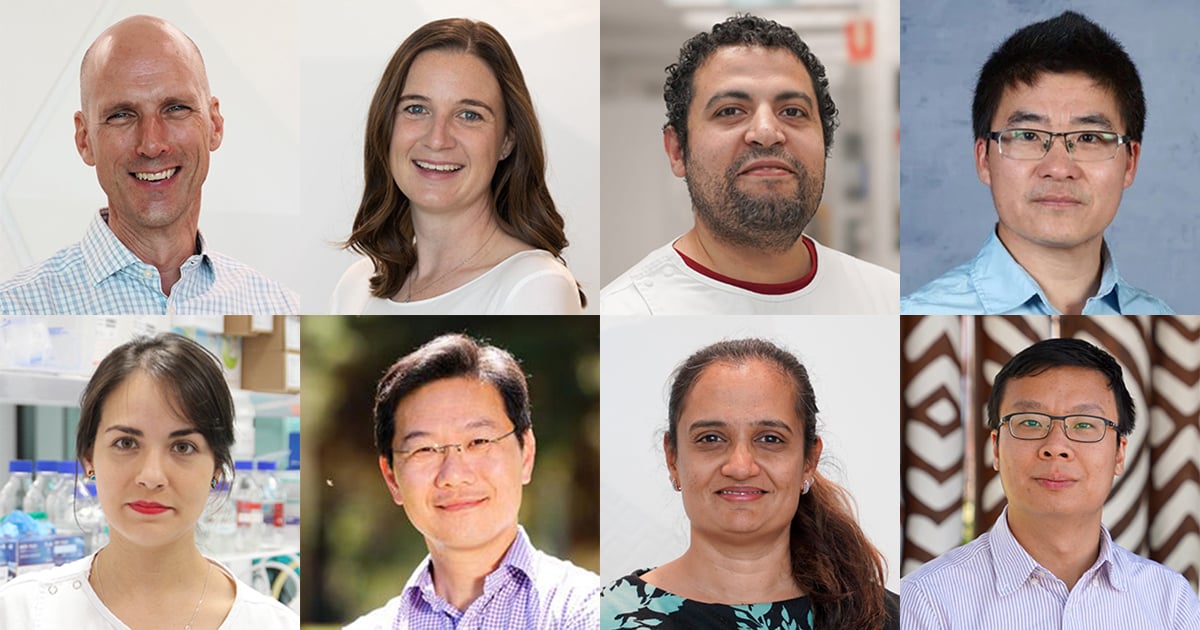
Eight childhood cancer researchers have been awarded over $2 million in transformative grants from Cancer Council WA to advance their pioneering work in improving cancer treatments and outcomes for patients in Western Australia and around the world.
Describe the epidemiology of Staphylococcus aureus bacteremia in children and adolescents younger than 18 years from Australia and New Zealand
The global population has been severely affected by the coronavirus disease 2019 (COVID-19) pandemic, however, with older age identified as a risk factor, children have been underprioritized. This article discusses the factors contributing to the less severe response observed in children following infection with severe acute respiratory syndrome coronavirus 2 (SARS-CoV-2), including, differing viral entry receptor expression and immune responses.
Comparison of Influenza C viruses detected from Australian clinical samples with Influenza C viruses detected in other parts of the world in recent years