
Search
Showing results for "early lung health"

At The Kids Research Institute Australia, we've been thinking of the kids for 35 years. We are finding the answers to some of the biggest problems facing the health and wellbeing of children and families. Our Research Themes host defined programs of work where the Institute has clear strengths and capacity. Our overarching commitment to First Nations Health and Equity is embedded across all our work and features as a core consideration in each Research Theme. The Institute is committed to ending the disparity in health and wellbeing outcomes between Aboriginal and non-Aboriginal kids and families.

A large contingent of researchers from the Wal-yan Respiratory Research Centre are heading to Spain in September to participate in the European Respiratory Society (ERS) International Congress – the largest respiratory meeting in the world.
These findings indicate that early CF lung disease is characterized by an increased mucus burden and inflammatory markers without infection or structural lung disease
Neuromuscular disorders can lead to nocturnal hypoventilation. Accurate diagnosis of hypoventilation is imperative to guide treatment decisions. This study determined interobserver agreement for a number of definitions of nocturnal hypoventilation in children and adolescents with neuromuscular disorders.
Our data demonstrate changes in airway responsiveness as a result of intrauterine growth restriction that could influence susceptibility to asthma development
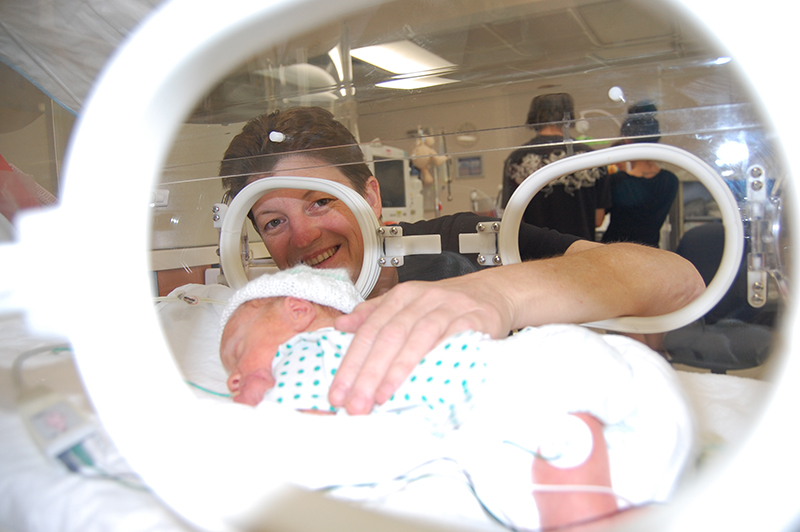
The Chronobiology team works to understand the factors that contribute to poor lung and heart function in newborn infants and find ways to prevent heart and lung disease.
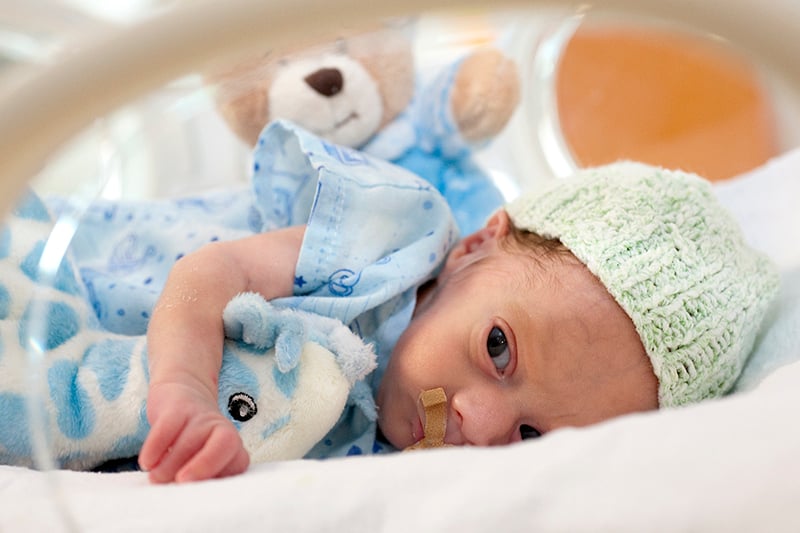

Ten-year-old Keelan Mullins is known to his mum Clare Hindle as her ‘miracle baby’. Keelan was born in March 2013 at 26 weeks’ gestation and weighing just 1096 grams.
A phase 3 multi-centre randomized placebo-controlled study of azithromycin in the primary prevention of radiologically-defined bronchiectasis in infants with cystic fibrosis
Apically located tight junctions in airway epithelium perform a fundamental role in controlling macromolecule migration through paracellular spaces.