
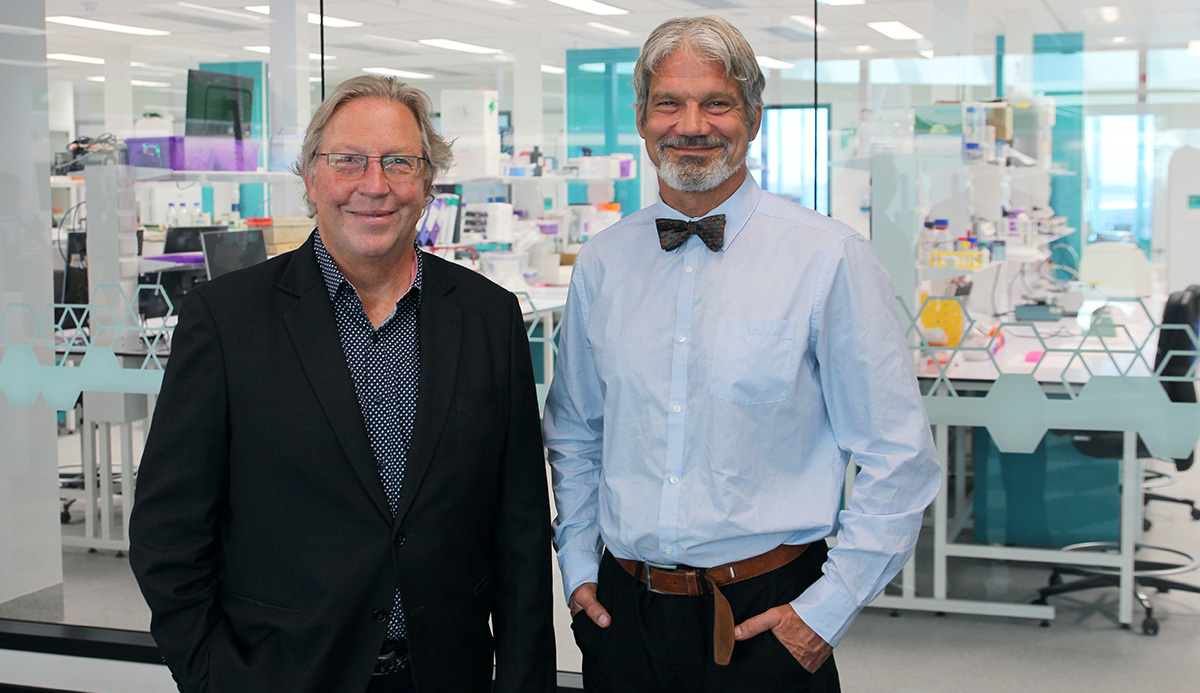
GoddardCommunications Specialist, Wal-yan Respiratory Research Centre Phone: 08 6319 1689 (office)
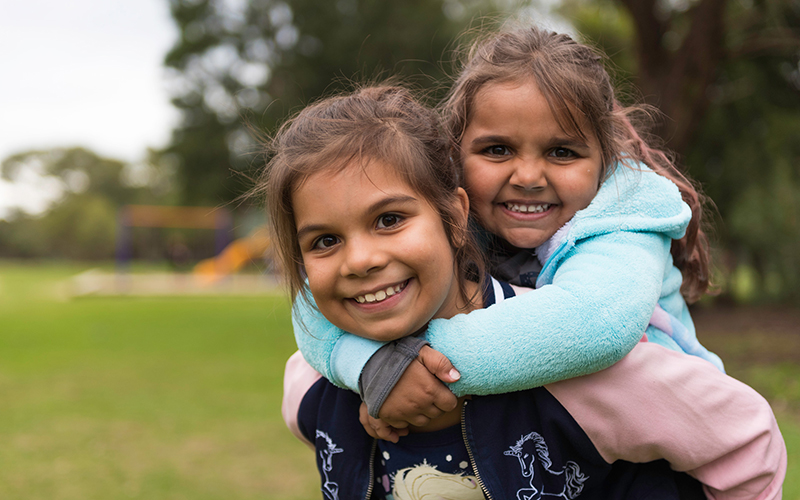
height="292" /> the benefits from Genomic Medicine for Aboriginal and Torres Strait Islander people, after winning ... will lead to direct and tangib…
Globally, ARF and RHD cause more than a quarter of a million deaths and substantial disability each year.
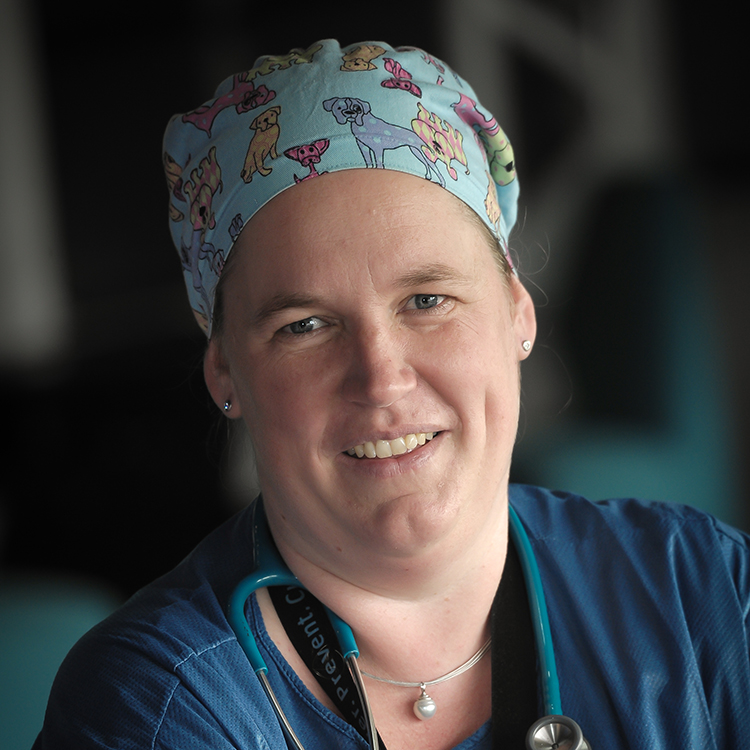
Chair of Paediatric anaesthesia, University of Western Australia; Consultant Paediatric Anaesthetist, Perth Children’s Hospital; Head, Perioperative…
HorvatCommunications Specialist, Wal-yan Respiratory Centre<a href="mailto:alex.horvat@thekids
Bowen is dedicated to ending skin disease for Aboriginal children throughout Australia. While working ... Territory, Associate Professor Bowen discov…
seven new research projects, focussed around respiratory health and diabetes. Telethon Institute ... expertise in these areas. "We know that respirat…
Researchers from the Wesfarmers Centre of Vaccines and Infectious Diseases, based at The Kids Research Institute Australia, are partnering with Down…
We describe recent "omic"-level findings, and examine how these findings have been systematically integrated to generate further insight
This chapter will discuss the structure of the airway highlighting the now broad number of cell types that comprise it