
Search
Showing results for "Childhood interstitial lung disease "
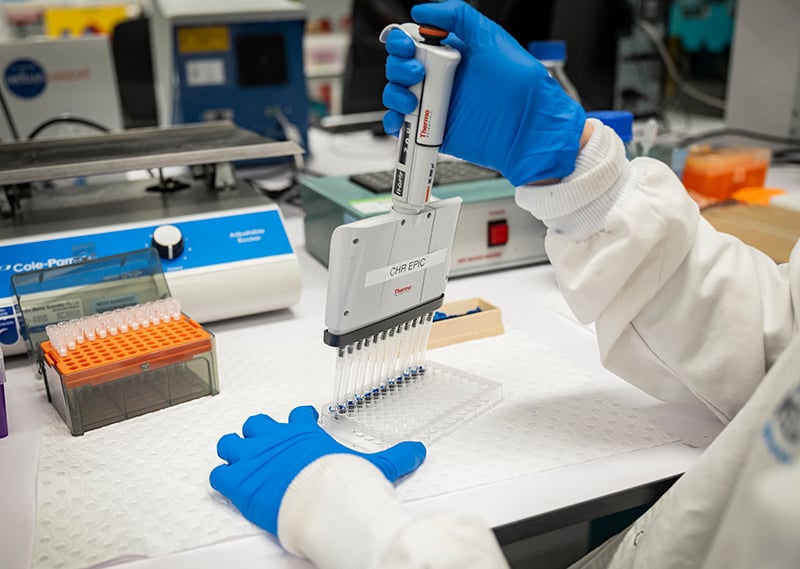
Researchers from The Kids Research Institute Australia have been awarded more than $11 million to support vital child health projects, under the Federal Government’s Medical Research Future Fund.
decreased serum IgG responses to NTHi outer membrane proteins may contribute to the development of chronic and severe OM in Australian Aboriginal children
We conducted an open randomized controlled trial in Papua New Guinea to compare safety, immunogenicity and priming for memory of 7-valent PCV (PCV7) given in...
Lung damage in children with CF occurs much earlier than previously thought, and proving this is related to the decline that occurs later will create new paradigms for prevention and treatment.
Graham Shannon Hall Simpson BAppSci PhD CRFS FANZSRS FThorSoc FERS BMedSci (hons), PhD Honorary Research Associate Head, Strong Beginnings Research,
Epidemiologic associations between viral lower respiratory infections (LRIs) and asthma in later childhood are well known
This project investigates how cells of the immune system respond to substances to cause allergies to help develop new treatments.
MEDIA ENQUIRIES Media Contacts About the Wal-yan Respiratory Research Centre Please direct general enquiries to our reception on (08) 6319 1000.
Elevated antimicrobial proteins and peptides and cytokines in middle ear effusion are a marker of inflammation and bacterial persistence
We aimed to explore whether newborns in high-risk areas have pre-existing pneumococcal-specific cellular immune responses that effects early acquisition.