

to reduce the burden of infectious diseases in Aboriginal Australian children, particularly skin infections ... the incidence of skin infections in K…
A better understanding of the innate immune responses by CF airway epithelial cells is needed to identify why viral infections are more severe in CF
Pulmonary inflammation in surveillance bronchoalveolar lavage has a cumulative effect on structural lung disease extent, more so than infection
common cause of runny noses, coughs and fever, respiratory syncytial virus (RSV) can lead to infections
In this study, we compared the physiological consequences of short-term exposure to diesel exhaust via inhalation to those due to exposure to the sam…
The Western Australian Influenza Vaccine Effectiveness study commenced in 2008 to evaluate a new program to provide free influenza vaccine to all ch…
This paper reports some of the findings from the Western Australian Influenza Vaccine Effectiveness Study, commenced in 2008, to evaluate a program p…
Airway relaxation in response to isoprenaline, sodium nitroprusside (SNP) and electrical field stimulation (EFS) was compared under static and dynami…
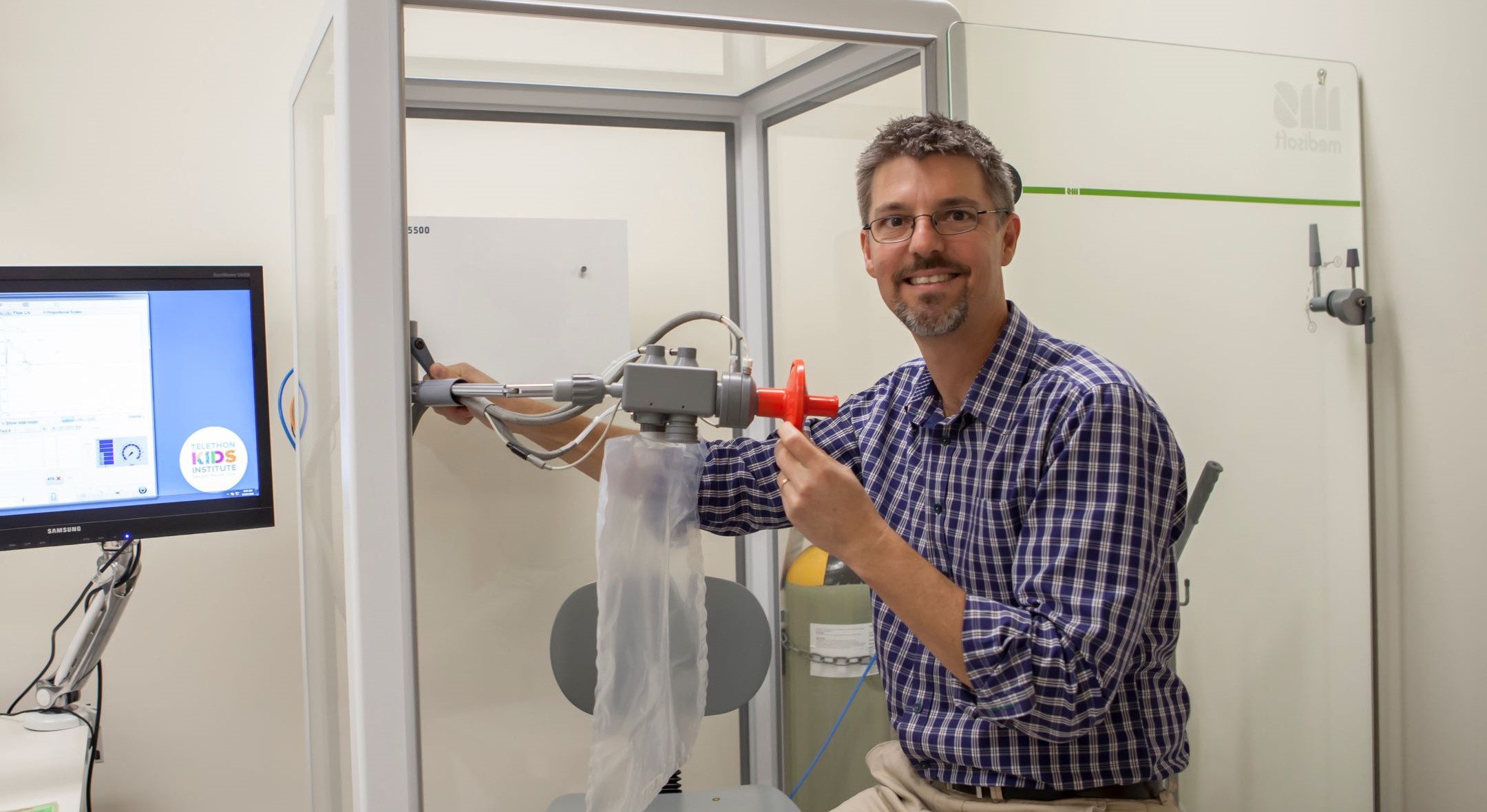
which make it possible for a greater number of respiratory healthcare professionals to better interpret
alt="stephen stick" width="229" height="344" />Perth respiratory paediatrician and cystic fibrosis (CF) researcher ... Professor Stick established an…