
Search
Showing results for "Childhood interstitial lung disease "
Right shift of the peripheral oxyhaemoglobin saturation (SpO2) versus inspired oxygen pressure (PIO2) curve is a sensitive marker of pulmonary gas exchange. The aim of this study was to assess the impact of prematurity and bronchopulmonary dysplasia (BPD) on gas exchange and right-to-left shunt in the neonatal period, and its evolution over the first year of life.
Our work has identified a clinically relevant host-derived factor that may participate in shaping early events in the aetiology of CF respiratory disease
This study aimed to investigate acamprosate and naltrexone dispensing patterns in Australia.
To assess the chemical composition of electronic cigarette liquids (e-liquids) sold in Australia, in both their fresh and aged forms. Design, setting: Gas chromatography–mass spectrometry analysis of commercial e-liquids sold in Australia (online and physical stores).
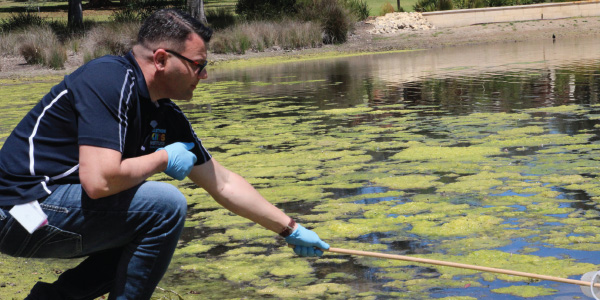
Cystic fibrosis (CF) researchers are working hard to progress phage therapy as an alternative treatment to antibiotics in people with CF who develop life-threatening lung infections.
In this review, we explore current knowledge and provide guidance as to when and how the inhaled route may be of value when treating patients whose tracheas are intubated

Elucidating the Interaction of CF Airway Epithelial Cells and Rhinovirus: Using the Host-Pathogen Relationship to Identify Future Therapeutic
This study suggests that broad-spectrum protection-of-pregnancy against infection-associated inflammatory stress represents an achievable therapeutic goal
One explanation for the high burden of allergic and autoimmune diseases in industrialized countries is inappropriate immune development under modern...
This genome-wide association study (GWAS) utilises data from the Western Australian Pregnancy Cohort (Raine) Study for 25-hydroxyvitamin D (25(OH)D) levels...