
Search
Showing results for "mental health aboriginal"
Access to adequate nutrition is a human right. In 2023, 23% of Australian households were severely food insecure, reducing food intake, skipping meals or days of eating. Food insecurity in early childhood is linked to poor health and development. Specifically, breakfast provides children with the necessary nutrients required for sustained attention, memory, and cognitive growth. Australian research has reported that one in three children aged 8–18 years regularly skip breakfast. However, there is little understanding of the prevalence of food insecurity among young children in Australia.
Maternal chronic illness is associated with an increased risk of poor developmental outcomes for children, particularly daughters
The Kids Research Institute Australia was awarded funding to establish a whole-of-state Centre of Linked Data Analytics and Social Policy.

Co-Head, Aboriginal Health and Wellbeing
There is a lack of evidence regarding the effect of dose, pattern and timing of prenatal alcohol exposure and behaviour problems in children aged 2 years.
Australian adults who are Not in Employment, Education or Training (NEET) represent a significant proportion of income support recipients, yet little is known about them.
The Opportunity We have a great opportunity for an enthusiastic individual with a breadth of technical skills to focus on the development of data
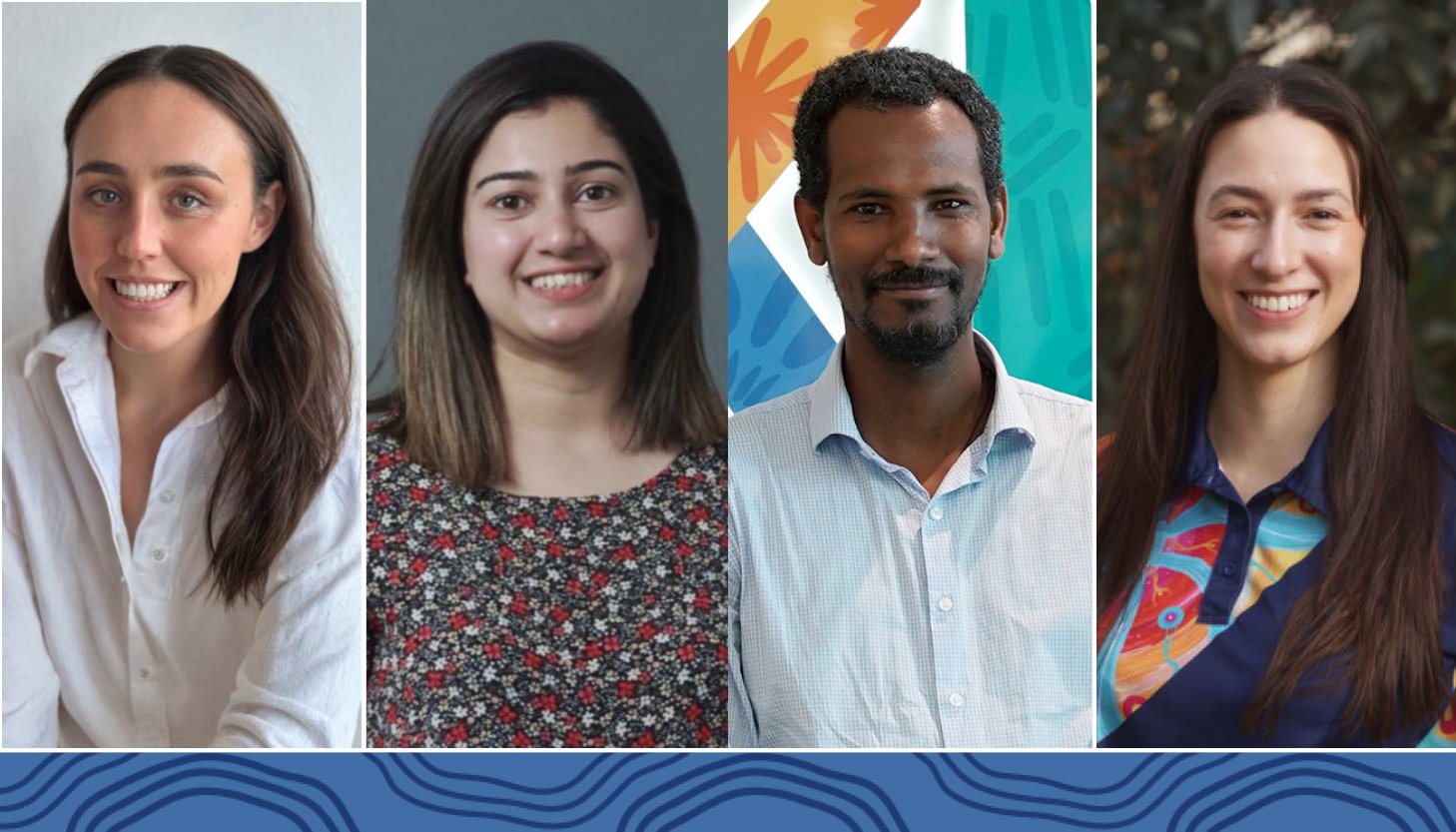
Congratulations to four outstanding early-career researchers from The Kids Research Institute Australia, who have been awarded BrightSpark Foundation fellowships and project funding for 2026.
Mental health problems are the most prevalent and expensive chronic condition affecting children.
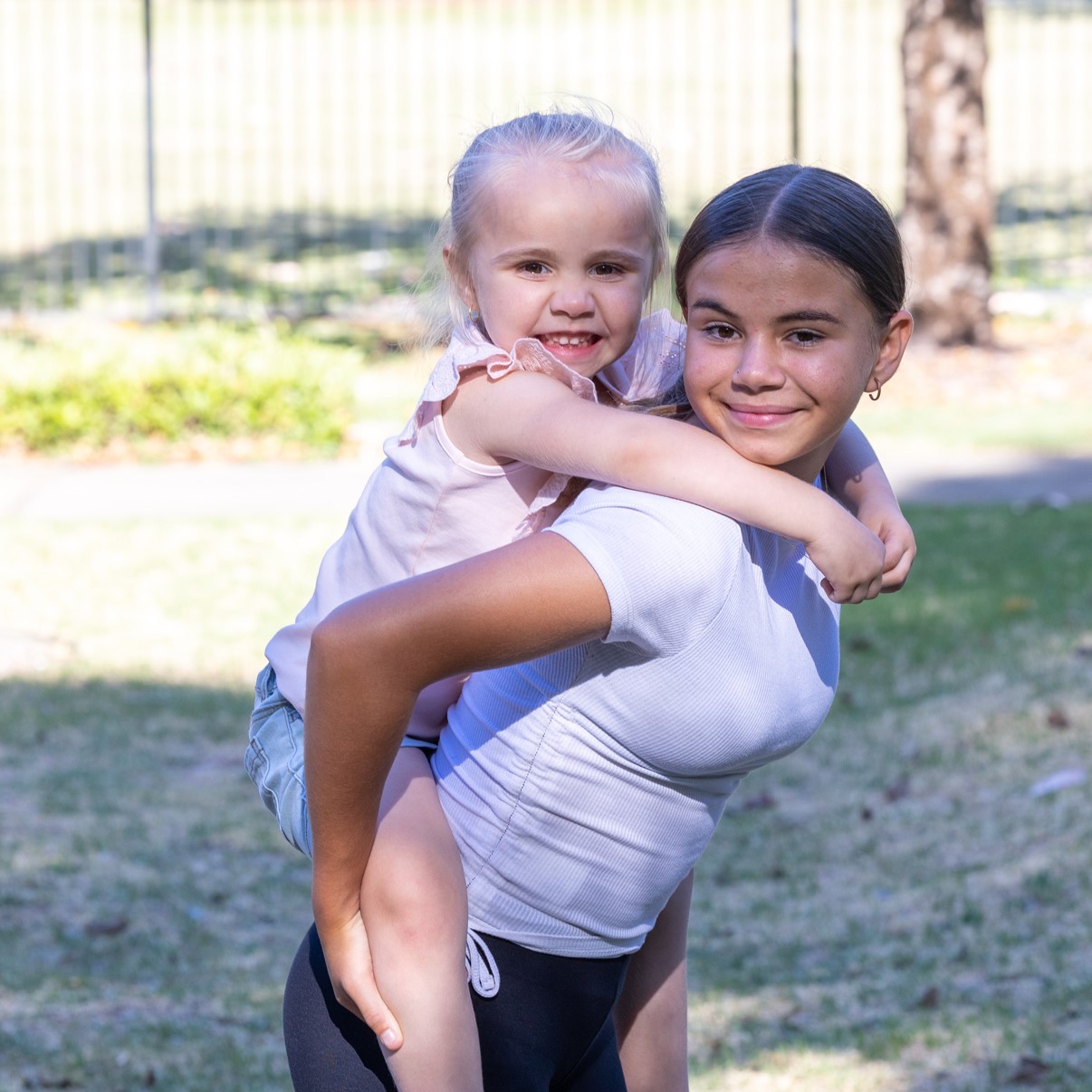
The Indigenous Genomics Group aims to build Indigenous leadership in genomic and data sciences, precision health, and ethics to improve health equity and the wellbeing of Indigenous people, families and communities.