
Search
Showing results for "mental health aboriginal"
As families increase their use of mobile touch screen devices (smartphones and tablet computers), there is potential for this use to influence parent-child interactions required to form a secure attachment during infancy, and thus future child developmental outcomes. Thirty families of infants (aged 9-15 months) were interviewed to explore how parents and infants use these devices, and how device use influenced parents' thoughts, feelings and behaviours towards their infant and other family interactions.

The Australian Strep A Vaccine Initiative (ASAVI) is an Australian-led global initiative with the goal of reducing the disease burden caused by Group A Streptococcus (Strep A) infection through effective vaccination.
To assess the scale of ethnic inequalities in severe maternal morbidity (SMM) rates and quantify the contribution of maternal characteristics to these disparities. This is a retrospective cohort study. A whole-of-population linked administrative data from 2002 to 2015 in Western Australia.
The objective of this review is to investigate First Nations populations' perceptions, knowledge, attitudes, beliefs, and myths about stillbirth.
Although children of convicted parents experience a higher incidence of sociodemographic risk, their parents' criminal activity constitutes an independent risk factor for their development
A healthy diet was consistently associated with higher academic performance
Children with ADHD are disadvantaged from an early age in key areas of learning, and this risk increased with reduction in gestational age at birth
Presenting features, biology and outcome for childhood leukaemia are known to vary by ethnic origin, geographic location and socioeconomic group. This study aimed to compare presentation patterns, follow-up and clinical outcomes in Indigenous and non-Indigenous children with acute leukaemia in Australia, and to assess the impact of remoteness and area-based socioeconomic disadvantage on outcome.
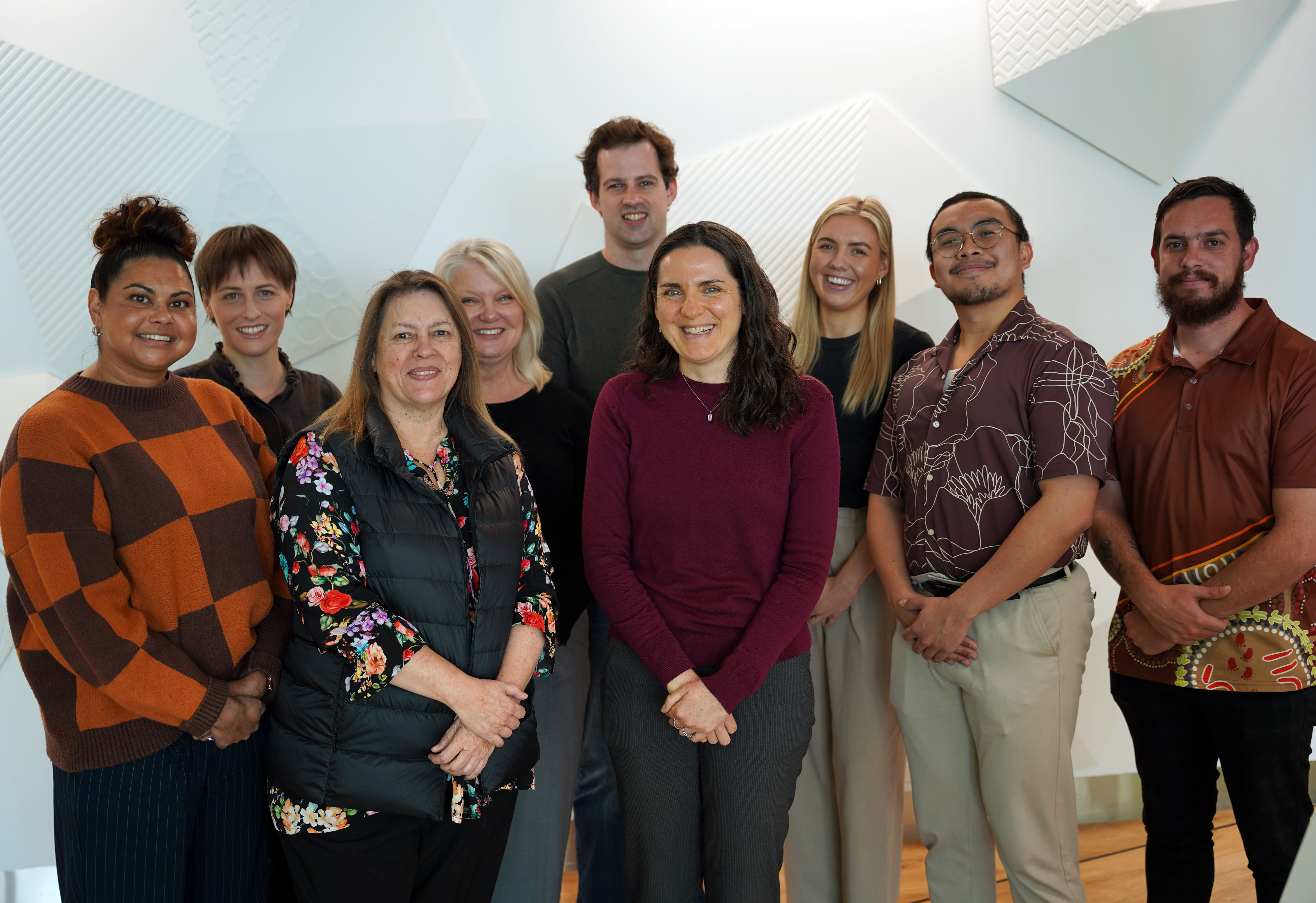
Embrace has appointed Professor of Clinical Psychology Jeneva Ohan as its new Co-Director alongside Professor Helen Milroy AM.
We suggest that 37 weeks' gestation may not be the optimal cutoff for defining perinatal risk as it applies to behavioural development.