
Search
Showing results for "Childhood interstitial lung disease "

Respiratory Syncytial Virus (RSV) is a year-round threat to the health of babies and young children, and one of the leading causes of infant hospitalisation in Australia. It is highly contagious and can cause anything from mild cold-like symptoms to severe lung infections such as bronchiolitis and pneumonia. For n
A phase 3 multi-centre randomized placebo-controlled study of azithromycin in the primary prevention of radiologically-defined bronchiectasis in infants with cystic fibrosis

Program Manager
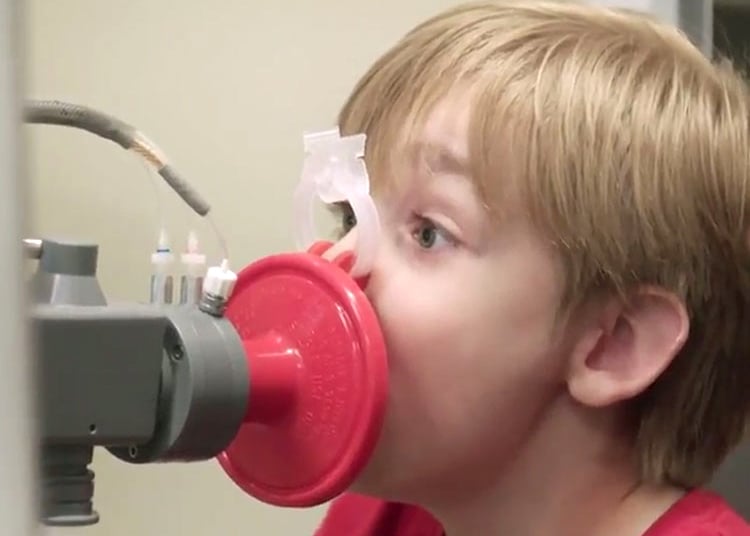
Information about cystic fibrosis awareness month and CF research at The Kids
the association between infant LRTI and risk for persistent wheeze/asthma in this cohort is generally stronger for fLRTIs than for other infection categories
Evidence into the role of TGF-β1 in airway epithelial repair in asthma is still controversial. This study tested the hypothesis that the reduced TGF-β1 levels previously observed in paediatric asthmatic airway epithelial cells directly contribute to the dysregulated repair seen in these cells.
Interleukin-10 is a key immunomodulatory cytokine the principal function of which is to limit the magnitude of immune response.
There is increasing evidence that the functional state of the immune system at birth is predictive of the kinetics of immune maturation in early infancy.
Atopy and asthma are commonly initiated during early life, and there is increasing interest in the development of preventive treatments for at-risk children.
Anti-viral innate immune responses may be impaired in asthma, although the mechanisms are not well understood.