
Search
Showing results for "preterm birth lungs"
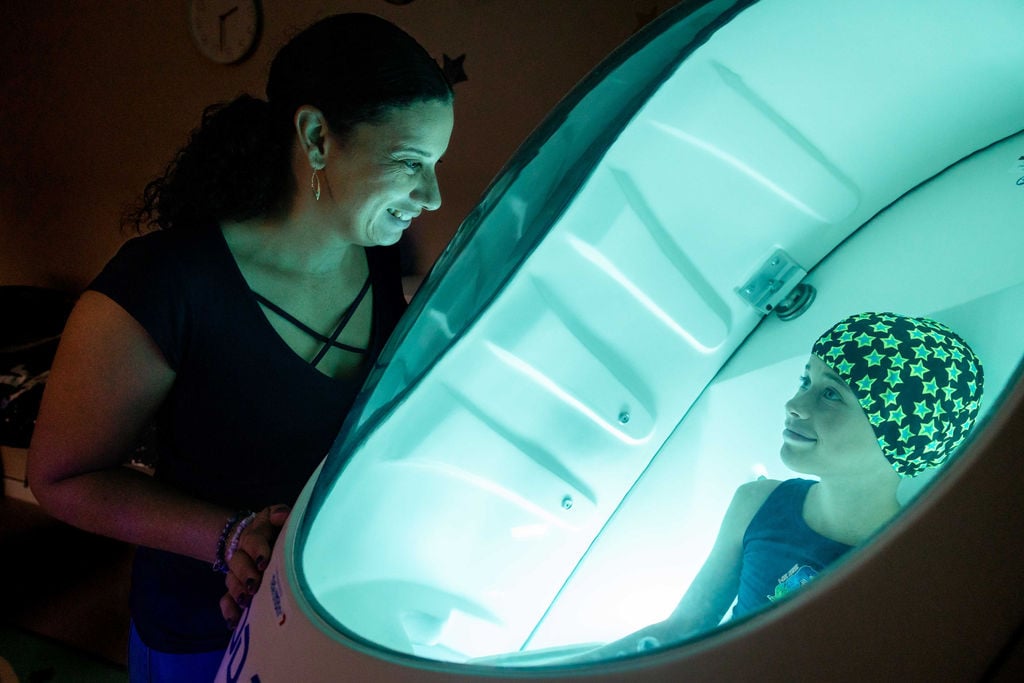
This research domain focuses on understanding how early biological and physical factors shape infant growth, body composition, and neurodevelopment from the earliest stages of life.
Children's development is dependent on a range of factors influencing their life course outcomes. Protective and challenging social and cultural determinants impact how Indigenous families support their children's developmental foundations. However, there is a lack of international evidence investigating Indigenous child development interventions.
The COVID-19 pandemic has impacted new mothers’ wellbeing and breastfeeding experience. Women have experienced changes in birth and postnatal care and restricted access to their support network. It is unclear how these impacts may have changed over time with shifting rates of infection and policies restricting movement and access to services in Australia and New Zealand.
Population-level studies of severe pertussis extending beyond infancy are sparse, and none in the context of antenatal vaccination. We compared hospitalized pertussis cases from birth to 15 years of age before and after introduction of antenatal immunization.
At the end of 2019 and into 2020, catastrophic fires in Australia consumed homes, lives, wildlife, and land. Just as the fires subsided, Australia, like the rest of the world, faced another emergency—the COVID-19 pandemic. It is instructive to reflect on lessons from the health disasters of the past year. Following publication of the Lancet Countdown on Health and Climate Change, the Medical Journal of Australia (MJA)–Lancet Australian Countdown was published in December, 2020. This annual report on health and climate change in Australia is in its third year and comprises the efforts of five Australian institutions, in collaboration with University College London, UK, facilitated by a partnership between The Lancet and the MJA.
This study used prospective birth cohort data to analyse the relationship between peer aggression at 14 years of age and educational and employment outcomes...
This commentary discusses the keys to empowering individuals & families to navigate the health, education, employment & social systems & to access relevant...
Otitis media (OM) starts within weeks of birth in almost all Indigenous infants living in remote areas of the Northern Territory (NT).
We aimed to investigate basal HPA-activity in a normal population in late adolescence, the time of life believed to overlap with HPA-axis maturation...
Antenatal testosterone exposure influences fetal neurodevelopment and gender-role behavior in postnatal life and may contribute to differences in...