
Search
Showing results for "preterm birth lungs"
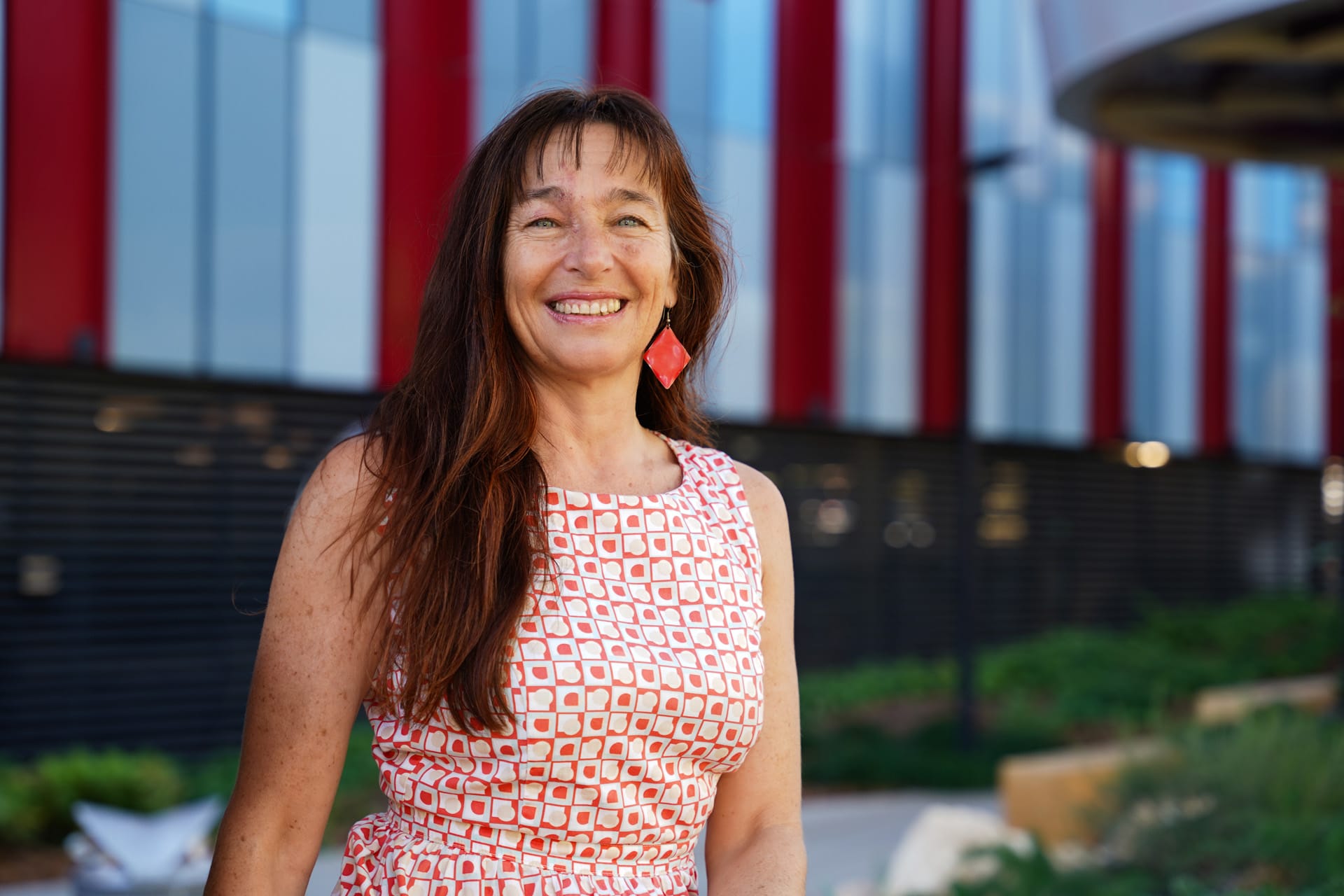
First-of-its-kind findings show that newborns exclusively fed colostrum in their first 72 hours of life were five times less likely to develop a peanut allergy by 12-18 months, and 11 times less likely to develop multiple food allergies (such as egg or cow’s milk) compared with infants who also received formula
Modern societies are challenged by "wicked problems" - by definition, those that are difficult to define, multi-casual and hard to treat.
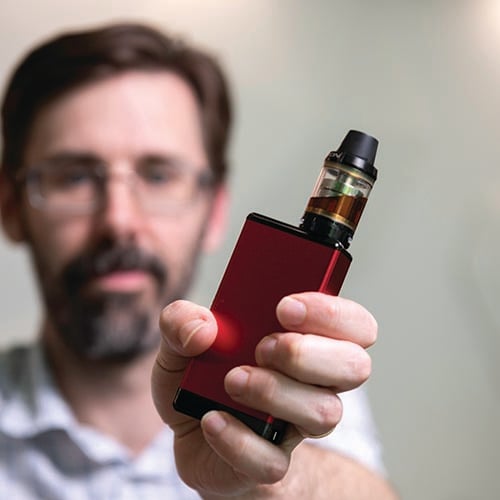
Research into the potential health impacts of vaping is starting to back up concerns that electronic cigarettes (e-cigarettes) are not as benign as many people think.
The ACE project is led by Dr Pamela Laird and aims to improve post-hospitalisation follow-up of Indigenous children hospitalised with acute lower respiratory tract infections.
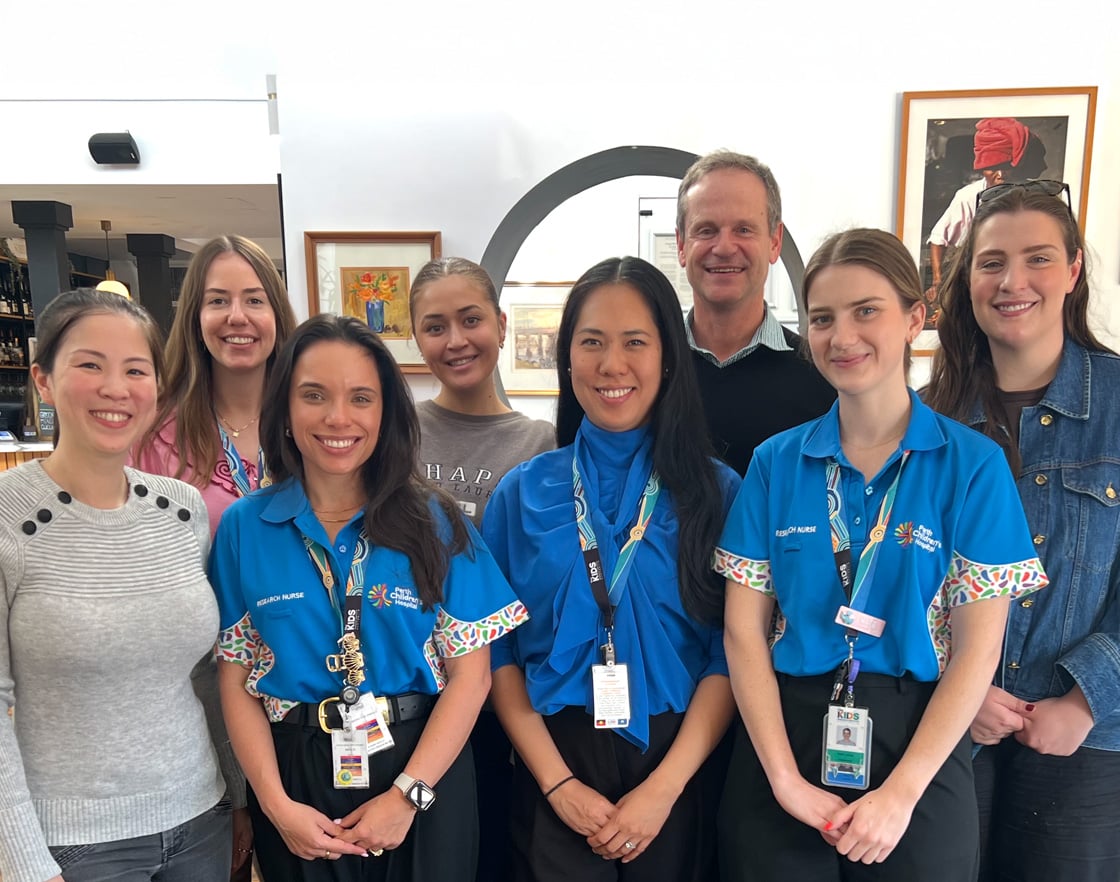
Our team aims to optimise lung health early in life to ensure the best possible health outcomes later in life.
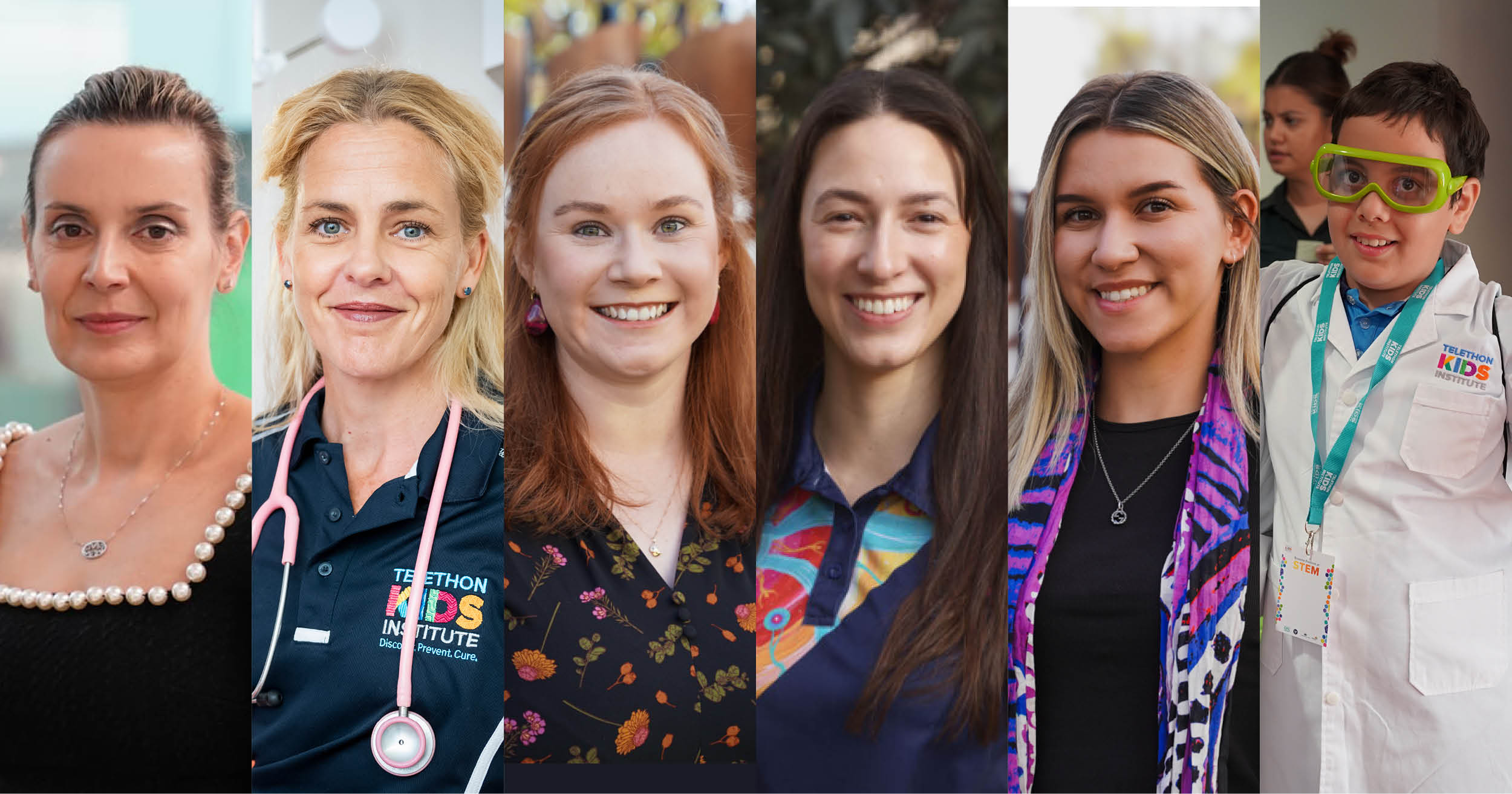
Five The Kids Research Institute Australia researchers and a popular Institute-led science festival for kids have been named as finalists in the 2024 Premier’s Science Awards.
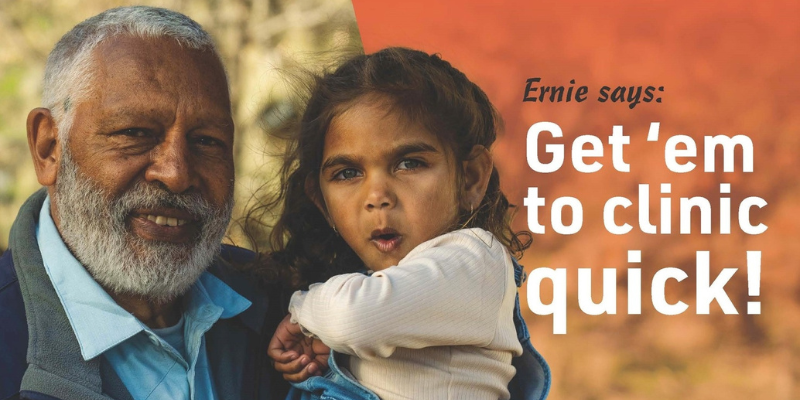
September marks the three-month milestone of an intensive health promotion campaign in the East Kimberley region, which aims to raise awareness of the dangers of a chronic wet cough in Aboriginal children.
In disease settings, vitamin D may be important for maintaining optimal lung epithelial integrity and suppressing inflammation, but less is known of its effects prior to disease onset.
We know from research that the risk of death from respiratory disease is 14 times higher for adults with cerebral palsy than for other adults. Respiratory disease is the most common cause of premature death in children and young people with cerebral palsy and one of the main causes of hospitalisation.
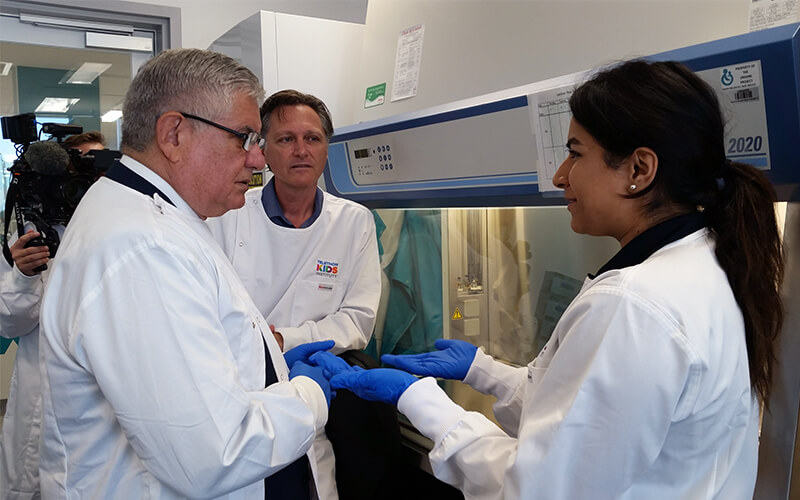
A vaccine to prevent rheumatic heart disease (RHD) and other life-threatening conditions caused by the common Strep A bacteria is a step closer thanks to funding announced by Minister for Indigenous Health, Hon Ken Wyatt AM, MP, in Perth today.