
Search
Showing results for "preterm birth lungs"
Maternal antenatal exposure to life stress events has differing effects on the school performance of male and female offspring.
A double-blind, placebo-controlled clinical trial was conducted investigating the use of low-dose oral interferon alpha for preventing acute viral...

For the first time this year, all Australian babies and children aged six months to four years will be entitled to have a free influenza vaccination.
Wheezing and asthma exacerbations are leading causes of pediatric hospital admissions. Predicting which children will experience persistent exacerbations remains challenging. Prior research has identified immune endotypes in the nasal epithelium of children with acute asthma and wheezing, characterized by varying balances of interferons and inflammatory markers. Notably, children exhibiting low interferon responses coupled with high inflammation are at an increased risk for recurrent respiratory exacerbations.
Siblings of individuals with neurodevelopmental conditions have unique experiences and sometimes additional challenges, especially in rural areas where there may be limited access to sibling-specific support services.
Bacteriophages (phages) are viruses that selectively kill bacteria and offer a promising option to address the growing global pandemic of antimicrobial-resistant infections. However, phage therapy does not easily align with traditional regulatory pathways designed for fixed-composition chemical drugs or biologics with fixed non-evolving compositions.

Congratulations to Dr Gail Alvares and Dr Rachel Foong, who have been awarded funding from the Raine Medical Research Foundation.
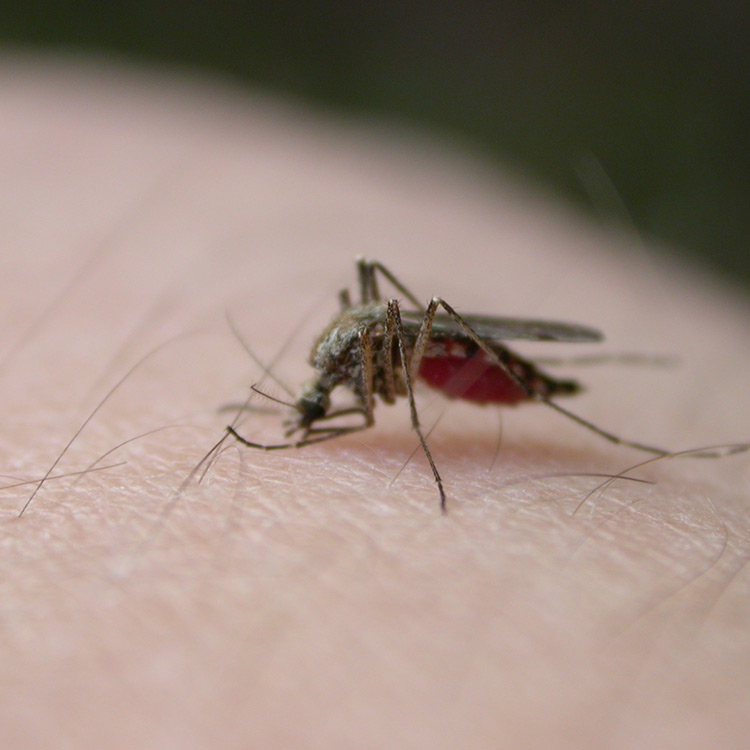
WA Researchers have conducted an Australian-first study to determine the prevalence of microcephaly, in preparation of any future outbreak of the Zika virus.
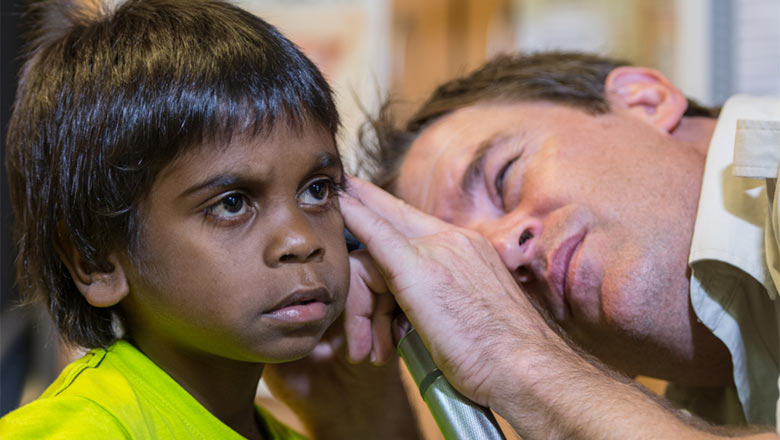
Australia's first national diagnostic tool for Fetal Alcohol Spectrum Disorder (FASD) has been developed by researchers at The Kids Research Institute Australia and the U

Early intervention in child development problems caused by alcohol use in pregnancy has been made possible by The Kids Research Institute Australia’s work