
Search
Showing results for "mental health aboriginal"
Young people must be central to health response design to ensure they are relevant and effective. It requires a clearer understanding of the opportunities and expectations surrounding youth engagement. Therefore, this study aims to gain a deeper understanding of the health priorities of young adults residing in South Australia and their engagement in the design of health programmes.
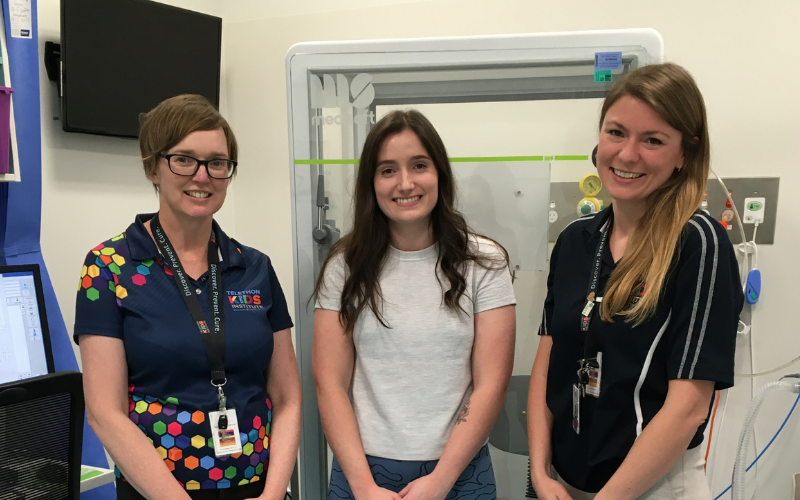
A study which set out to determine ways to predict the long-term lung health of young adults born very preterm has shown that a childhood history of respiratory hospital admission should be a key consideration in the management of preterm children and adults.
The Asia Pacific region is home to more than half of the world's 1·93 billion adolescents (aged 10-24 years). Addressing adolescent health in this region is of global importance, but to date a systematic analysis of key contributors to disease in adolescents has not been done, which is a barrier to responsive action.
Low vitamin D status and intake are prevalent among the Australian population, including Aboriginal and Torres Strait Islander peoples. We hypothesised that some traditional foods could contain vitamin D, and measured vitamin D in foods from Nyoongar Country, Western Australia. Samples of kangaroo, emu, squid/calamari and lobster/crayfish were collected and prepared by Aboriginal people using traditional and contemporary methods.

Submit an Expression of Interest to join the Embrace student application pool for future Internship opportunities.
Recruitment in research can be challenging in Australian Aboriginal contexts. We aimed to evaluate the SToP (See, Treat, Prevent skin infections) trial recruitment approach for Aboriginal families to identify barriers and facilitators and understand the utility of the visual resource used.
Asha Jacinta Bernadette Bowen Walton Ricciardo BA MBBS DCH FRACP PhD GAICD FAHMS OAM MBBS (hon) DCH FACD Head, Healthy Skin and ARF Prevention
Desiree Silva MBBS, FRACP, MPH, PhD Co-Director, ORIGINS desiree.silva@thekids.org.au Co-Head, The ORIGINS Project Professor Desiree Silva is
Probiotic supplementation in the neonatal period results in improved gut colonisation with probiotic bacteria in the short term. There is limited information on the long-term sustainability of this colonisation.

Communications Specialist