
Search
Showing results for "8"
Siblings of children with cancer have been shown to experience disruption in multiple domains including family, school, and friendships. Existing literature on siblings' experiences focuses on older children or on a broad range of ages.
Pseudomonas aeruginosa is an opportunistic pathogen. Here, we report the isolation of four bacteriophages from wastewater. All four bacteriophages belong to the Myoviridae family.
The functionality and effects of TLR7 and TLR8 polymorphisms on cellular and antibody responses was investigated after the first measles vaccine dose.
Characterization of the complete IgE binding spectrum of cat allergens is important for the development of improved diagnosis and effective immunotherapeutics.
Contact us If you have any questions about getting started, please contact our giving team. We're happy to help! +61 8 6319 1333 giving@thekids.org.au
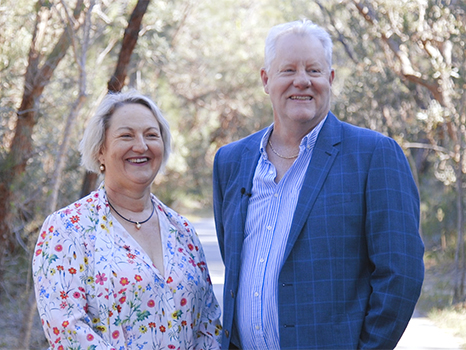
‘Tis the season of giving. Unconditional giving means you directly power all our research to help more kids live happier, healthier lives.
To examine the strength and direction of the relationship between physical activity level, screen use and BMI in a cohort at ages 6, 8, 10 and 14 yrs as part...
To evaluate the safety and immunogenicity of V114 [15-valent pneumococcal conjugate vaccine (PCV) containing serotypes 1, 3, 4, 5, 6A, 6B, 7F, 9 V, 14, 18C, 19A, 19F, 22F, 23F, 33F], followed by 23-valent pneumococcal polysaccharide vaccine (PPSV23) 8 weeks later, in children with HIV.
Citation: Libman I, Haynes A, Lyons S, Pradeep P, Rwagasor E, et al. ISPAD Clinical Practice Consensus Guidelines 2022: Definition, epidemiology, and
Our Searchable online database allows you to create graphs like the one below.