
Search
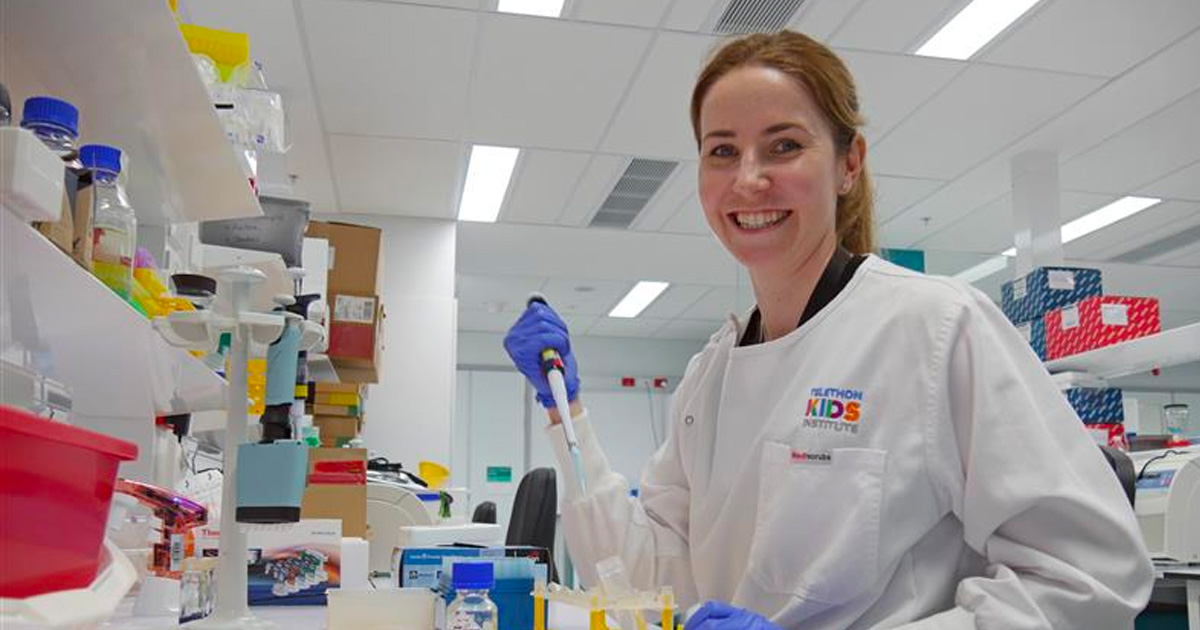
WA researchers hope to gain new insights into the way immune cells in the body trigger attacks of multiple sclerosis (MS), thanks to new funding from MS Australia.
Respiratory syncytial virus contributes to significant global infant morbidity and mortality. We applied a previously developed statistical prediction model incorporating pre-pandemic RSV testing data and hospital admission data to estimate infant RSV-hospitalizations by birth month and prematurity, focused on infants aged <1 year.
Rhinoviruses (RVs) can cause severe wheezing illnesses in young children and patients with asthma. Vaccine development has been hampered by the multitude of RV types with little information about cross-neutralization. We previously showed that neutralizing antibody (nAb) responses to RV-C are detected twofold to threefold more often than those to RV-A throughout childhood. Based on those findings, we hypothesized that RV-C infections are more likely to induce either cross-neutralizing or longer-lasting antibody responses compared with RV-A infections.
Immunomodulatory proteins in human milk (HM) can shape infant immune development. However, strategies to modulate their levels are currently unknown. This study investigated whether maternal prebiotic supplementation alters the levels of immunomodulatory proteins in HM.
A retrospective study will review episodes of anaphylaxis during bee venom immunotherapy in children, any modifications made to the dosing schedule, and the subsequent outcomes over a nine-year period in Western Australia.
Childhood infection might be associated with adverse child development and neurocognitive outcomes, but the results have been inconsistent.
In an era of expanding indications for iatrogenic immunosuppression, invasive fungal disease (IFD) remains a significant challenge in immunocompromised children, with case fatality rates ranging from 10 to 70%. Understanding of current recommendations and recent evidence is essential to guide optimal IFD management.
There are well-described sex-based differences in how the immune system operates. In particular, cisgender (cis) females have a more easily activated immune system; associated with an increased prevalence of autoimmune diseases and adverse events following vaccinations. Conversely, cis males have a higher threshold for immune activation, and are more prone to certain infectious diseases, such as coronavirus disease (COVID-19).
Influenza vaccination of children with medical comorbidities is critical due their increased risks for severe influenza disease. In Australia, hospitals are an avenue for influenza vaccine delivery to children with comorbidities but are not always effectively utilised. Qualitative enquiry sought to ascertainment the barriers and enablers for influenza vaccination recommendation, delivery, and recording of these children at Australian hospitals.

Two The Kids Research Institute Australia researchers have been awarded prestigious grants from the Raine Medical Research Foundation for projects in childhood cancer and newborn infection control.