
Search
Showing results for "mental health aboriginal"
Penelope Strauss BA, MPH, PhD Research Fellow in Youth Suicide Prevention 08 6319 1297 Penelope.strauss@thekids.org.au Research Fellow in Youth
To describe the prevalence of eating disorder symptoms among adolescents seeking gender-affirming care.
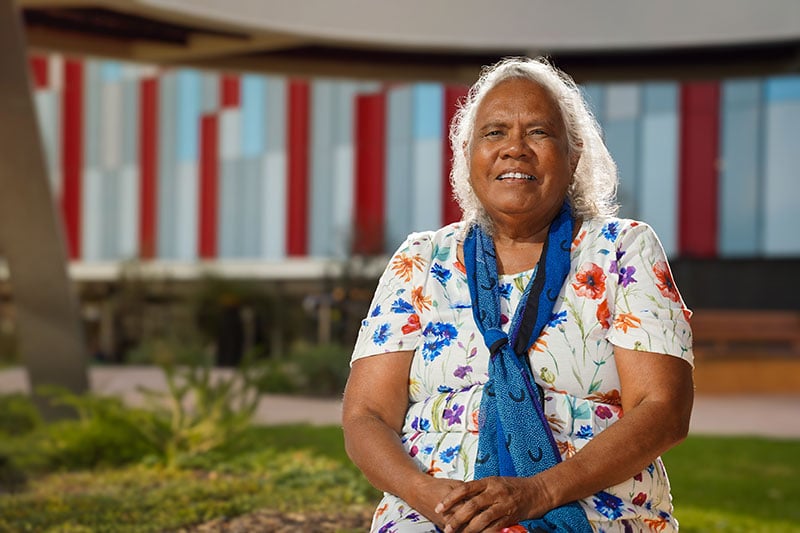
Dr Mara West
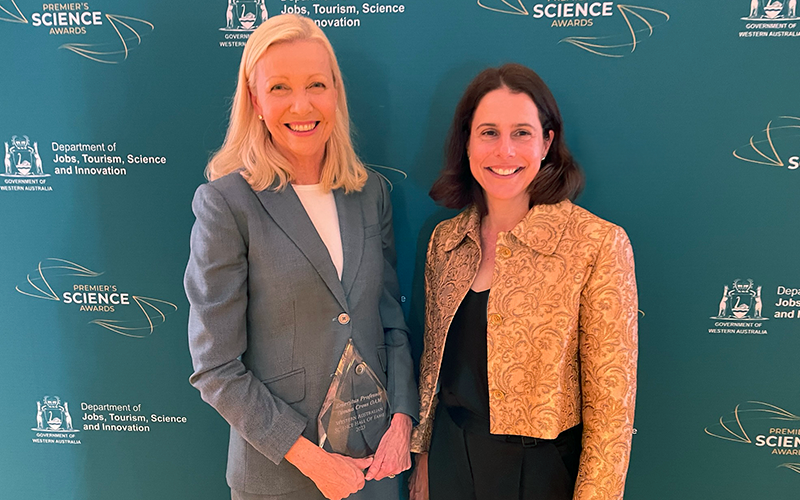
Pioneering anti-bullying researcher Emeritus Professor Donna Cross OAM was last night announced as the latest inductee into the WA Science Hall of Fame.
A risk prediction model allows early identification of children at greatest risk of developing complicated osteomyelitis
Intussusception is associated with non-enteric adenovirus infections, and Enterovirus B infections
Our objective was to develop a method that could be applied in a longitudinal cohort study to account for attrition bias in an investigation of exclusive...
A double-blind, placebo-controlled clinical trial was conducted investigating the use of low-dose oral interferon alpha for preventing acute viral...
The Opportunity This is an exciting opportunity to develop your career whilst being a part of developing important health promotion messages. This is
Measures of autistic traits are only useful – for pre-diagnostic screening, exploring individual differences, and gaining personal insight – if they efficiently and accurately assess autism as currently conceptualised while maintaining psychometric validity across different demographic groups. We recruited 1322 autistic and 1279 non-autistic adults who varied in autism status (non-autistic, diagnosed autistic, self-identifying autistic) and gender (cisgender men, cisgender women, gender diverse) to assess the psychometric properties of the Comprehensive Autistic Trait Inventory, a recently developed measure of autistic traits that examines six trait domains using 42 self-report statements.