
Search
Showing results for "preterm birth lungs"
Congenital cytomegalovirus (cCMV) is a common infection at birth with the potential to cause significant and permanent morbidity, most commonly hearing loss. Targeted cCMV testing programmes use hearing loss as an indicator of an infant being at high risk of the infection and thereby can 'target' or focus testing on those at greatest risk. Australian and International guidelines recommend that high-risk infants be offered cCMV testing, yet across Australia, a formal testing system does not exist.
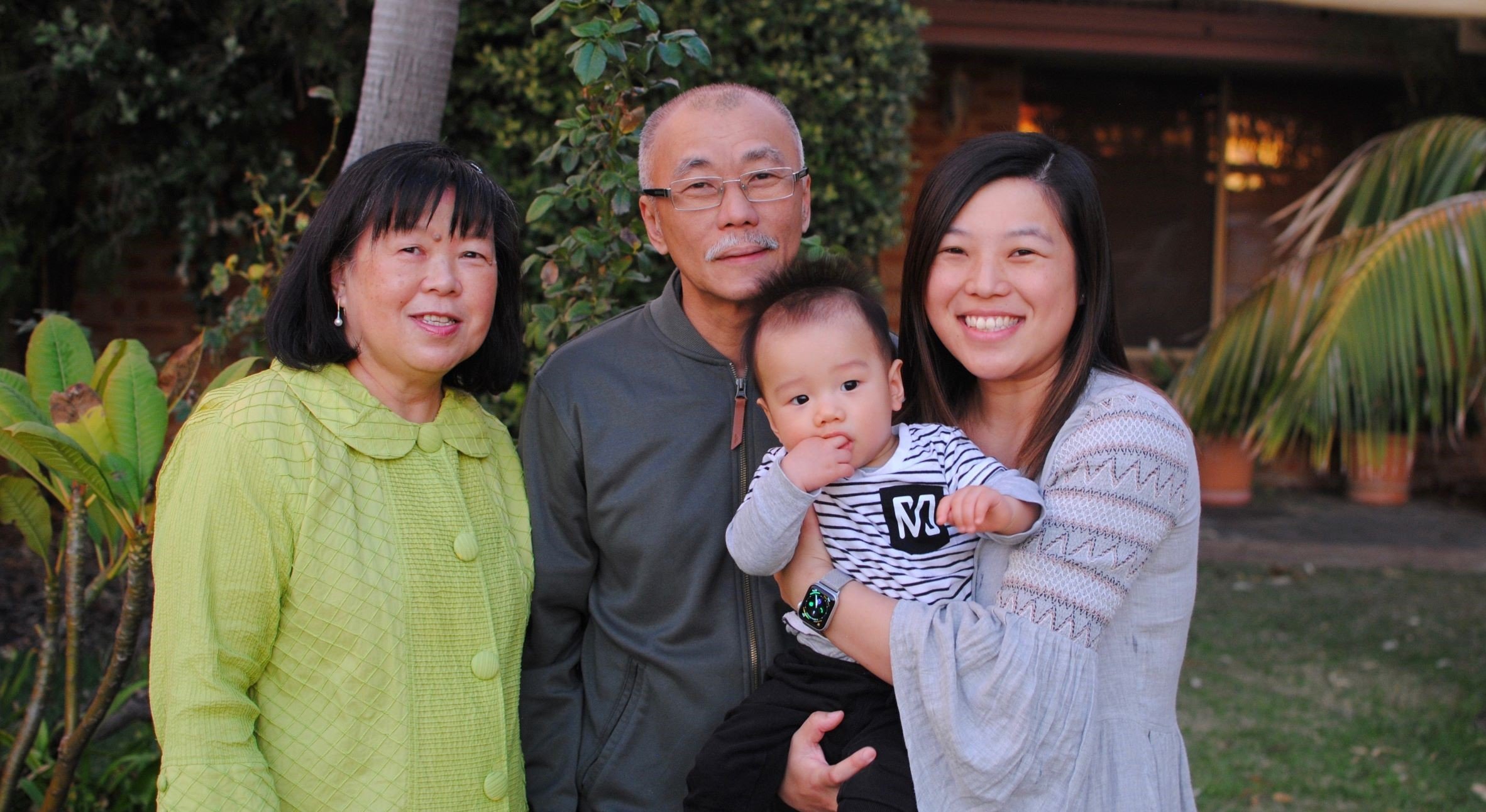
Between 1989 and 1991, almost 3,000 WA babies were recruited to the Raine Study - an ambitious research project which would yield a series of paradigm-shifting findings that changed scientific thinking. Three decades on, it has also changed the lives of those taking part.
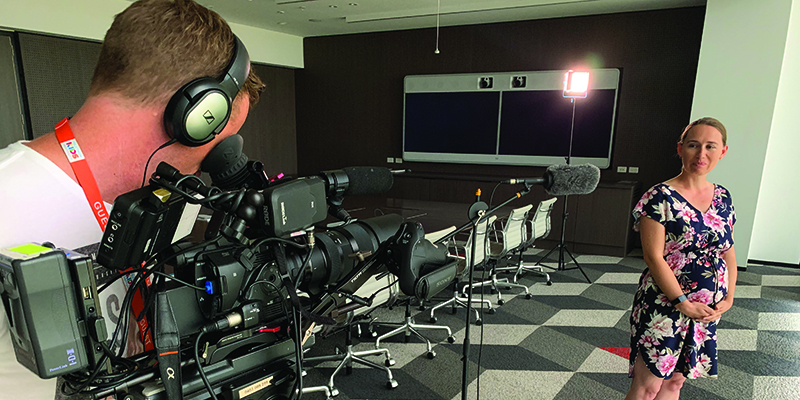
A screening tool to help midwives and other health professionals contribute to the prevention of FASD is changing maternity practice across WA public hospitals.

Three outstanding The Kids Research Institute Australia researchers have been named finalists in the 2016 Premier's Science Awards

Pregnancy brings with it some level of risk. There is no getting around that. Of course, women want to do the best for their baby, but there is a risk.
Breastfeeding has been associated with multiple developmental advantages for the infant; however, there have also been a number of studies that find...
To examine the association of fetal alcohol exposure during pregnancy with child and adolescent behavioural development.
Few studies have examined the dietary patterns of adolescents and the social and environmental factors that may affect them during this life stage.
The similarities in risk factors and in the adjusted rates of victimisation-related injury admission in both countries suggest that the VR cluster of ICD-10...
Elucidating the underlying nature of the disorder(s) is a crucial step towards tailoring intervention to the biological and cognitive makeup of each individual.