
Search
Showing results for "preterm birth lungs"
This study identified possible antecedents of teenage pregnancy using linked data from administrative sources to create a 14-year follow-up from a cross-sect...
Early onset Non-Communicable Diseases (NCDs), including obesity, allergies, and mental ill-health in childhood, present a serious and increasing threat to lifelong health and longevity. The ORIGINS Project (ORIGINS) addresses the urgent need for multidisciplinary efforts to understand the detrimental multisystem impacts of modern environments using well-curated large-scale longitudinal biological sample collections.
There is a recognized unmet need for clinical trials to provide evidence-informed care for infants, children and adolescents. This Special Communication outlines the capacity of 3 distinct trial design strategies, sequential, parallel, and a unified adult-pediatric bayesian adaptive design, to incorporate children into clinical trials and transform this current state of evidence inequity. A unified adult-pediatric whole-of-life clinical trial is demonstrated through the Staphylococcus aureus Network Adaptive Platform (SNAP) trial.
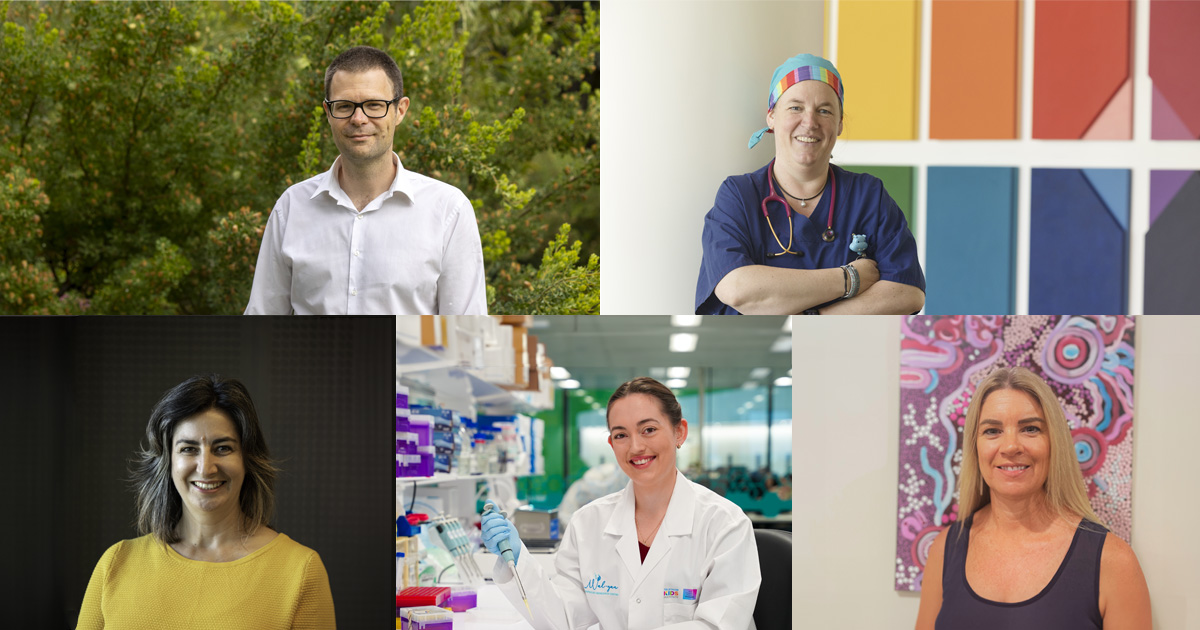
Five The Kids Research Institute Australia researchers working across diverse and highly impactful areas of child health research have been named as finalists for the 2023 Premier’s Science Awards.
Australian Aboriginal and/or Torres Strait Islander children in rural/remote areas suffer high rates of persistent otitis media (OM) from early infancy. We aimed to determine the proportion of Aboriginal infants living in an urban area who have OM and investigate associated risk factors.
ORIGINS is a new birth cohort study, collecting detailed information about the early environment's influence on a broad range of non-communicable diseases
Rebecca Fiona Carrington Glauert Stanley Shepherd BPsych (Hons) PhD FAA FASSA MSc MD FFPHM FAFPHM FRACP FRANZCOG HonDSc HonDUniv HonFRACGP HonMD
An international team of researchers has pioneered a technique which gives unprecedented insight into the dramatic changes occurring in a baby’s body in the first week of life.
The skin is home to an array of bacteria, fungi and viruses, which together make up the skin microbiome. We explore how the skin microbiome can contribute to healthy skin.
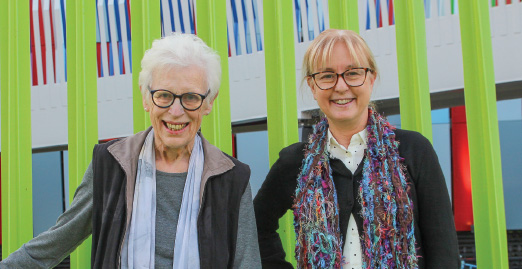
The Kids Research Institute Australia is helping scientists across the globe inch their way towards clinical trials which could, at last, provide relief for children and families dealing with CDKL5.