
Search
Showing results for "Childhood interstitial lung disease "
Without a booster dose, the effectiveness of 3 doses waned more rapidly from 2 to 4 years of age than previously documented for children >6 years of age who...
In 2010, a large outbreak of rotavirus gastroenteritis occurred in the Alice Springs region of the Northern Territory, Australia.
Tom Snelling BMBS DTMH GDipClinEpid PhD FRACP Head, Infectious Disease Implementation Research 08 6319 1817 tom.snelling@thekids.org.au Head,
Tom Snelling BMBS DTMH GDipClinEpid PhD FRACP Head, Infectious Disease Implementation Research 08 6319 1817 tom.snelling@thekids.org.au Head,
The proposed study intends to explore parental experiences, including coping, related to their child's involvement in the early surveillance program.
The Opportunity We are seeking a motivated Research Coordinator to coordinate clinical research studies being undertakne by the AREST CF team. The
AMR is a rapidly growing challenge and has been identified as one of the World Health Organizations top 10 global health threats, with the potential to undo many of the health gains observed over the last century.
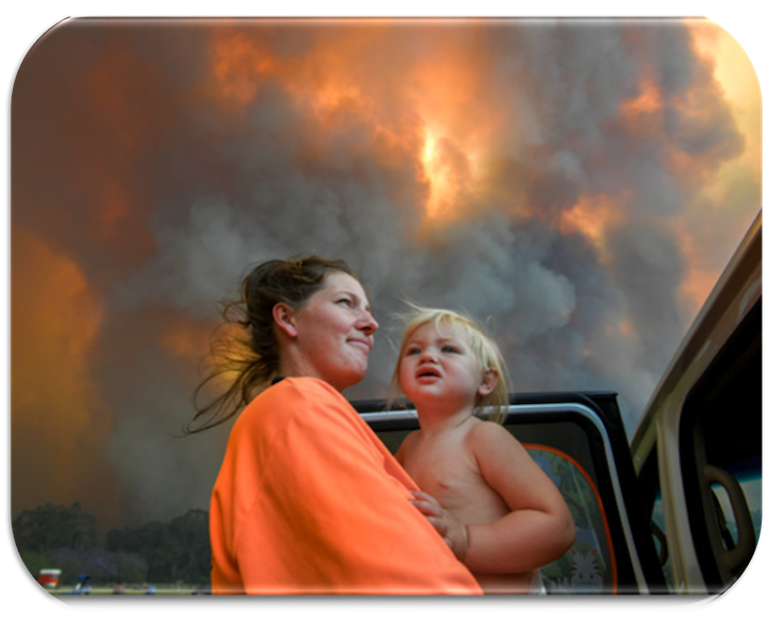
The greatest threat to children’s health in the future is environmental change, including climate change. The Future Child Health project aims to quantify how current and future environmental changes affect child health.
Streptococcus A is a bacterium often found in the throat and on the skin.
Jennifer Peter Kent Richmond RN MBBS MRCP(UK) FRACP Clinical Research Manager Head, Vaccine Trials Group Jennifer.Kent@thekids.org.au Clinical