
Search

A new study looking at the receptive language development of young children has highlighted the need to monitor kids over time to ensure they don't fall behind.

Research from The Kids Research Institute Australia shows that a short time interval between pregnancies may be less of a risk factor for preterm birth and low birth weight

A new study has found that having a friend with good social skills and a supportive family may make a critical difference to the resilience of Aboriginal youth

Pregnancy brings with it some level of risk. There is no getting around that. Of course, women want to do the best for their baby, but there is a risk.

Free public seminar - we will be discussing how neighbourhoods provide opportunities (or barriers) for kids' play, physical activity, health and development.

New research from The Kids Research Institute Australia has revealed that children and youth treated for Attention Deficit Hyperactive Disorder (ADHD) are more likely

The results from two new The Kids Research Institute Australia studies on Attention Deficit Hyperactivity Disorder (ADHD) show an association between the condition
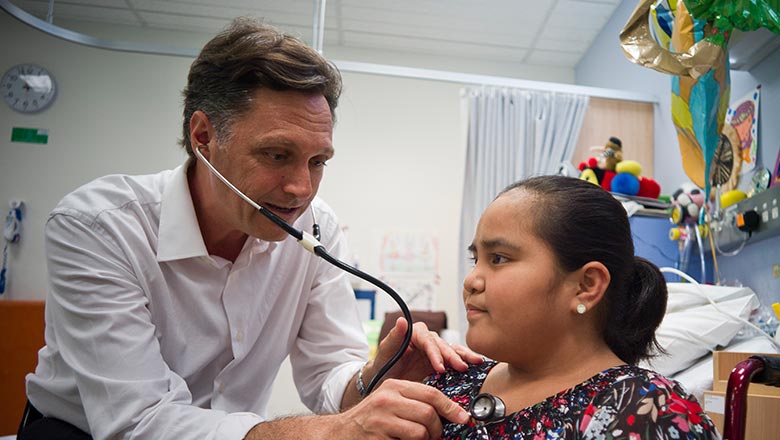
Researchers at The Kids Research Institute Australia have begun a comprehensive research project into vaccines aimed at tackling rheumatic fever.

Researchers from Perth's The Kids Research Institute Australia have been part of an international study that has found that genetic factors contribute to the development of l
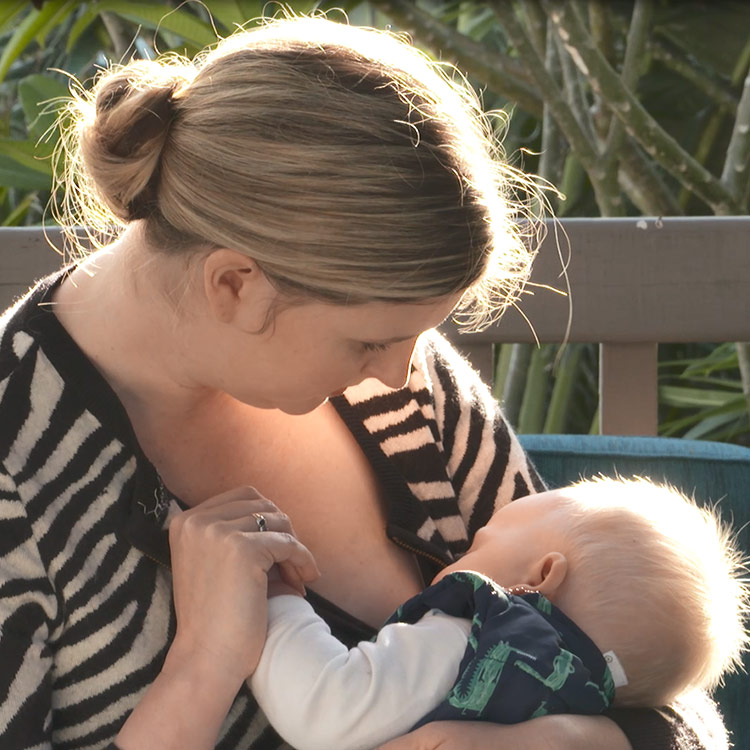
The Kids Research Institute Australia has shown that stopping breastfeeding and introducing formula milk before babies reach six months of age is linked to an obesity risk.