
Search
Showing results for "Childhood interstitial lung disease "
The monoclonal antibody, palivizumab is licensed for use in high-risk infants to prevent severe illness caused by respiratory syncytial virus (RSV). The level of its use and compliance with current jurisdictional guidelines which were amended in 2010, is unknown.
Palivizumab appeared effective for reducing virologically confirmed respiratory syncytial virus in this high-risk cohort
Medulloblastoma is a highly malignant small round blue cell tumor of the posterior fossa
Otitis media (OM) is a common childhood disease characterised by middle ear inflammation following infection
By directly engaging with women diagnosed with ovarian cancer, this study aimed to explore and identify their view of the health symptoms and outcomes that matter most to them as they traverse their disease pathway.
New research from Perth's The Kids for Child Health Research shows that a Western diet is associated with an increased risk of liver disease in teenag
The BEACHES project aims to provide high quality evidence of aspects of the built environment which can be modified to reduce the negative impact on children’s physical activity, eating behaviours and weight status.

Patron
Developmental and epileptic encephalopathies (DEE) are rare, often monogenic neurodevelopmental conditions. Most affected individuals have refractory seizures. All have multiple severe impairments which can be as life-limiting as or more limiting than the seizures themselves. Mechanism- and gene-targeted therapies for these individually rare, genetic conditions hold hope for treatment, amelioration of disease expression, and even cure.
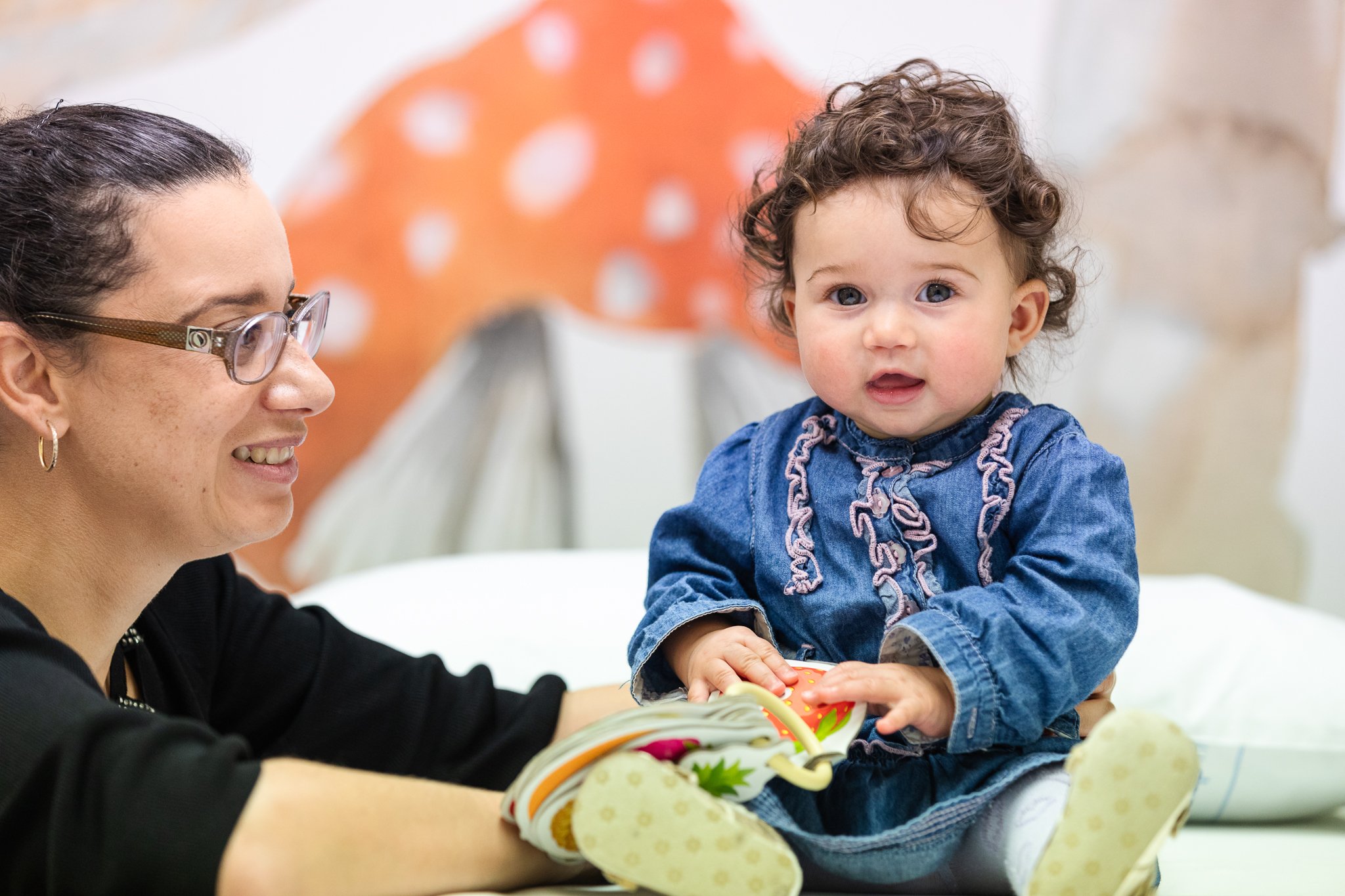
RHINO researchers from The Kids' Wal-yan Respiratory Research Centre, will analyse ORIGINS data and turn it into meaningful respiratory and allergy outcome data that can be used by researchers around the world.