
Search
Showing results for "preterm birth lungs"
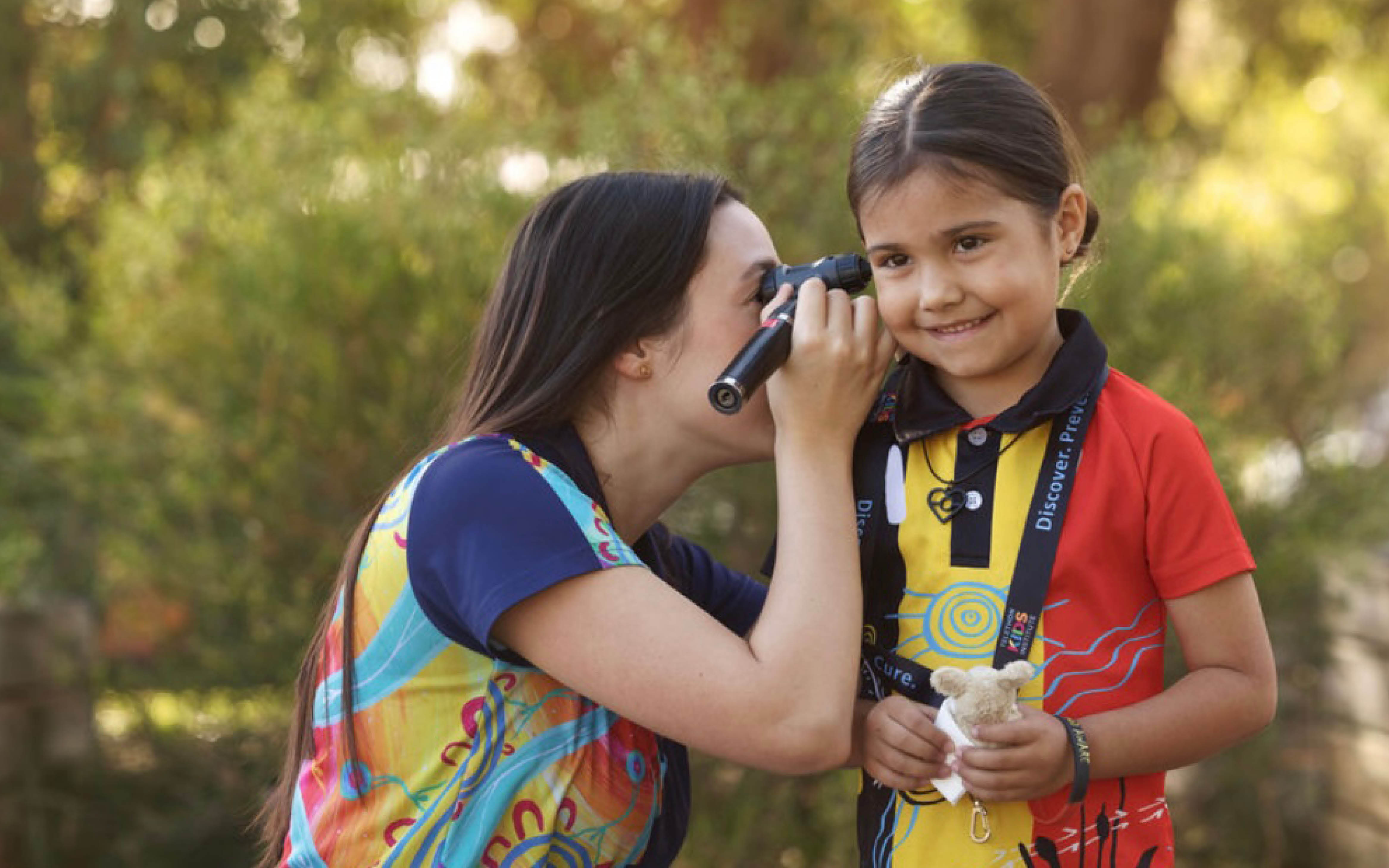
The Ear and Hearing Health team's vision is all children start primary school with good hearing.
CONNECT-CP aims to diagnose cerebral palsy (CP) earlier and ensure all children in Western Australia (WA) have access to early assessment and support.
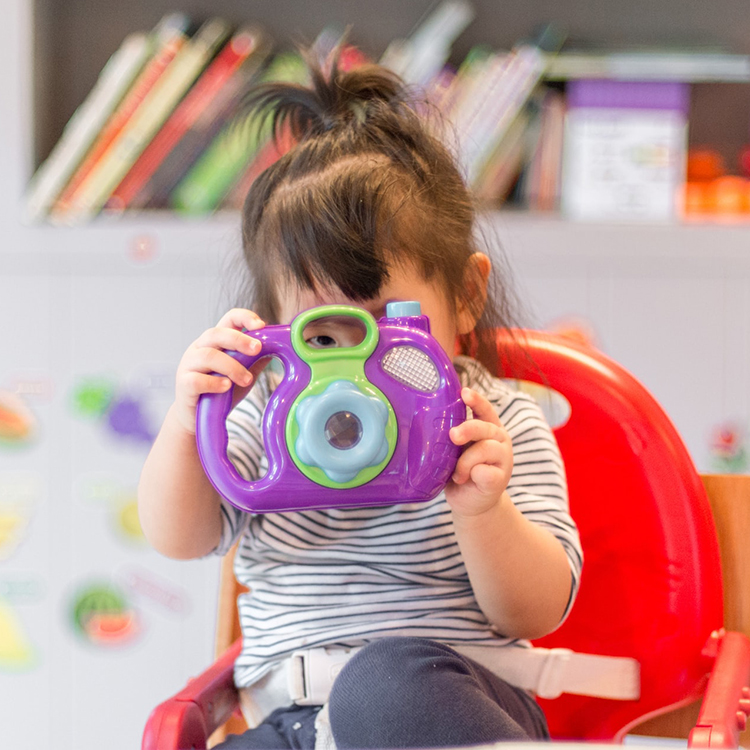
Kids Rehab WA is an integrated team of clinicians and researchers who deliver and research therapies for children with acquired or congenital neurological impairments, leading to improved outcomes for children and their families.
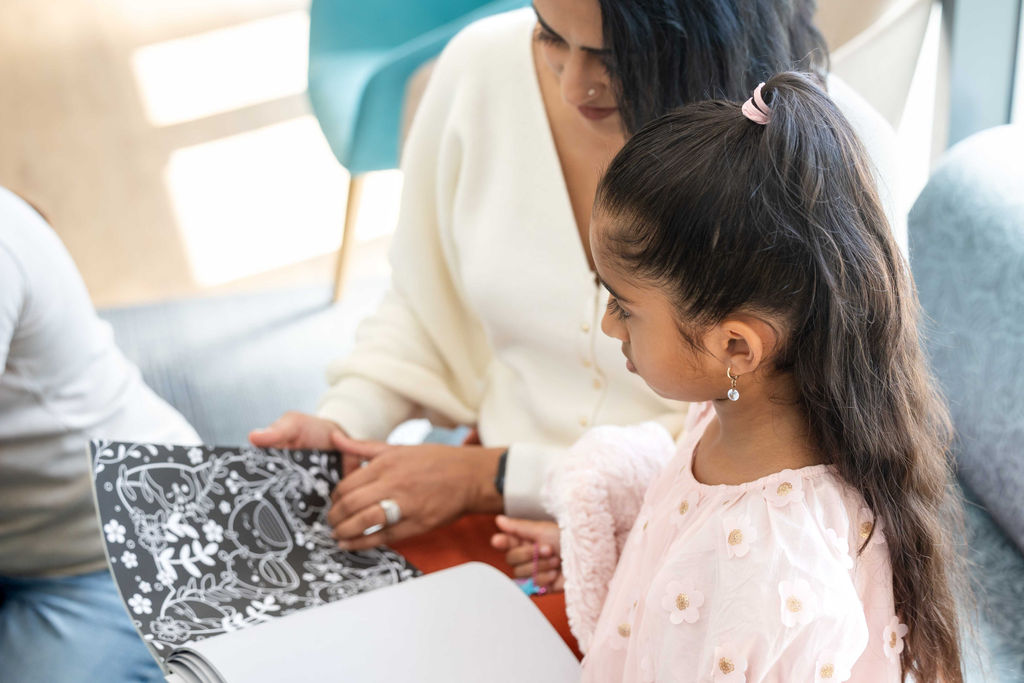
ORIGINS sub-projects are investigating the best way to provide support to new parents and positively influence the health and development of their children.
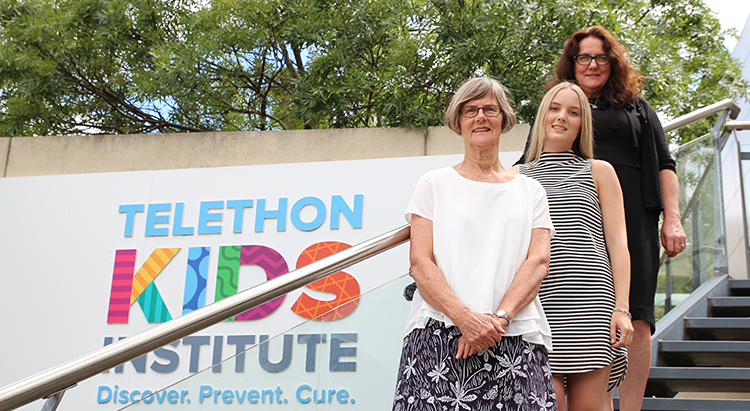
A ground-breaking The Kids Research Institute Australia study, which revealed that almost every young person being held in the Banksia Hill Detention Centre had some form of neuro-disability, has sparked concern and conversation across Australia and the world.
Scientific Launch Speakers Professor Liz Davis @ProfLizDavis @CDCTelethonKids Professor Davis is the Co-Director of the JDRF Global Centre of
This study provides evidence to support annual inactivated influenza vaccine administration to children following allogeneic haematopoietic stem cell transplant
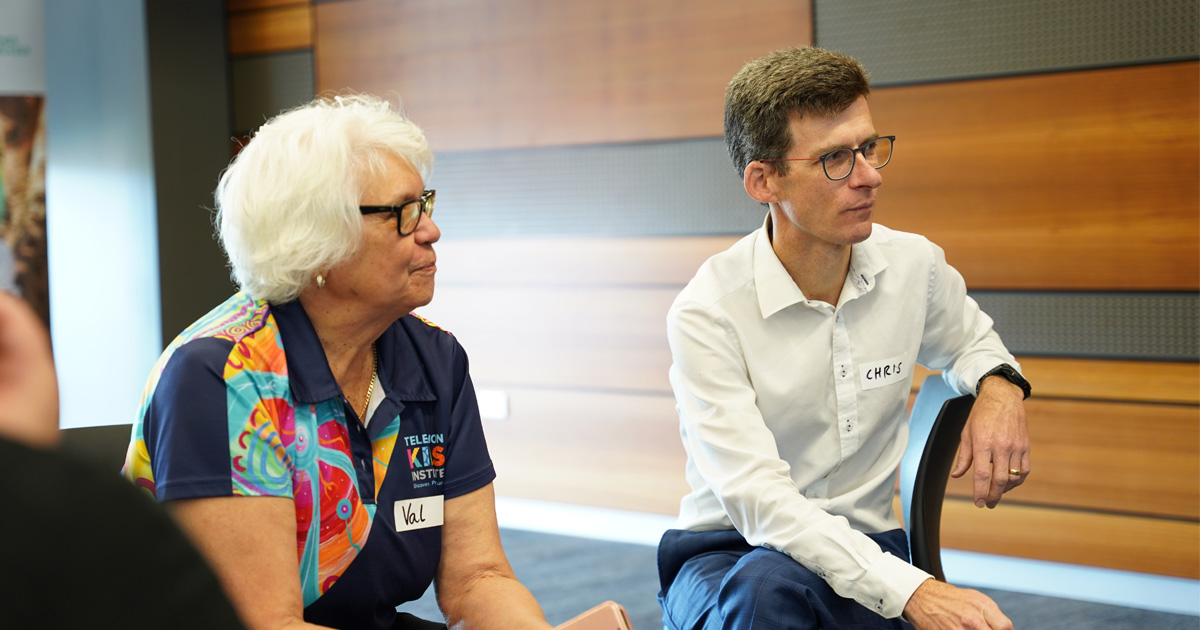
Researchers from the Wesfarmers Centre of Vaccines and Infectious Diseases at The Kids Research Institute Australia have shared their expertise with the community in Cockburn, covering topics ranging from respiratory disease in babies to recurring ear infections in kids.
A telehealth-facilitated randomised-controlled trial utilising a health promotion intervention to resolve otitis media with effusion for children won specialist Ear, Nose and Throat (ENT) waiting lists
Food allergies have become more common in our community, with up to one in ten young children now affected. Reactions can range from mild hives to life threatening anaphylaxis and breathing difficulties. The most common food allergies are to egg, peanut, tree nuts, cow’s milk, fish, shellfish, sesame, wheat and soy.