
Search
Showing results for "clinical trials"
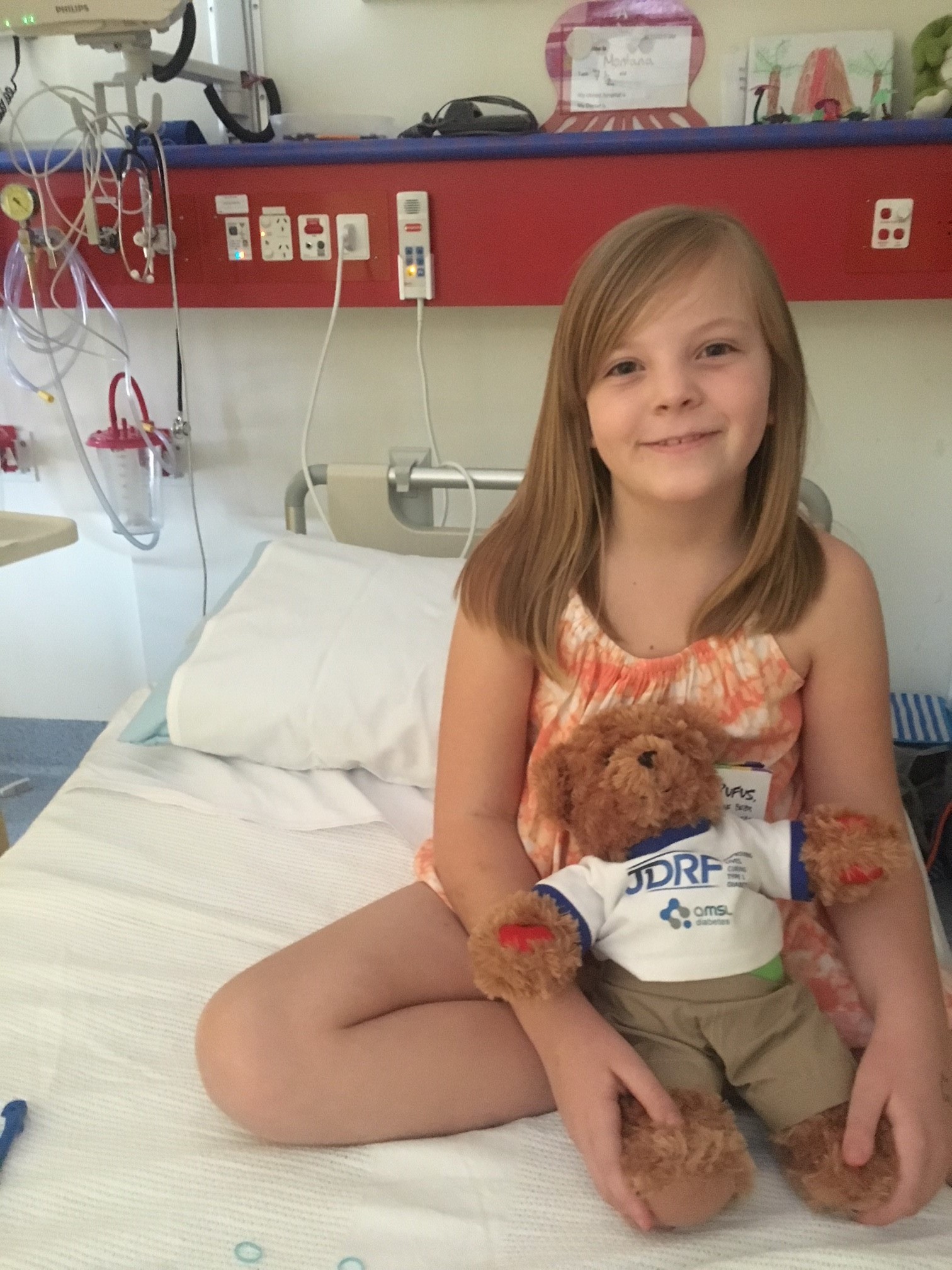
A diabetes diagnosis is a shock at any time but spare a thought for the Rustens who jumped on a plane to Perth from Kununurra within an hour of diagnosis.

From ensuring exceptional insurance protection to holding fundraising events, JLT has the interests of The Kids Research Institute Australia well covered.
Contact us If you'd like to get in touch, please contact us by phone or email. Phone: 0400 450 240 Email: rhyme@telethonkids.org.au Background The
The Wesfarmers Centre is pleased to announce the successful applications for the 2017 Round 2 Wesfarmers Centre Seed Funding. The Wesfarmers Centre
The epithelium is integral to the protection of many different biological systems and for the maintenance of biochemical homeostasis. Emerging evidence suggests that particular children have epithelial vulnerabilities leading to dysregulated barrier function and integrity, that resultantly contributes to disease pathogenesis.
Protecting your privacy is important to us. This policy explains how The Kids Research Institute Australia collects, uses, and safeguards your personal information.
The in-vivo plasma concentration of penicillin needed to prevent Streptococcus pyogenes pharyngitis, recurrent acute rheumatic fever, and progressive rheumatic heart disease is not known. We used a human challenge model to assess the minimum penicillin concentration required to prevent streptococcal pharyngitis.
Understanding Strep A transmission within the home is critical to inform effective prevention strategies.
The production of functional antipneumococcal antibodies in otitisprone children demonstrates that they respond to the current pneumococcal conjugate vaccine (PCV)and are likely to respond to pneumolysin-based vaccines as effectively as healthy children.
Ingestion of prebiotics during pregnancy and lactation may have immunomodulatory benefits for the developing fetal and infant immune system and provide a potential dietary strategy to reduce the risk of allergic diseases. We sought to determine whether maternal supplementation with dietary prebiotics reduces the risk of allergic outcomes in infants with hereditary risk.