
Search
Showing results for "Childhood interstitial lung disease "
Developmental and epileptic encephalopathies (DEE) are rare, often monogenic neurodevelopmental conditions. Most affected individuals have refractory seizures. All have multiple severe impairments which can be as life-limiting as or more limiting than the seizures themselves. Mechanism- and gene-targeted therapies for these individually rare, genetic conditions hold hope for treatment, amelioration of disease expression, and even cure.
By directly engaging with women diagnosed with ovarian cancer, this study aimed to explore and identify their view of the health symptoms and outcomes that matter most to them as they traverse their disease pathway.

Patron
New research from Perth's The Kids for Child Health Research shows that a Western diet is associated with an increased risk of liver disease in teenag
The BEACHES project aims to provide high quality evidence of aspects of the built environment which can be modified to reduce the negative impact on children’s physical activity, eating behaviours and weight status.
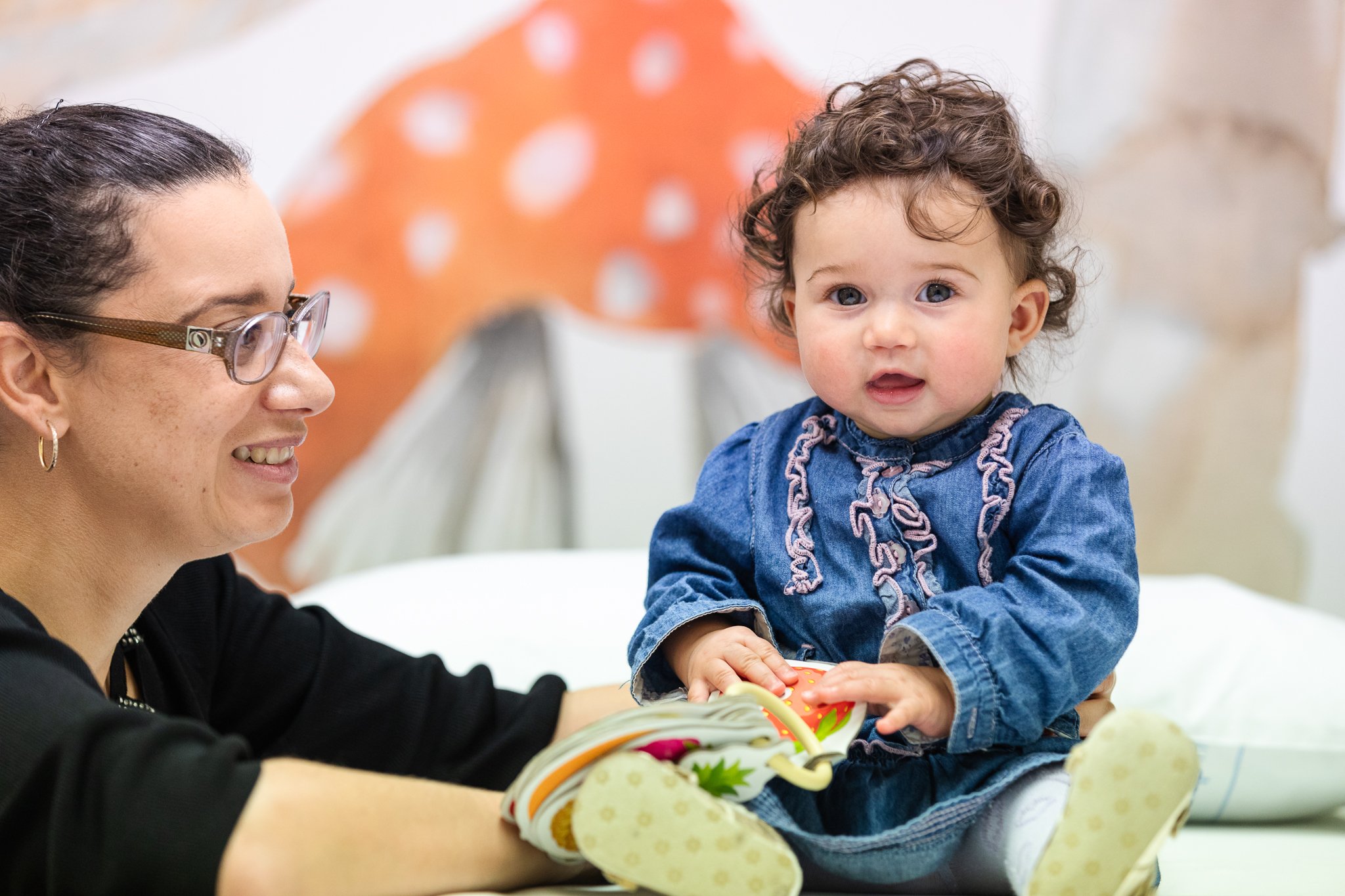
RHINO researchers from The Kids' Wal-yan Respiratory Research Centre, will analyse ORIGINS data and turn it into meaningful respiratory and allergy outcome data that can be used by researchers around the world.
Australia's defence, infectious diseases

Thousands of children born in Papua New Guinea (PNG) no longer face a future cut short by severe pneumonia, thanks to the introduction of pneumococcal vaccination as part of the country’s National Immunisation Program.
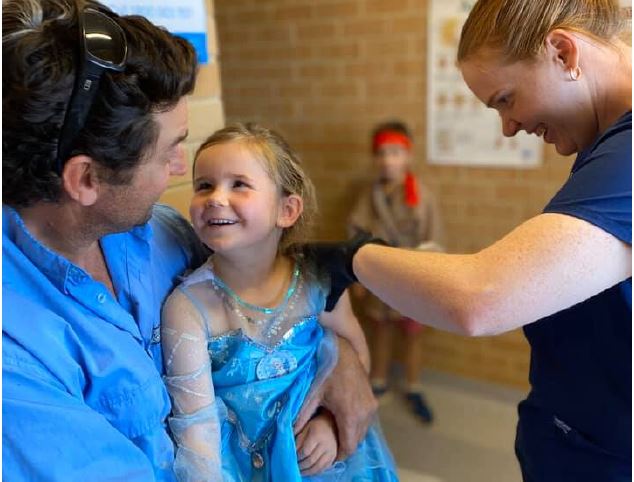
Infectious disease researchers who used a decade of scientific evidence to advocate for a nationwide childhood influenza immunisation policy have earned a finalist position at the country’s most prestigious science awards – the Australian Museum Eureka Prizes.
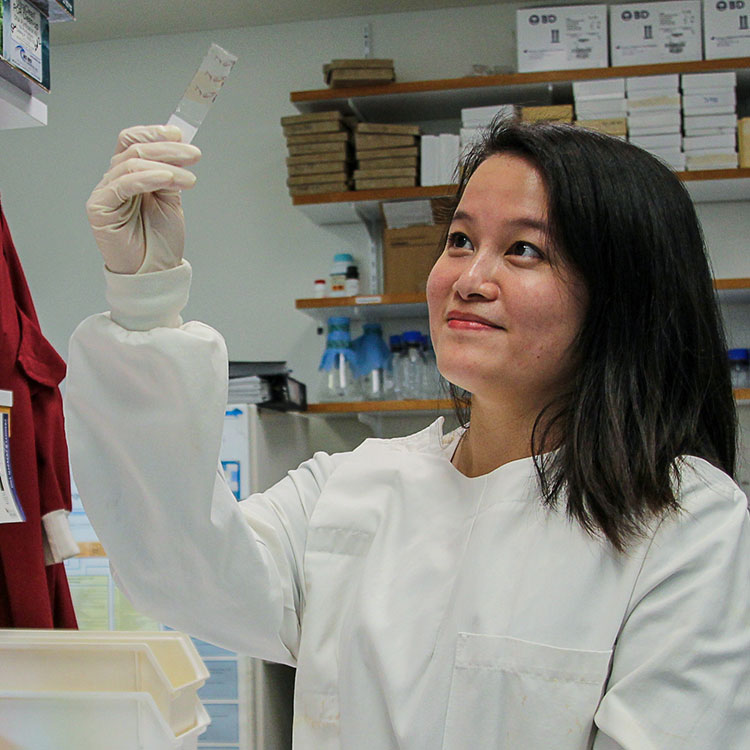
The Kids Research Institute Australia researchers have been awarded five of eight State Government awards designed to help cover the hidden costs of conducting research.