
Search
Showing results for "mental health aboriginal"
We aimed to synthesise global prevalence estimates of type 2 diabetes among Indigenous youth aged under 25 years, and examine age- and gender-specific differences and secular trends.
Indigenous peoples in high income countries are disproportionately affected by Type 2 Diabetes. Socioeconomic disadvantages and inadequate access to appropriate healthcare are important contributors.
Secondary prevention of acute rheumatic fever (ARF) and rheumatic heart disease (RHD) involves continuous antimicrobial prophylaxis among affected individuals and is recognised as a cornerstone of public health programmes that address these conditions. However, several important scientific issues around the secondary prevention paradigm remain unresolved.
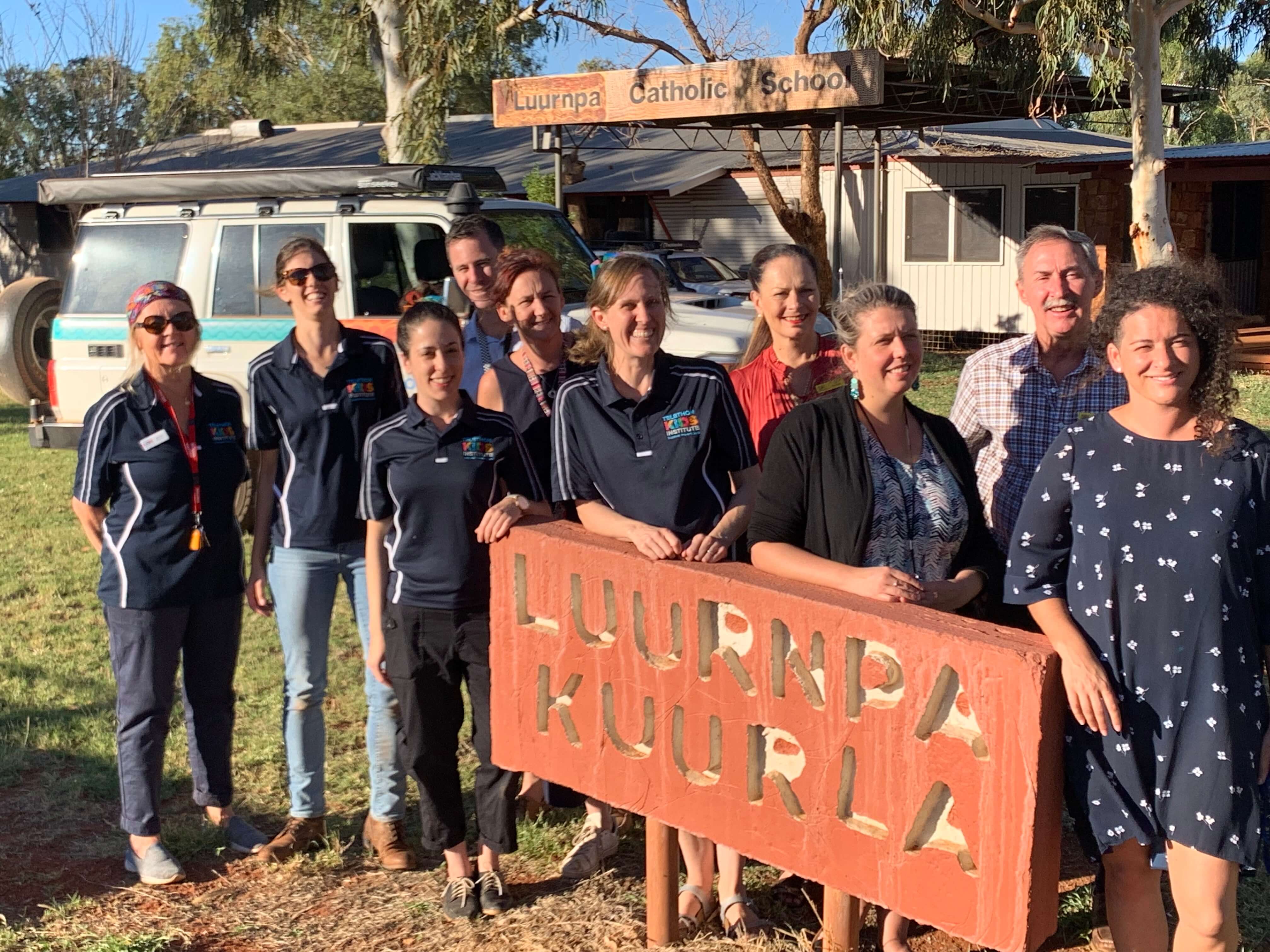
The The Kids Skin Health team has a busy six weeks ahead - visiting nine communities throughout the Kimberley region of WA as part of the first school surveillance activities for the SToP Trial.
The review examines the international literature to determine how disengagement can be defined & understood, & then examines student disengagement in Australia.

Honorary Emeritus Research Fellow
Avantogen Limited (ACU:ASX) today announced that cancer researchers at Perth's The Kids for Child Health Research (TICHR) and Avantogen Limited
The objective of this paper was to measure changes in caesarean delivery rates for primiparous women in Western Australia during 1995–2010 stratified by...
Documenting carer, service provider and healthcare practitioner perspectives on skin infections provides more understanding of the context of treatment decisions
Mental health concerns present significant challenges for Australian youth. Arts organizations play a key role in promoting preventative mental health strate-gies through enhancing the social and emotional well-being (SEWB) of youth. However, little is known about how the arts promote SEWB and the processes and contexts through which this occurs.