
Search
Showing results for "mental health aboriginal"
Quantifying stroke incidence and mortality is crucial for disease surveillance and health system planning. Administrative data offer a cost-effective alternative to "gold standard" population-based studies. However, the optimal methodology for establishing stroke deaths from administrative data remains unclear.
Indigenous peoples in high income countries are disproportionately affected by Type 2 Diabetes. Socioeconomic disadvantages and inadequate access to appropriate healthcare are important contributors.
Cardiovascular disease contributes significantly to disease burden among many Indigenous populations. However, data on stroke incidence in Indigenous populations are sparse. We aimed to investigate what is known of stroke incidence in Indigenous populations of countries with a very high Human Development Index locating the research in the broader context of Indigenous health.
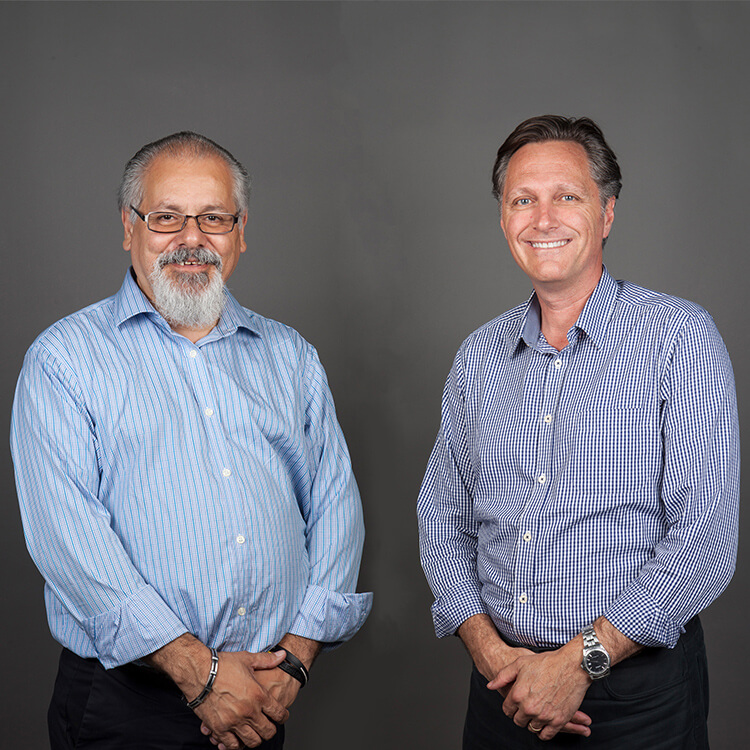
Two outstanding The Kids Research Institute Australia research leaders have been named finalists in the 2018 Western Australian of the Year Awards.

Senior Research and Evaluation Officer
To describe the infant and maternal characteristics of the Early Moves cohort and to assess representativeness to the general population, and to evaluate the implementation fidelity of an application-based collection of General Movement Assessment (GMA) videos at writhing and fidgety age.
About 2 per cent of children are estimated to have an intellectual disability. The cause of the condition is unknown in at least 50 per cent of cases.
Steve Zubrick FASSA, FAAMHS, MSc AM PhD Honorary Emeritus Research Fellow 08 6319 1409 Stephen.zubrick@thekids.org.au Honorary Emeritus Research
Bullying varies in frequency, intensity, duration and hence severity, and contributes uniquely and directly to mental health problems, with severe and long-lasting consequences. Almost a half of school-age students report being bullied in the past year.
The Language in Little Ones (LiLO) study is a five-year longitudinal study (2017-2021), funded through the National Health and Medical Research Council. The study investigates the quantity and quality of language exposure in the home environment during the first five years of a child’s life.