
Search
Showing results for "1"
Christopher Blyth MBBS (Hons) DCH FRACP FRCPA PhD Centre Head, Wesfarmers Centre of Vaccines and Infectious Diseases; Co-Head, Infectious Diseases
Eating a regular, healthy breakfast is required to support good health, wellbeing and development throughout childhood and adolescence.
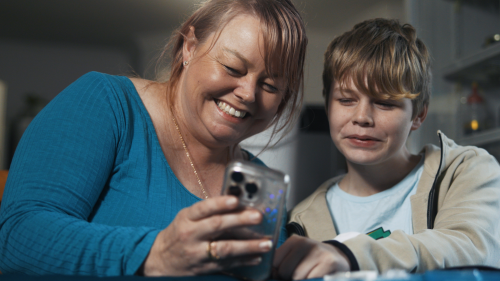
Innovative new digital platform set to transform diabetes care for WA families.
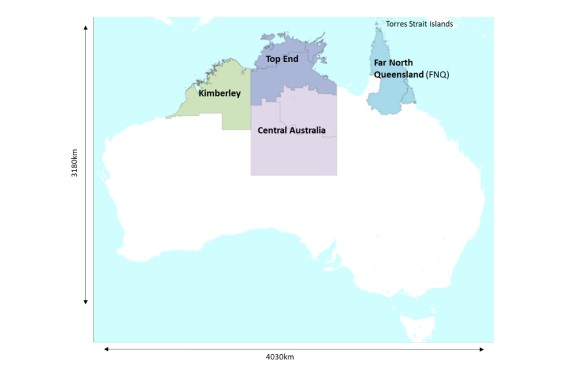
Explore new research on youth-onset diabetes at The Kids' Institute, uncovering insights to improve health outcomes for young patients in Northern Australia.
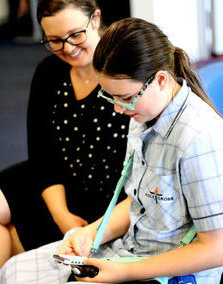
This time last year Keira Reynolds was in a vastly different place to where she is today. Back then, the Year 6 student was coming to grips with a new type 1 diabetes diagnosis and finishing primary school, uncertain about what lay ahead at high school.

Seven innovative lung health research projects have received funding support as the 2023 Wal-yan Respiratory Research Centre Strategic Inspiration Projects.
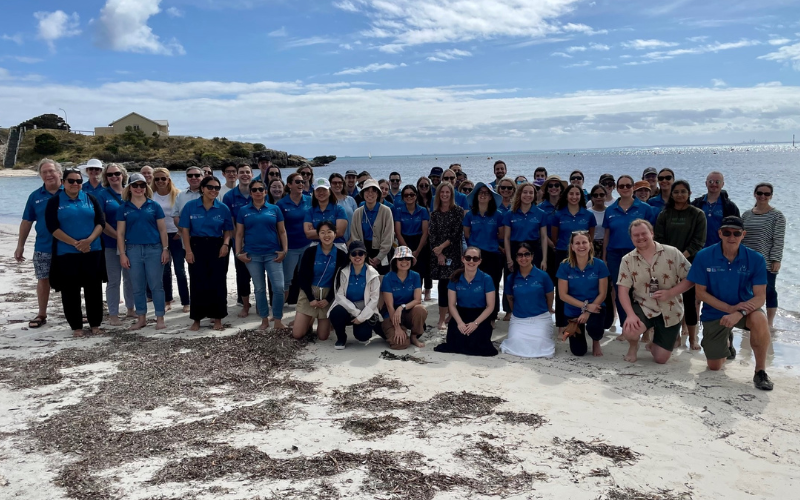
The Wal-yan Respiratory Research Centre's dedicated team members, along with special guests, embarked on a journey to Wadjemup (Rottnest Island) on 9 and 10 November.

by Dr Shivanthan Shanthikumar
In 2014, Wesfarmers committed $5 million over 4 years to The Kids' research to set up the Wesfarmers Centre of Vaccines and Infectious Diseases.
Strengths-based, tiered, accessible, resources and supports (STARS) for Kids for parent, carers and their children.