
Search
Showing results for "lung disease preterm"
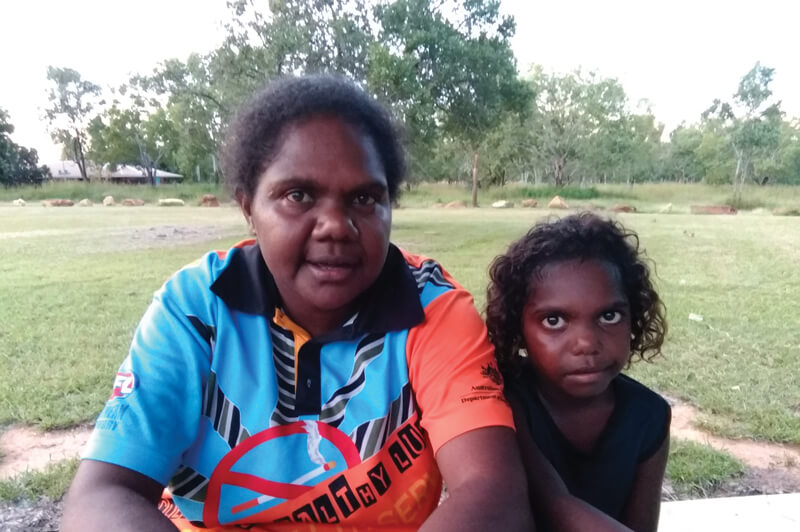
Collaboration is the driving force behind ‘END RHD Demonstration Communities’ – a new community-driven, research-backed approach to tackling rheumatic heart disease (RHD) in remote Australia.
The ACEFA NHMRC Centre of Research Excellence aims to support the timely, effective response to epidemic diseases in Australia through real-time data analytics, modelling, and forecasting.
Kimberley Aboriginal Medical Services, Nirrumbuk Environmental Health and Services and The Kids Research Institute Australia seek to implement and evaluate a community-led project, funded by the Department of Health, to prevent and manage RHD in a selected high-risk Aboriginal community
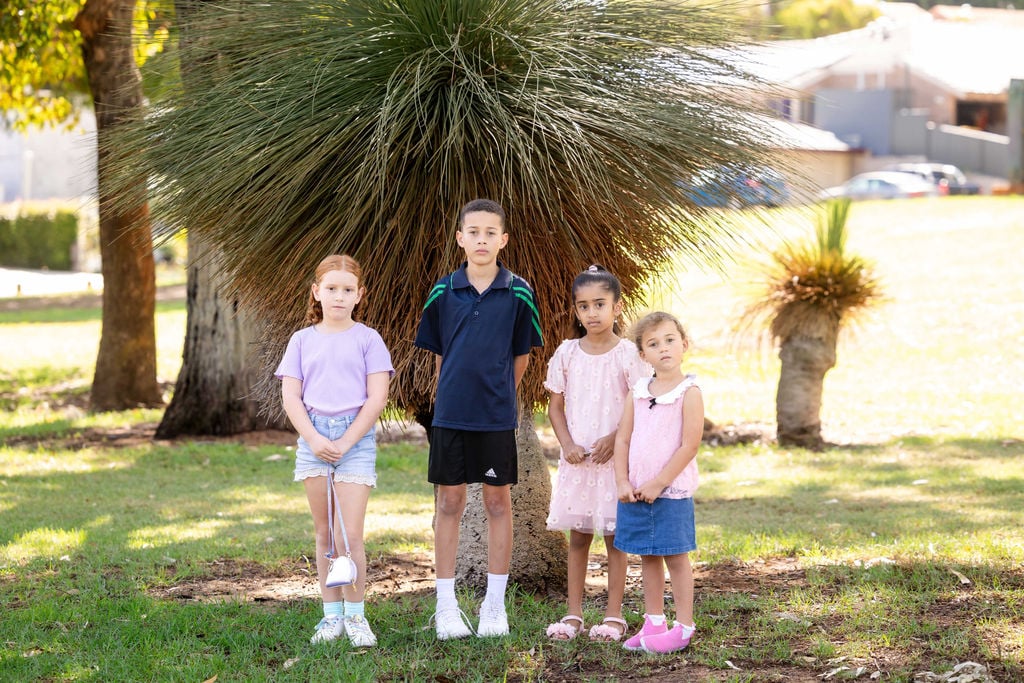
Positive mental health, flourishing, and resilience to stress are not only critical to the overall wellbeing of a person but also their physical health, affecting both chronic and acute health conditions
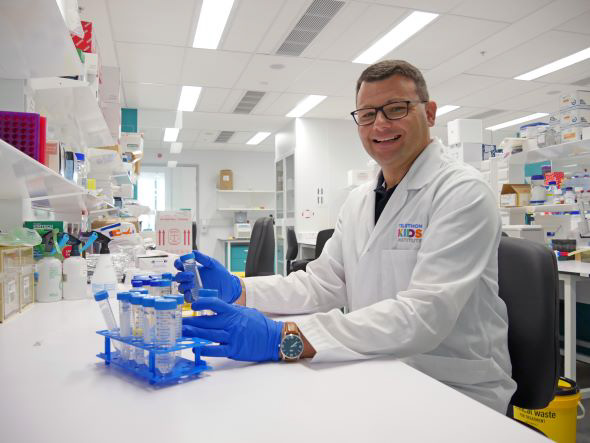
Nearly 50 existing prescription medications already used by Australians will be tested by new research in the fight against COVID’s mutant variants.

The Wal-yan Respiratory Research Centre is seeking expressions of interest from Western Australians to join an Antimicrobial Resistance (AMR) Community Reference Group, to provide vital community perspectives on the research activities into this global health concern.
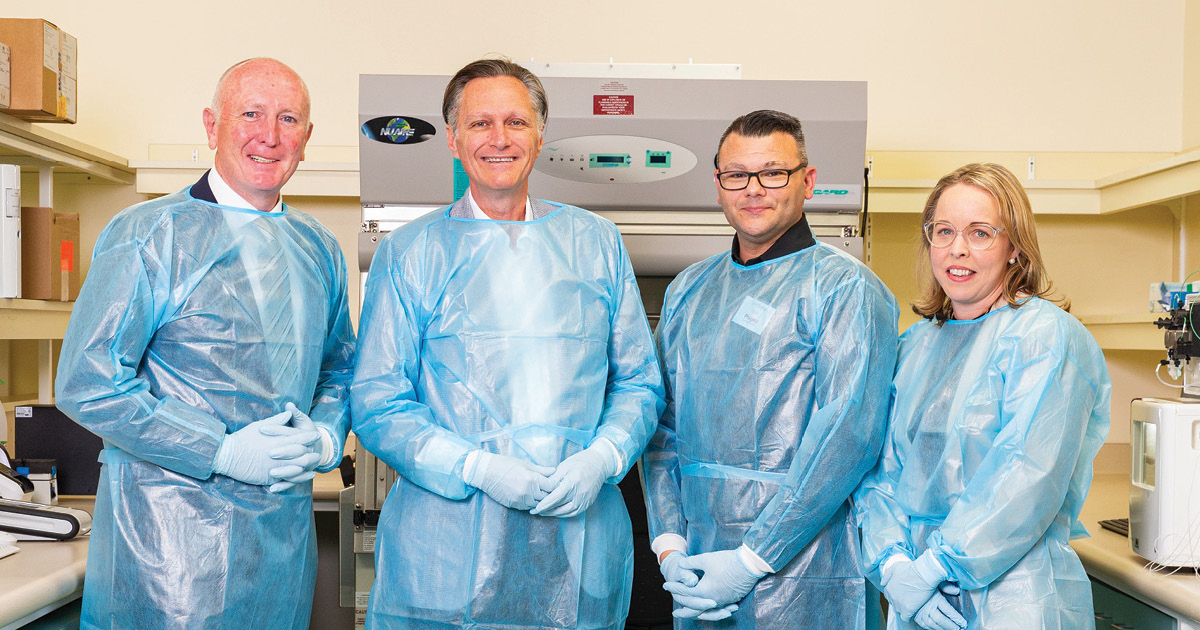
Western Australia’s first bacteriophage manufacturing facility has been opened in a significant development that brings patients battling antibiotic-resistant infections a step closer to life-saving phage therapy.
Our findings indicate that COPD, cigarette smoke and macrolide antibiotics potentiate the susceptibility to persistent intracellular NTHi
There is controversy regarding whether cystic fibrosis (CF) airway epithelial cells (AECs) are intrinsically proinflammatory.
In the austral summer of 2021-2022, Australia experienced an unprecedented Japanese encephalitis virus (JEV) outbreak, with detections over 3000 km south of previous occurrences. Given the limited knowledge of JEV transmission ecology in Australia, we developed geospatial models of transmission risk to support the public health response. We created time-varying habitat suitability models for suspected mosquito vectors and ardeid hosts using month-scaled occurrence and covariate data from 2000-2023.