
Search
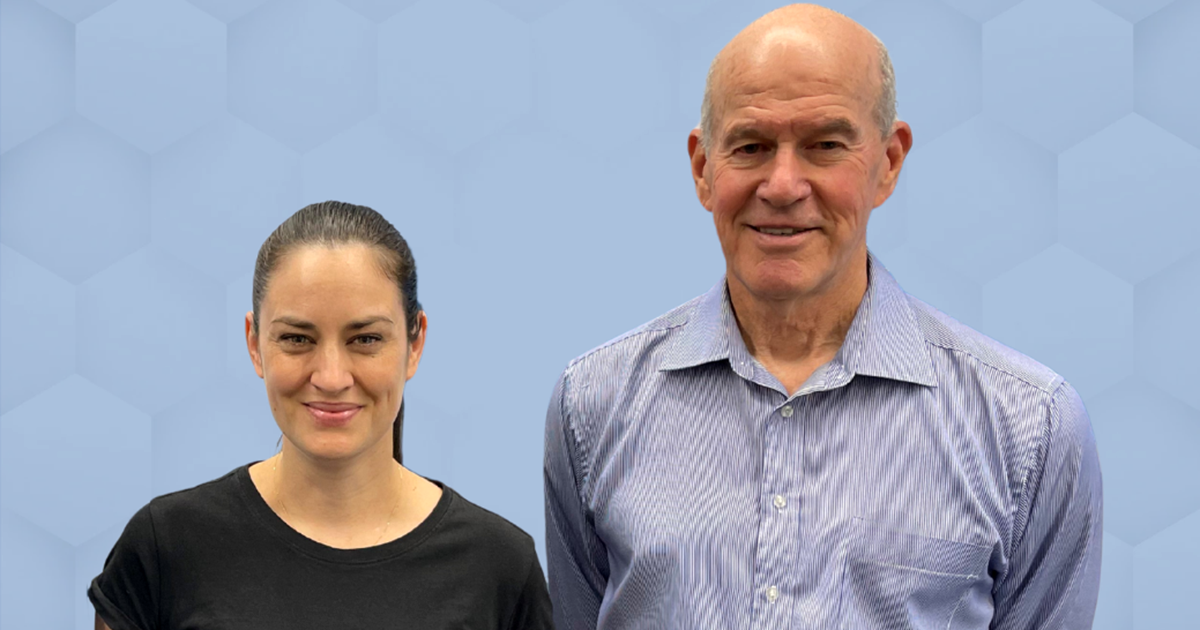
Researchers from The Kids Research Institute Australia have contributed to a landmark study revealing climate change will have a detrimental impact on one of the greatest threats to the health of children in the Global south – diarrhoea.
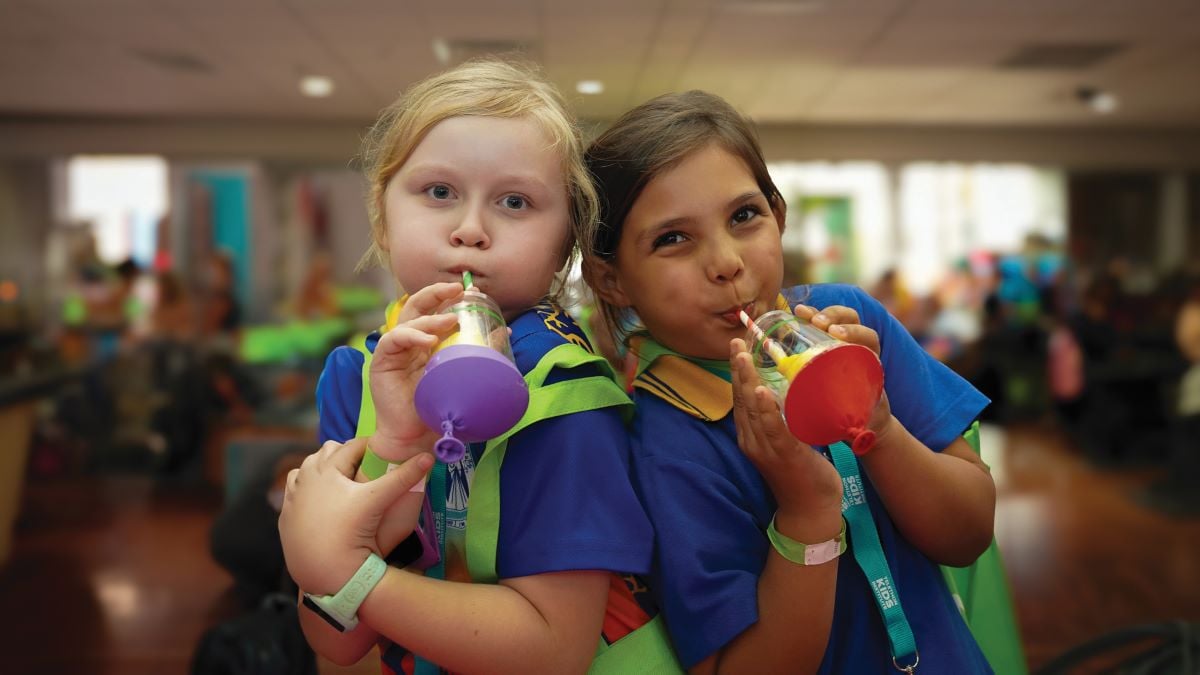
Free Family-Friendly Science Fun During National Science Week 2025. Get ready for an awesome adventure into the world of Science, Technology, Engineering and Mathematics!

The Kids Research Institute Australia has been awarded a prestigious National Health and Medical Research Council (NHMRC) tender to lead the national review of the revised Draft Statement on Consumer and Community Involvement in Health and Medical Research.
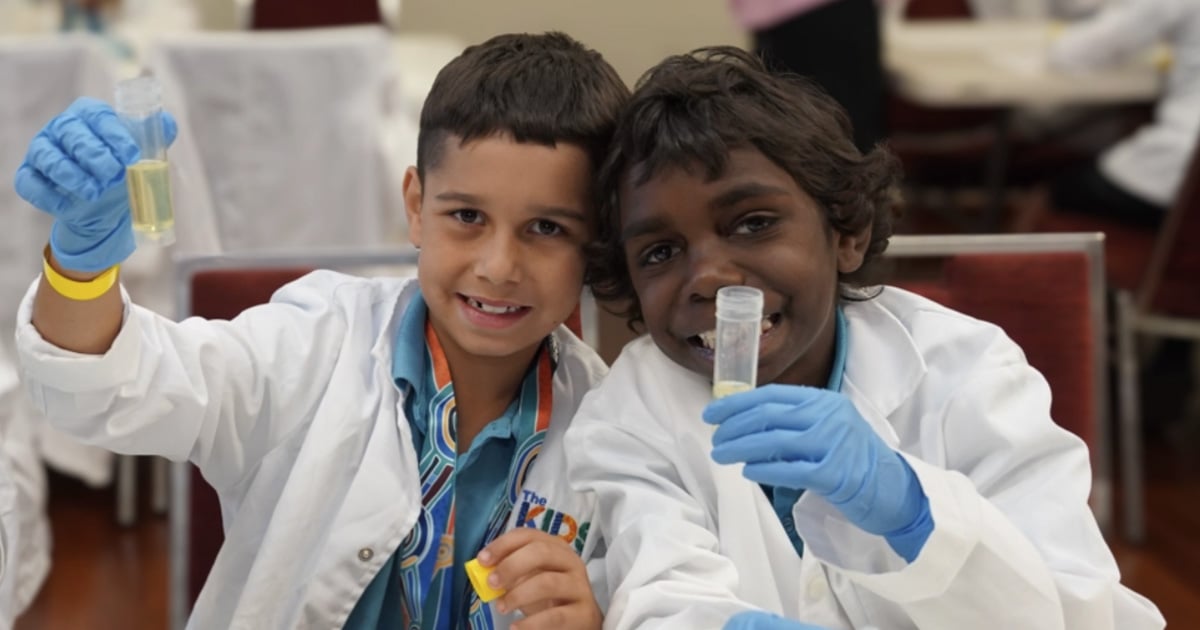
The Broome Civic Centre recently turned into a buzzing hub of discovery as The Kids Research Institute Australia proudly presented the 2025 Broome STEM Festival.
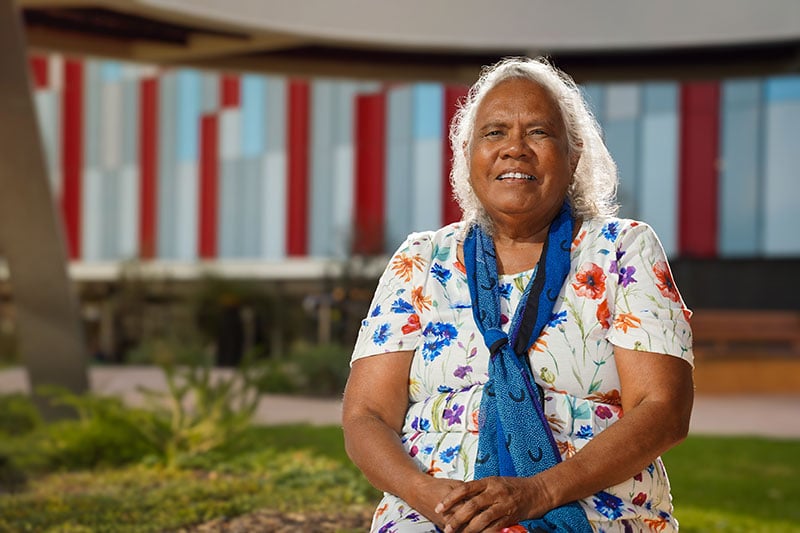
Dr Mara West
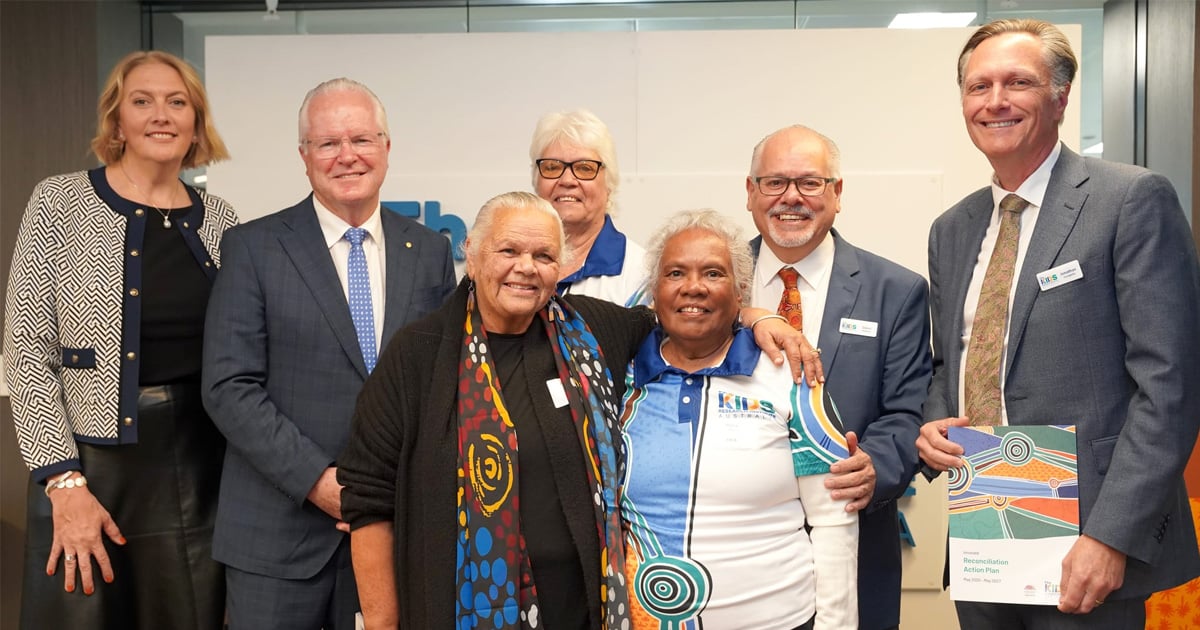
Our vision for reconciliation is a future where Aboriginal and Torres Strait Islander children and families experience equity in health, wellbeing and opportunity – empowered by partnerships grounded in respect, collaboration, and benefit.
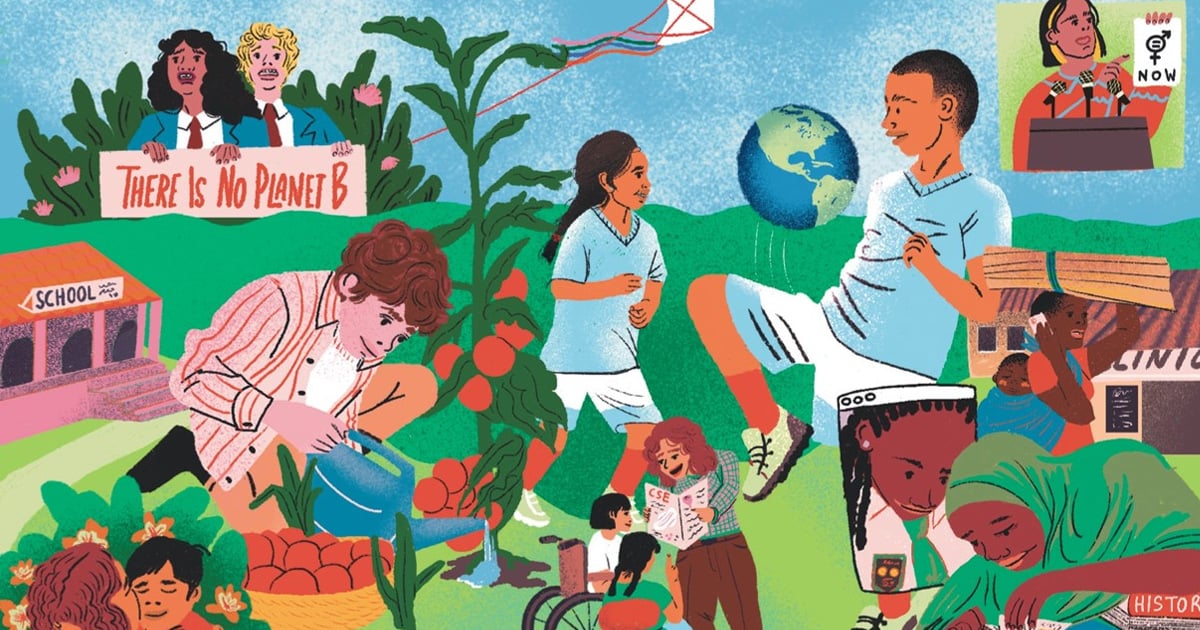
The health of the world’s 1.96 billion adolescents is at a critical tipping point.
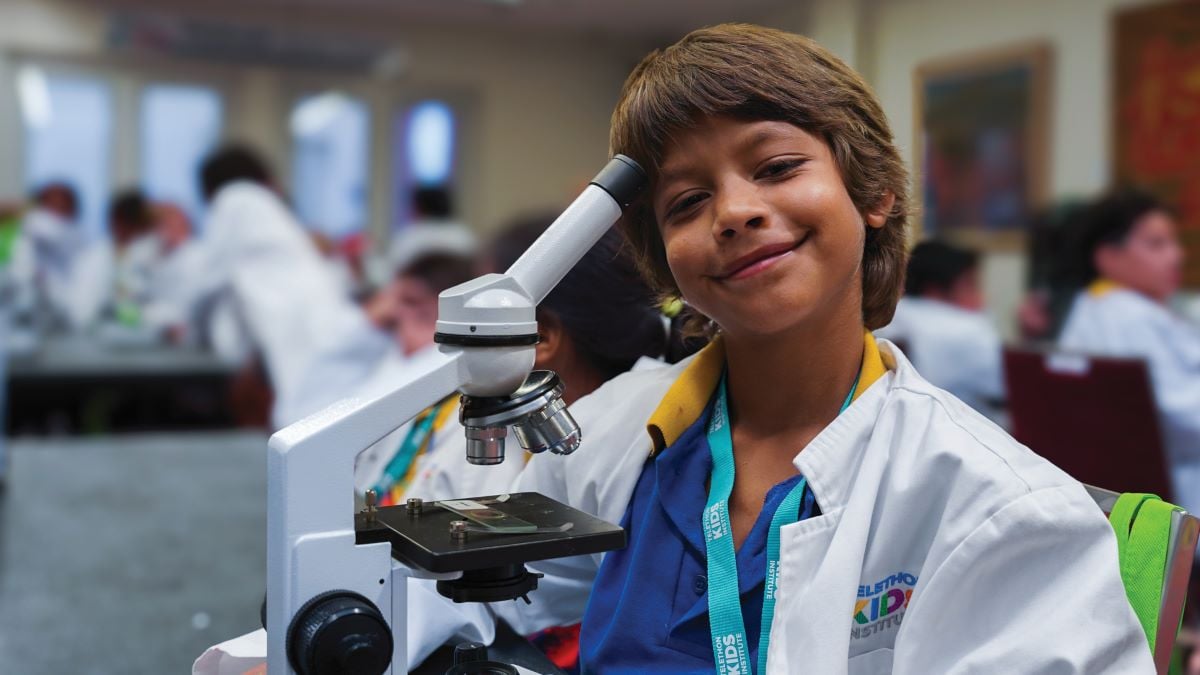
The Kids Research Institute Australia will return to the Kimberley in May for the Broome STEM Festival, promising two fun-filled days of hands-on science activities for local families to experience.
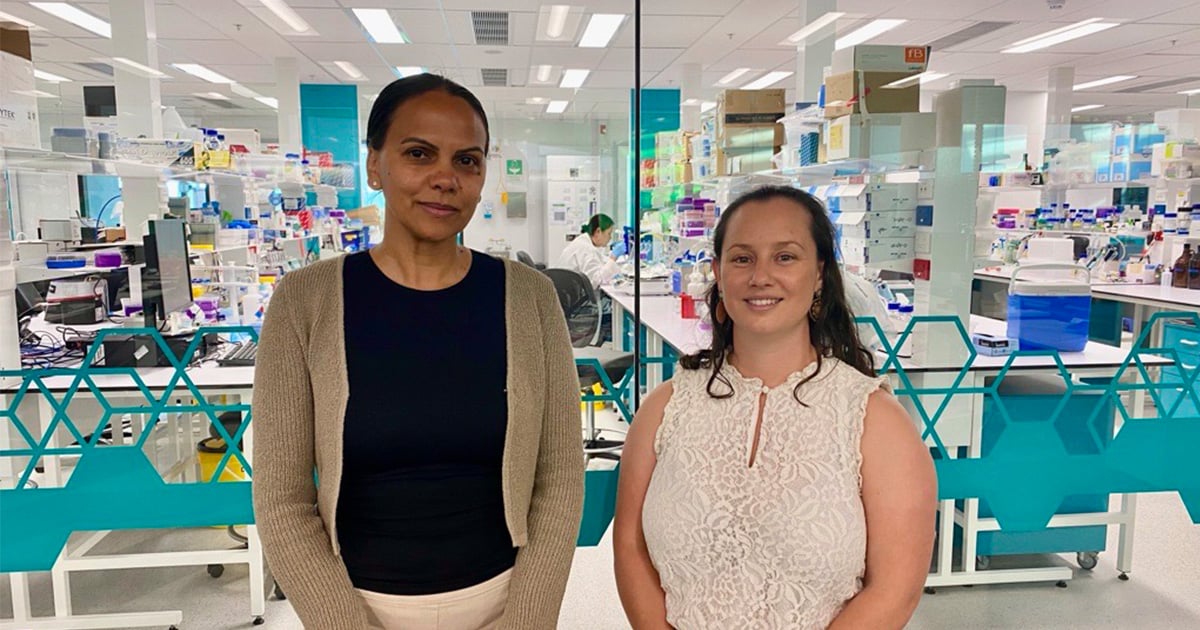
A review led by the First Nations Childhood Cancer team at The Kids Research Institute Australia has highlighted the urgent need for Indigenous-specific studies focused on cancer outcomes, survivorship and equity.
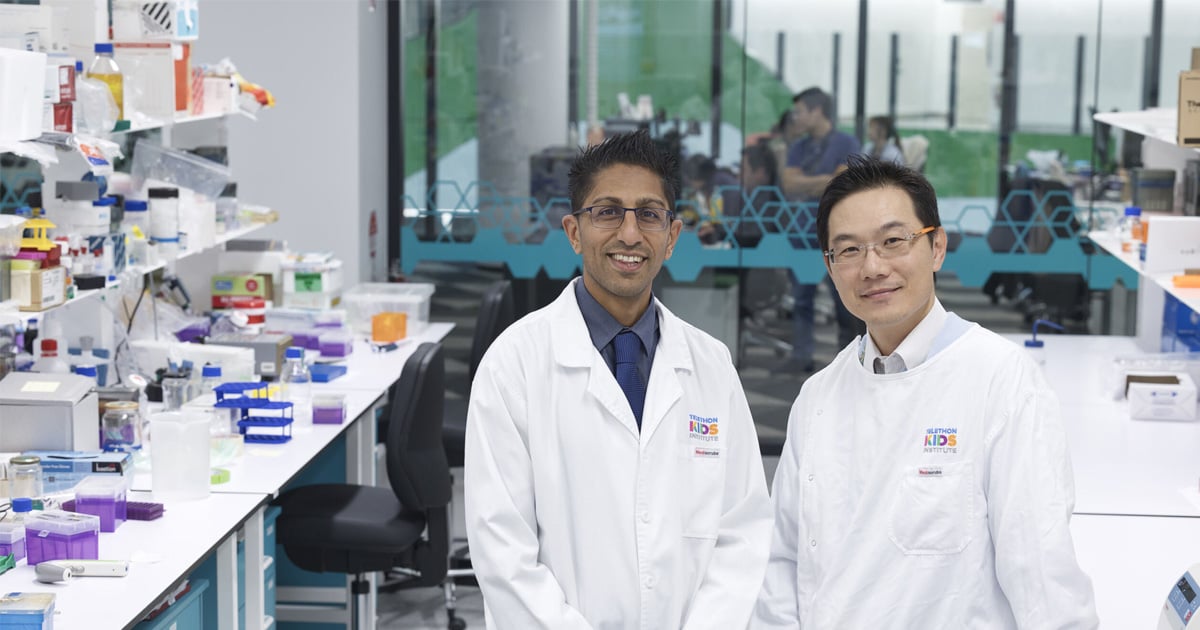
A groundbreaking study from cancer researchers at The Kids Research Institute Australia has identified a promising new therapeutic strategy for children battling the most common childhood cancer – B-cell acute lymphoblastic leukaemia.