
Search
Showing results for "early lung health"

PhD Student

Did you know that we now have a 'triage' section on the DiabHQ app with useful documents and a FAQs page.
Early first sexual intercourse (FSI) is a risk factor for unplanned abstract teenage pregnancy, sexually transmitted infection, and adverse social, emotional...
In asthma, a significant portion of the interaction between genetics and environment occurs through microbiota. The proposed mechanisms behind this interaction are complex and at times contradictory. This review covers recent developments in our understanding of this interaction: the "microbial hypothesis" and the "farm effect"; the role of endotoxin and genetic variation in pattern recognition systems; the interaction with allergen exposure; the additional involvement of host gut and airway microbiota; the role of viral respiratory infections in interaction with the 17q21 and CDHR3 genetic loci; and the importance of in utero and early-life timing of exposures.
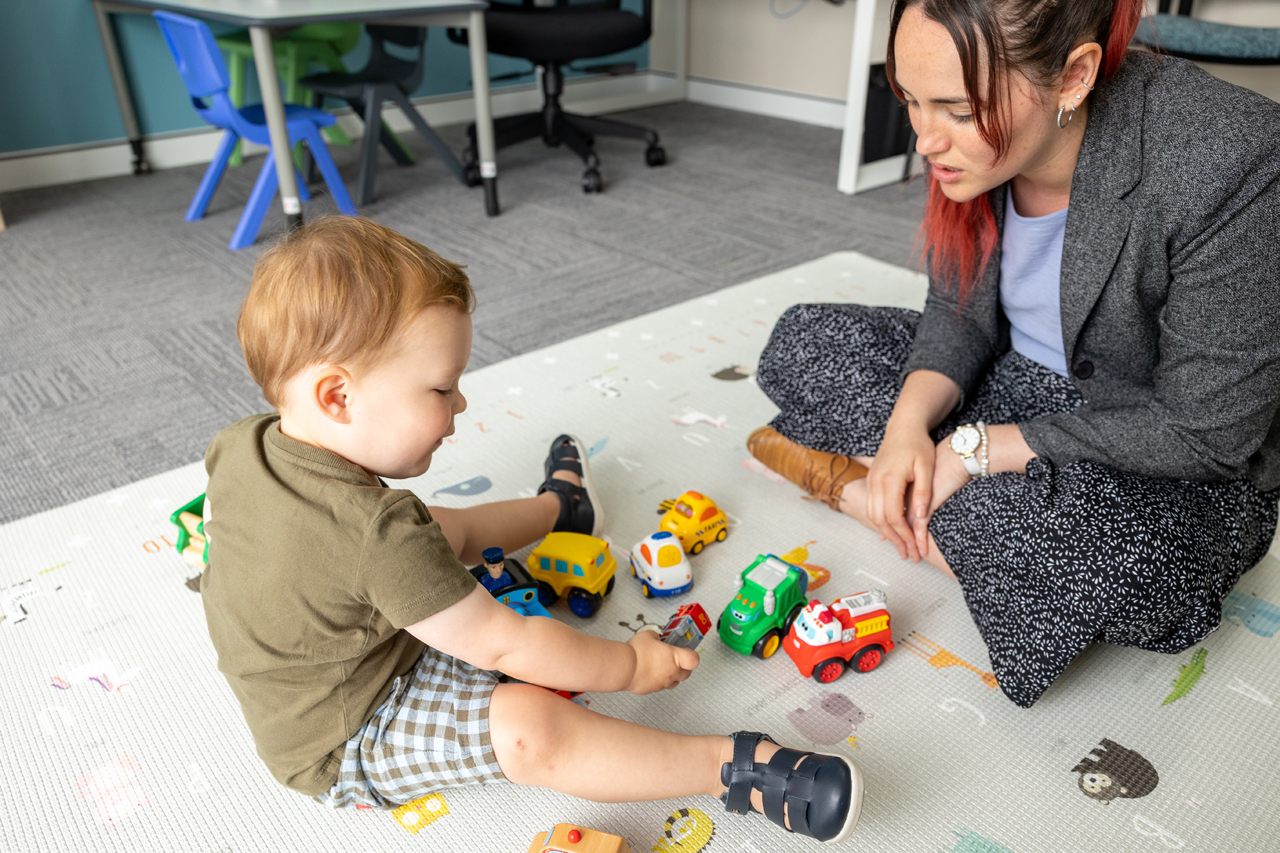
Are you tired of being on waitlists to access supports for your family? CliniKids has immediate availability for a number of therapies and programs in clinic (Subiaco and Joondalup) or via telehealth.

ORIGINS is no longer offering courier services or home collection of samples.
These project websites display extended detailed information about specific research areas.
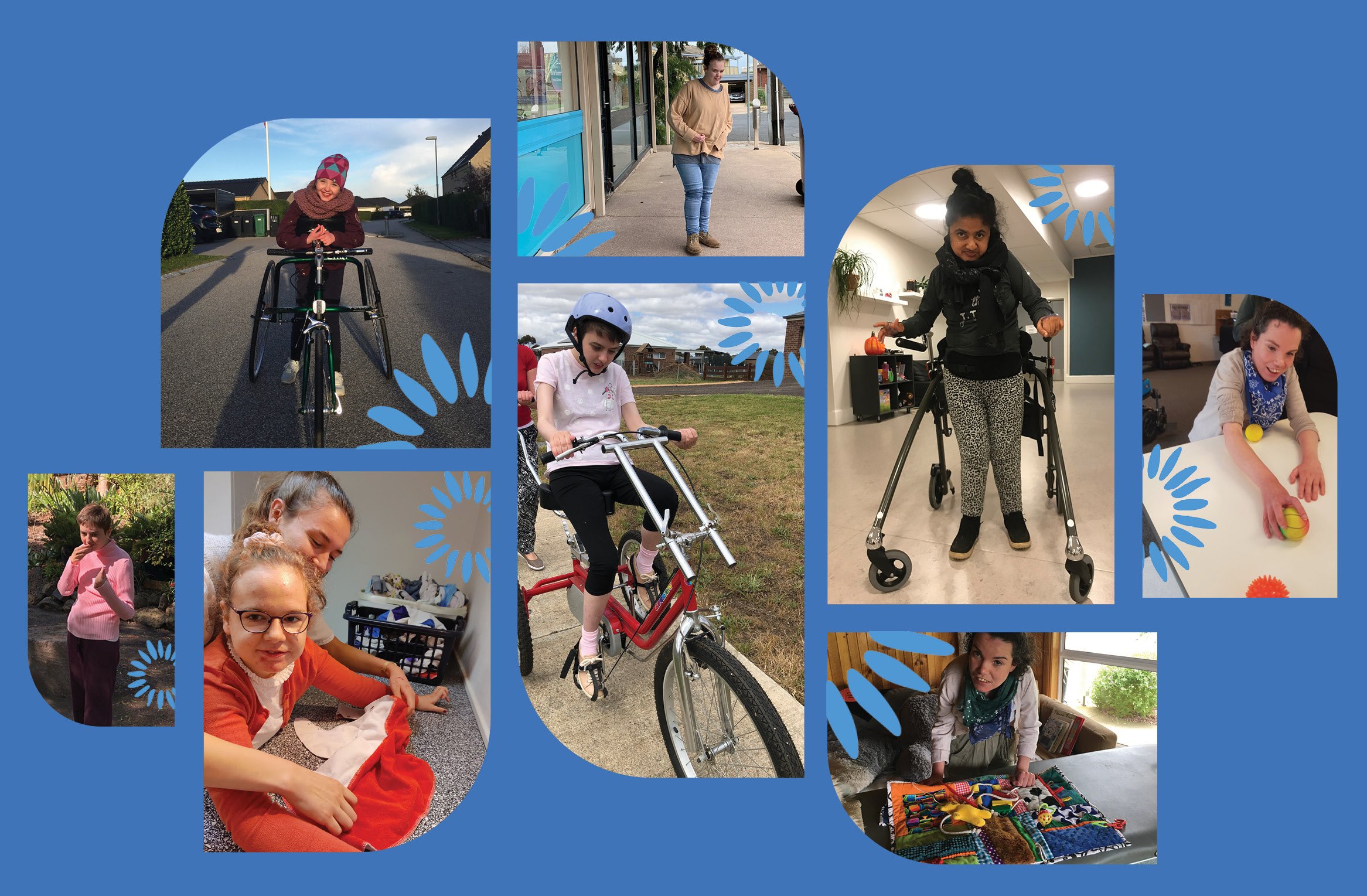
Anyone who engages in physical activity, regardless of how much they do, can achieve mental, physical and social health benefits, resulting in benefits to their quality of life.
Veterans who transition out of the military often face substantive challenges during their move to civilian life, including the management of their health, identifying opportunities for employment, contributing to the financial and emotional functioning of their household, and developing high-quality social connec
Parents and carers reported on the health, school, telephone counselling and online services used by young people, as well as any medication taken.
We are currently working through several clinical audits to ensure that we are meeting our service delivery standards and governance requirements. As part of this, we have audited our Service Agreements to ensure that we have a signed agreement on file for all our clients. This agreement is an NDIS

The The Kids Community stretches far and wide, and is full of inspiring people, doing inspiring things for child health research.
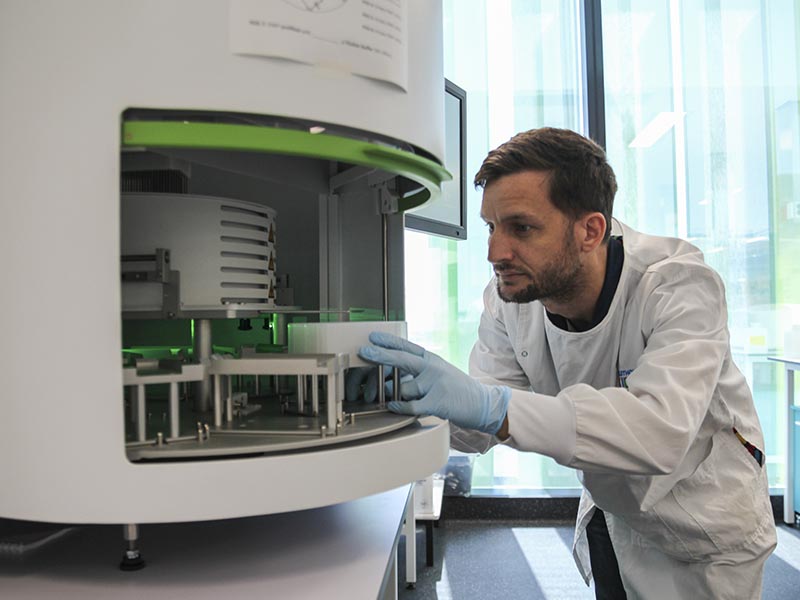
BioSpecs is a flexible service that supports laboratory research by providing expert technical assistance in pre-analytical sample processing and nucleic acid extractions.
We present lung virome data recovered through shotgun metagenomics in bronchoalveolar lavage fluid from an infant with cystic fibrosis, who tested positive for Stenotrophomonas maltophilia infection. Using a bioinformatic pipeline for virus characterization in shotgun metagenomic data, we identified five viral contigs representing Pseudomonas phages classified as Caudoviricetes.
To characterise the socio-demographic characteristics, aged and health care needs, and aged care services used by older Aboriginal and Torres Strait Islander people assessed for aged care service eligibility.
Christopher Deborah Hannah Lea-Ann Peter Blyth Lehmann Moore Kirkham Richmond MBBS (Hons) DCH FRACP FRCPA PhD AO, MBBS, MSc OAM BSc (Hons)

These guidelines outline a set of best practices for suicide prevention in LGBTQA+ young people, targeting both clinical and community service providers.

Senior Research Fellow
This review examines the consequences of preterm birth on the airway epithelium and explores the clinical relevance of currently available models

Professor Jonathan Carapetis has made eliminating rheumatic heart disease his life’s work.