
Search
Showing results for "Childhood interstitial lung disease "
Shortage of ear, nose, and throat specialists in public hospitals can result in delays in the detection and management of otitis media. This study introduced a new hospital-based telehealth service, named the Ear Portal, and investigated its role in improving access to specialist care.
T-cell lymphoblastic lymphoma (T-LBL) is a rare and aggressive lymphatic cancer, often diagnosed at a young age. Patients are treated with intensive chemotherapy, potentially followed by a hematopoietic stem cell transplantation. Although prognosis of T-LBL has improved with intensified treatment protocols, they are associated with side effects and 10-20% of patients still die from relapsed or refractory disease. Given this, the search toward less toxic anti-lymphoma therapies is ongoing.
Rearrangements of the Mixed Lineage Leukemia (MLL/KMT2A) gene are present in approximately 10% of acute leukemias and characteristically define disease with poor outcome.
Dysbiosis refers to a reduction in microbial diversity, combined with a loss of beneficial taxa, and an increase in pathogenic microorganisms. Dysbiosis of the intestinal microbiota can have a substantial effect on the nervous and immune systems, contributing to the onset of several inflammatory diseases.
This chapter focuses on the management of those with hearing impairment, and how tele-audiological tools and approaches may assist to improve service delivery
We determined trends over time in the prevalence of neonatal drug withdrawal syndrome (NWS) in England compared with that reported in the USA, Western (W)...
A Closed-Loop System will potentially have a major impact upon acute and chronic complications of diabetes as well as upon their quality of life
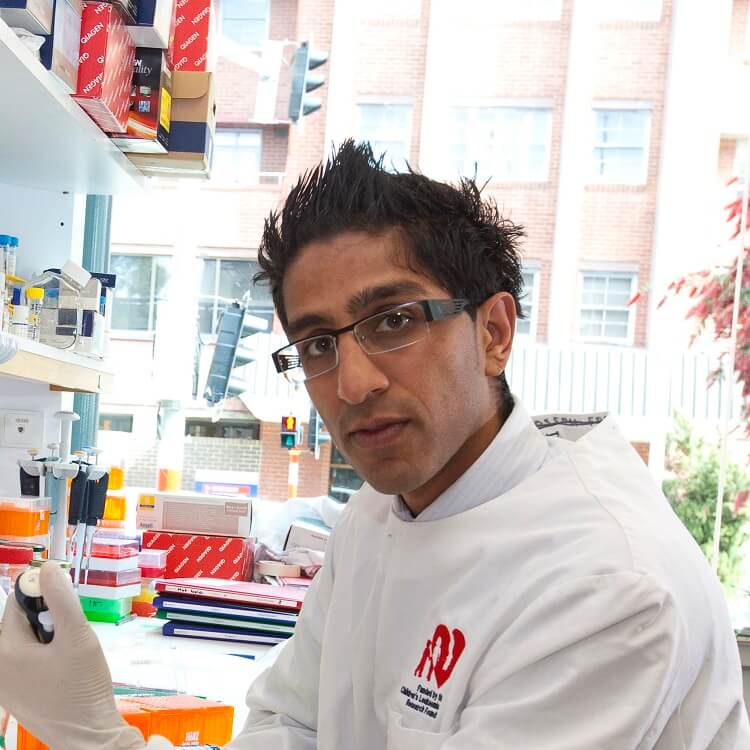
The Australian arm of an international clinical trial looking at improved treatments for young babies with leukaemia has been awarded funding from the MRFF.

Australian researchers join global effort to better understand how events during pregnancy and childhood influence the development of disease later in life.
On July 8, Professor Moira Clay will fly out to France and Italy as part of The Telethon Adventurers challenge to raise critical funds to assist researchers