
Search
Showing results for "mental health aboriginal"
In this study we will use new methods to comprehensively test immune responses in blood samples from people with ARF (diagnosed using the Jones Criteria) and healthy volunteers at Royal Darwin and from Auckland Hospital, New Zealand, to find any unique signature that reliably identifies ARF.
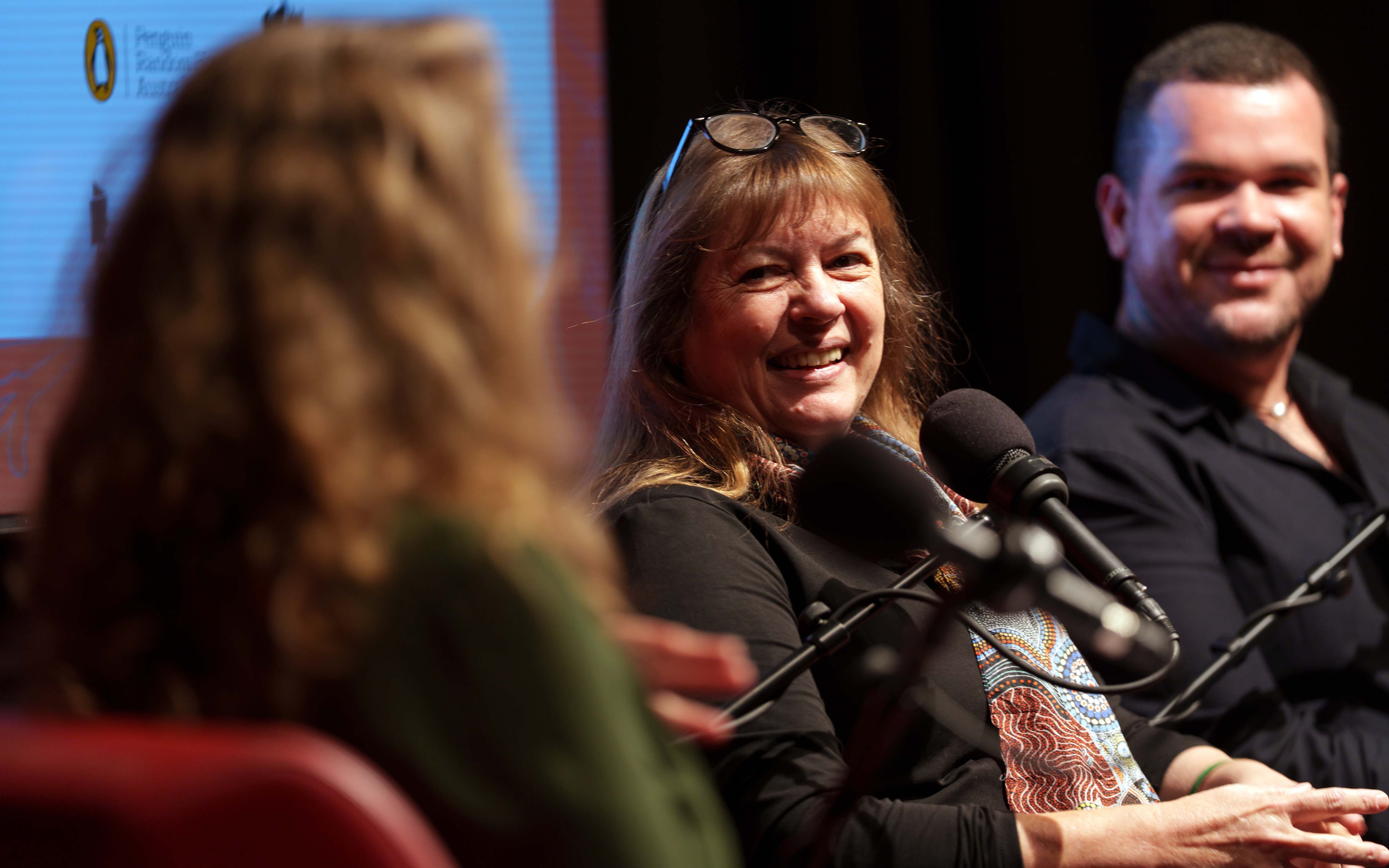
Embrace Co-Director Professor Helen Milroy AM spoke at the Big Day of Books event held at the ABC Radio studio in Perth.
‘Check4Strep’ is a community-based, participatory action research (PAR) pilot study in a remote northern territory community.
Parents and carers were asked about the quality of services, need for services and whether their children received the needed service, as well as barriers.
Christopher Hannah Peter Peter Blyth Moore Jacoby Richmond MBBS (Hons) DCH FRACP FRCPA PhD OAM BSc (Hons) GradDipClinEpi PhD BA (Hons) MSc MBBS MRCP(
Jonathan Judy Alex Jeffrey Rosemary Carapetis AM Katzenellenbogen Brown Cannon Wyber AM MBBS FRACP FAFPHM PhD FAHMS BSc (Occ Ther) BSc Hons (
To describe the clinical epidemiology of children receiving cochlear implants, as well as the management and outcomes of cochlear implant infections and adherence to infection prevention measures.
Meta-analyses and single-site studies have established that children are less infectious than adults within a household when positive for ancestral SARS-CoV-2. In addition, children appear less susceptible to infection when exposed to ancestral SARS-CoV-2 within a household. The emergence of SARS-CoV-2 variants of concern (VOC) has been associated with an increased number of paediatric infections worldwide.
Whilst gastrostomy insertion was associated with lower survival rates than children without gastrostomy, survival improved with time
Gastrostomy was associated with health benefits including reduced all-cause and epilepsy hospitalizations, but was not protective against acute LRTI