
Search
Showing results for "lung disease preterm"
Tom Snelling BMBS DTMH GDipClinEpid PhD FRACP Head, Infectious Disease Implementation Research 08 6319 1817 tom.snelling@thekids.org.au Head,
Tom Snelling BMBS DTMH GDipClinEpid PhD FRACP Head, Infectious Disease Implementation Research 08 6319 1817 tom.snelling@thekids.org.au Head,

In 2017, a steep rise in cases of meningococcal disease caused by the W strain sparked a wave of concern for parents in Western Australia.
Aboriginal Researcher

Professor Fiona Stanley Chair in Child Health Research

Eva Age 19. Youth advocate, Youth Advisory Group community member. I believe that research is an integral part of society and contributes to
Contact us If you'd like to get in touch, please contact us by phone or email. Phone: 0400 450 240 Email: vtg@thekids.org.au Paediatric Active
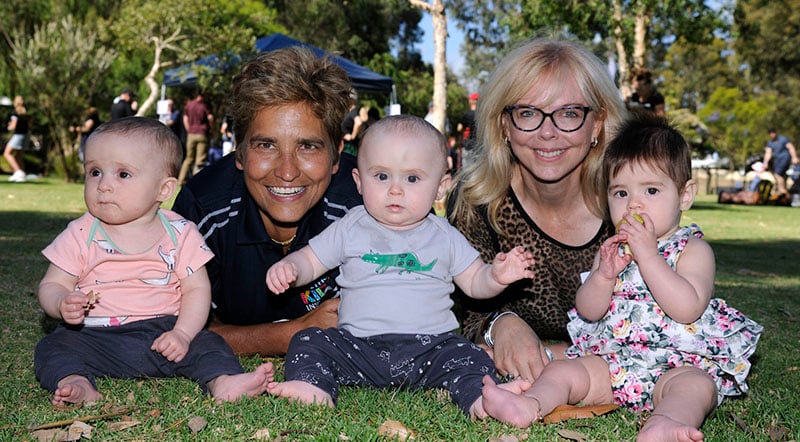
The Federal Government has joined with the Paul Ramsay Foundation to fund the project, with each pledging $13 million over 10 years.
Preeclampsia is a hypertensive disorder of pregnancy with major maternal and fetal consequences. While the molecular basis of early-onset preeclampsia is well studied, the mechanisms underlying late-onset disease-and how they differ by fetal sex-remain poorly understood. Placental transcriptomic profiling at term can reveal persistent molecular alterations reflecting cumulative disease processes.
Microbial biodiversity includes biotic and abiotic components that support all life forms by adapting to environmental conditions. Climate change, pollution, human activity, and natural calamities affect microbial biodiversity.