
Search
Showing results for "mental health aboriginal"
Recent interest in the diverse ecosystem of bacteria, fungi, parasites, and viruses that make up the skin microbiome has led to several studies investigating the microbiome in healthy skin and in a variety of dermatological conditions.
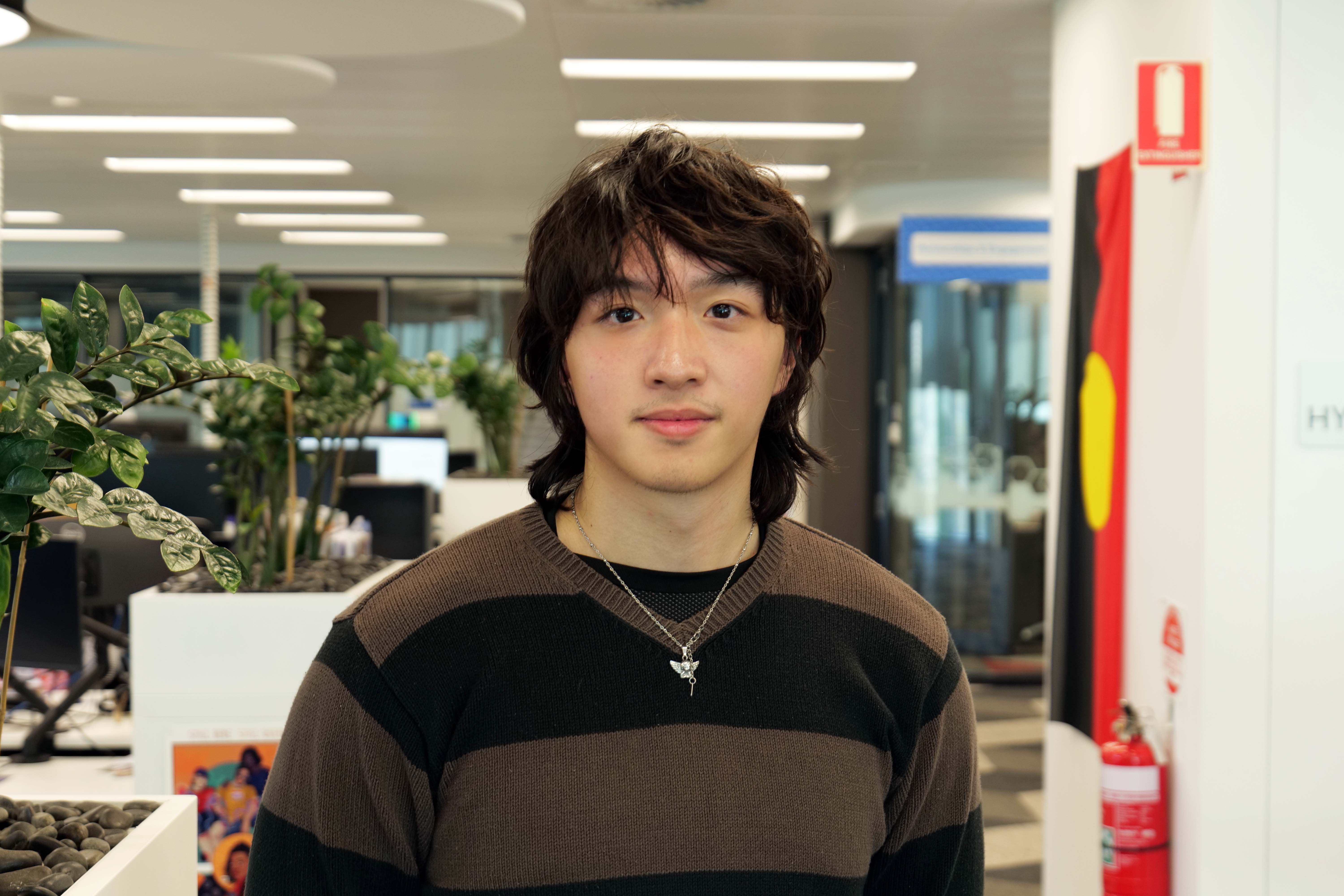
Congratulations to the inaugural Embrace intern, Bobby Zheng, who recently wrapped up a 100-hour paid internship with the Healing Kids, Healing Families team.
Access and adherence to cardiac rehabilitation (CR) remain suboptimal, particularly in rural and remote settings. This study evaluated the implementation of person-centred, evidence-based CR delivery model tailored to improve access and completion.
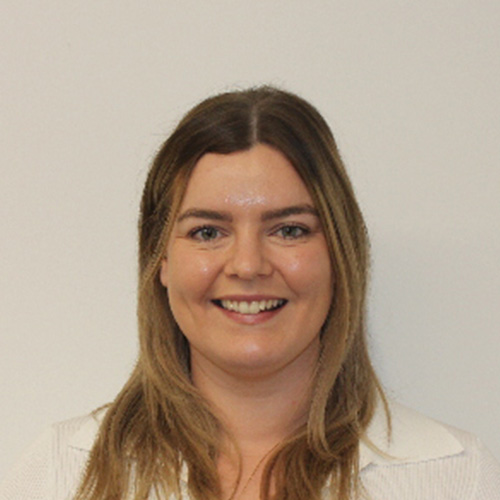
Katherine Murfitt (she/her) is a Clinical Psychologist and PhD Candidate committed to improving mental health accessibility for LGBTQ+ individuals.
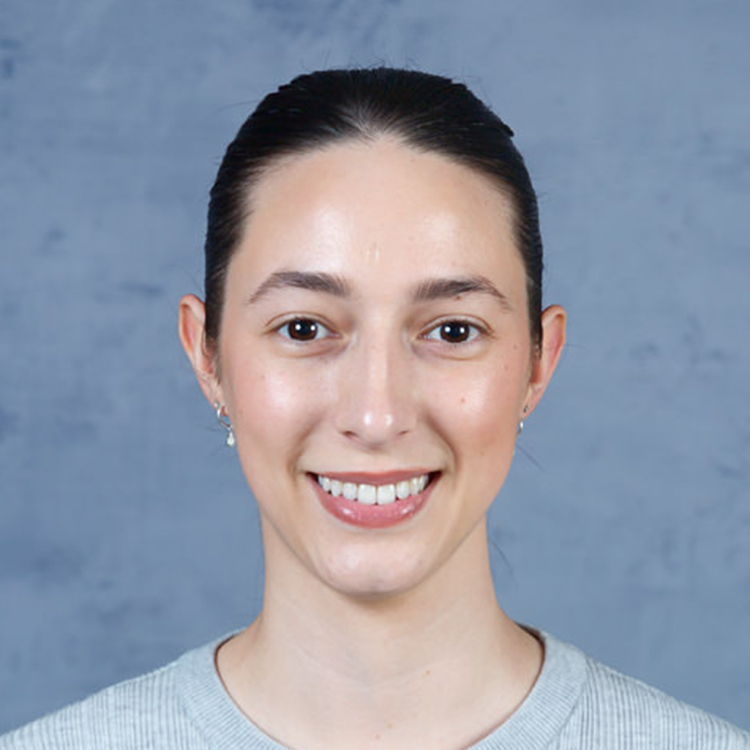
Clinical Research Fellow
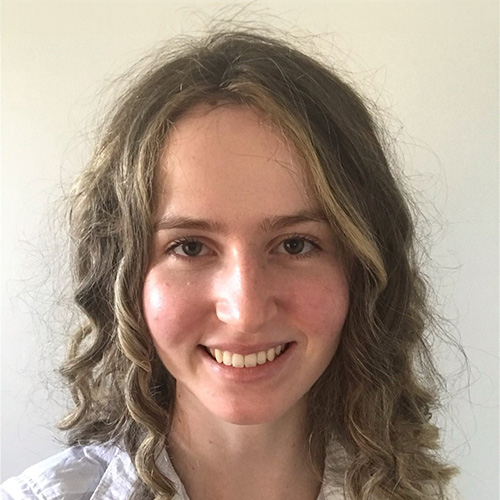
Research Assistant
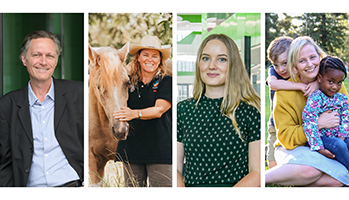
Four outstanding The Kids Research Institute Australia researchers, including Institute Director, Professor Jonathan Carapetis AM, have been named finalists in the 2021 Western Australian of the Year Awards.
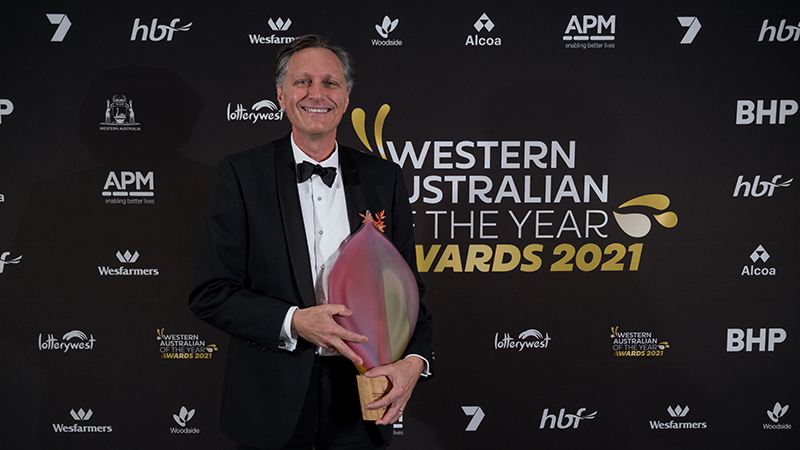
Congratulations to The Kids Research Institute Australia Director Professor Jonathan Carapetis AM, who last night won the Professions Award at the 2021 Western Australian of the Year Awards.
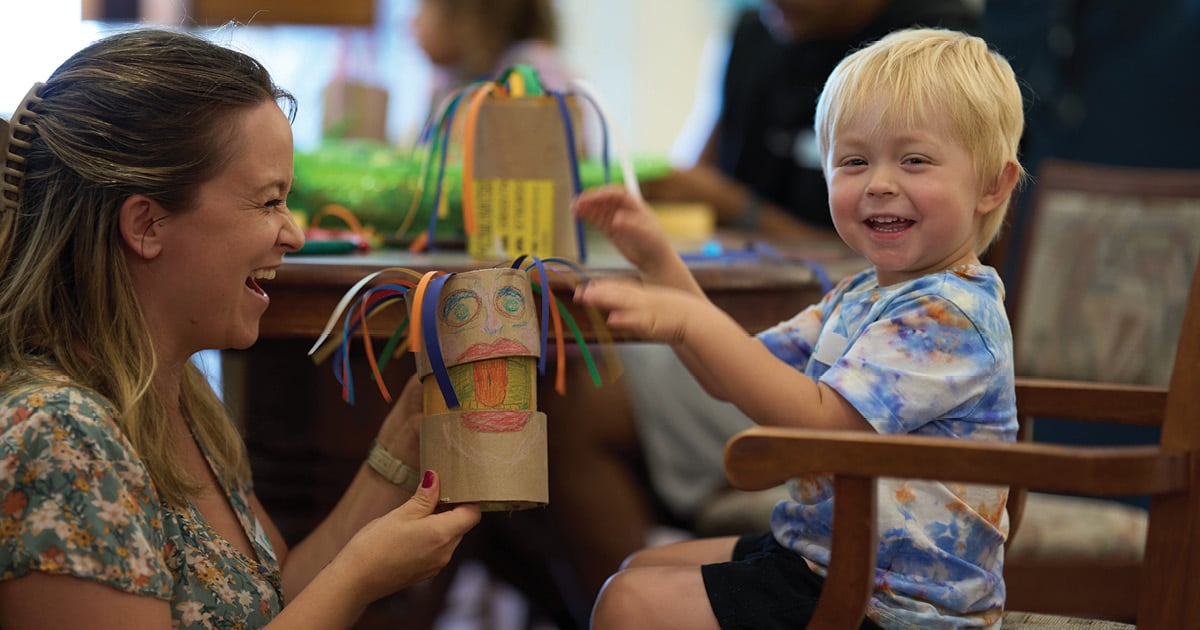
When author Maurice Sendak first sketched out the story of a rambunctious little boy sent to his room without supper, there’s no way he could have known his rollercoaster tale of childhood imagination would still be speaking to the hearts of wild young things more than six decades on.
Dissociation is often distressing, yet how affected adolescents manage dissociation in their daily lives is not well understood. This study aimed to describe the strategies adolescents use to manage dissociative symptoms from the perspective of adolescents themselves, their parents, and their clinicians.