
Search
Showing results for "lung disease preterm"
Kimberley Aboriginal Medical Services, Nirrumbuk Environmental Health and Services and The Kids Research Institute Australia seek to implement and evaluate a community-led project, funded by the Department of Health, to prevent and manage RHD in a selected high-risk Aboriginal community
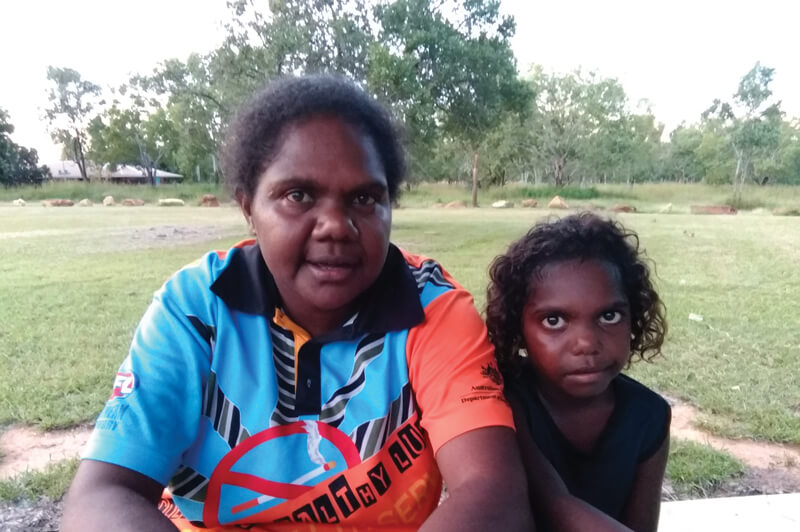
Collaboration is the driving force behind ‘END RHD Demonstration Communities’ – a new community-driven, research-backed approach to tackling rheumatic heart disease (RHD) in remote Australia.
Chronic suppurative otitis media (CSOM), sometimes referred to as chronic otitis media (COM), is a chronic inflammation and often polymicrobial infection of the middle ear and mastoid cavity, characterised by ear discharge (otorrhoea) through a perforated tympanic membrane. The predominant symptoms of CSOM are ear discharge and hearing loss. Systemic antibiotics are commonly used to treat people with CSOM. This is the first update to the review published in 2021, and is one of a suite of seven Cochrane reviews evaluating the effects of non-surgical interventions for CSOM.
Over 5 days, 120 schoolchildren from two schools in the remote Kimberley region of Australia were screened for Strep A pharyngitis. Molecular point-of-care testing identified Strep A pharyngitis in 13/18 (72.2%) symptomatic children. The portability and feasibility of molecular point-of-care testing was highly practical for remote settings.

At 6 weeks old David was diagnosed as having cystic fibrosis. His parents say that his involvement in research offers them their greatest hope for his future.
The Australian Genomics Cardiovascular Disorders Flagship was a national multidisciplinary collaboration. It aimed to investigate the feasibility of genome sequencing and functional genomics to resolve variants of uncertain significance in the clinical management of patients and families with cardiomyopathies, primary arrhythmias, and congenital heart disease.
Phthalate metabolites are detectable within the majority of the population. Evidence suggests that a prenatal exposure to phthalates may be associated with the subsequent risks of obesity and elevated blood pressure. We hypothesised that a prenatal exposure to phthalates would lead to an increase in adverse cardiometabolic parameters through childhood and adulthood.
Protection of newborns from infection can be achieved through maternal or vaccine-induced antibodies, but the factors influencing vaccine protection (correlate of protection) and subsequent infant immunity remain insufficiently understood. Further investigation is essential to optimize early-life vaccination strategies.
Allergic diseases are rising worldwide, especially in childhood, and their clinical diversity increasingly exposes the limits of traditional phenotype-based classifications. Genetic susceptibility, environmental exposures, epithelial barrier biology, and immune pathways interact to shape highly variable disease trajectories and treatment responses. In this context, precision medicine is no longer only an aspirational concept, but a practical effort to define meaningful endotypes, identify clinically useful biomarkers, and connect biological insight to prevention and care.
Environmental epigenetics is a fast-growing field of scientific research attracting interest from key stakeholders in Indigenous health internationally, including researchers, clinicians, policymakers, and advocacy organisations. It is the study of how various external factors, including food, stress, and toxins, alter genetic expression, and could be biologically passed down to children (and potentially grandchildren).