
Search
Contact us If you'd like to get in touch, please contact us by phone or email. Phone: 0400 450 240 Email: vtg@thekids.org.au PAEDS Paediatric Active

With COVID-19 being a major issue this year, is it still important to have a flu vaccine? And why have school aged children been included for a free vaccine?
A new study has confirmed the changing pattern of meningococcal disease in Western Australia.
Check out our top tips for travelling with an ear infection so that the kids can fly safely and hit the pool in no time.
An international team of researchers has pioneered a technique which gives unprecedented insight into the dramatic changes occurring in a baby’s body in the first week of life.
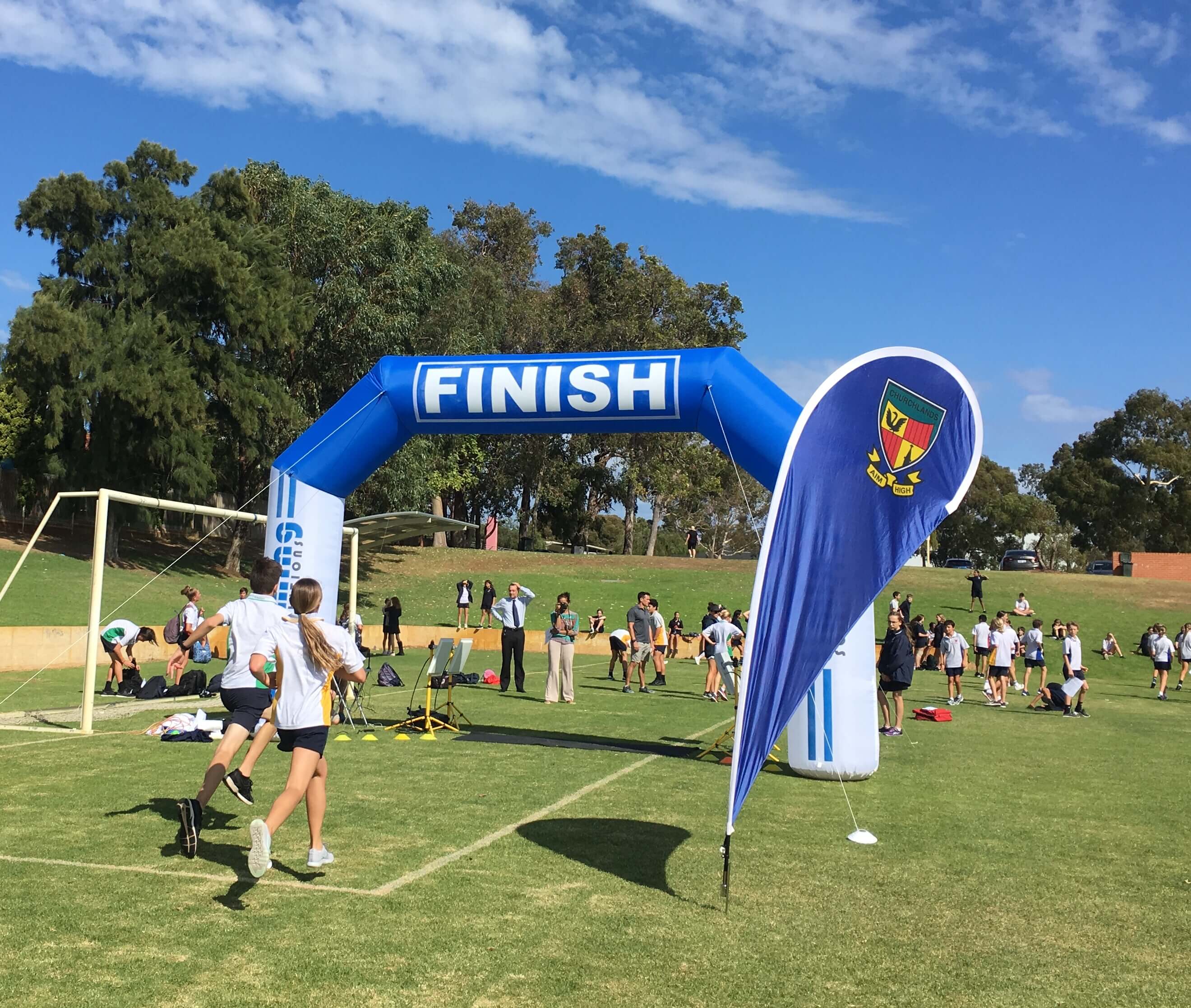
Over 1000 Year 7 and 8 students from Churchlands Senior High School laced up their running shoes yesterday for their annual Fun Run raising money for the Wesfarmers Centre of Vaccines and Infectious Diseases.
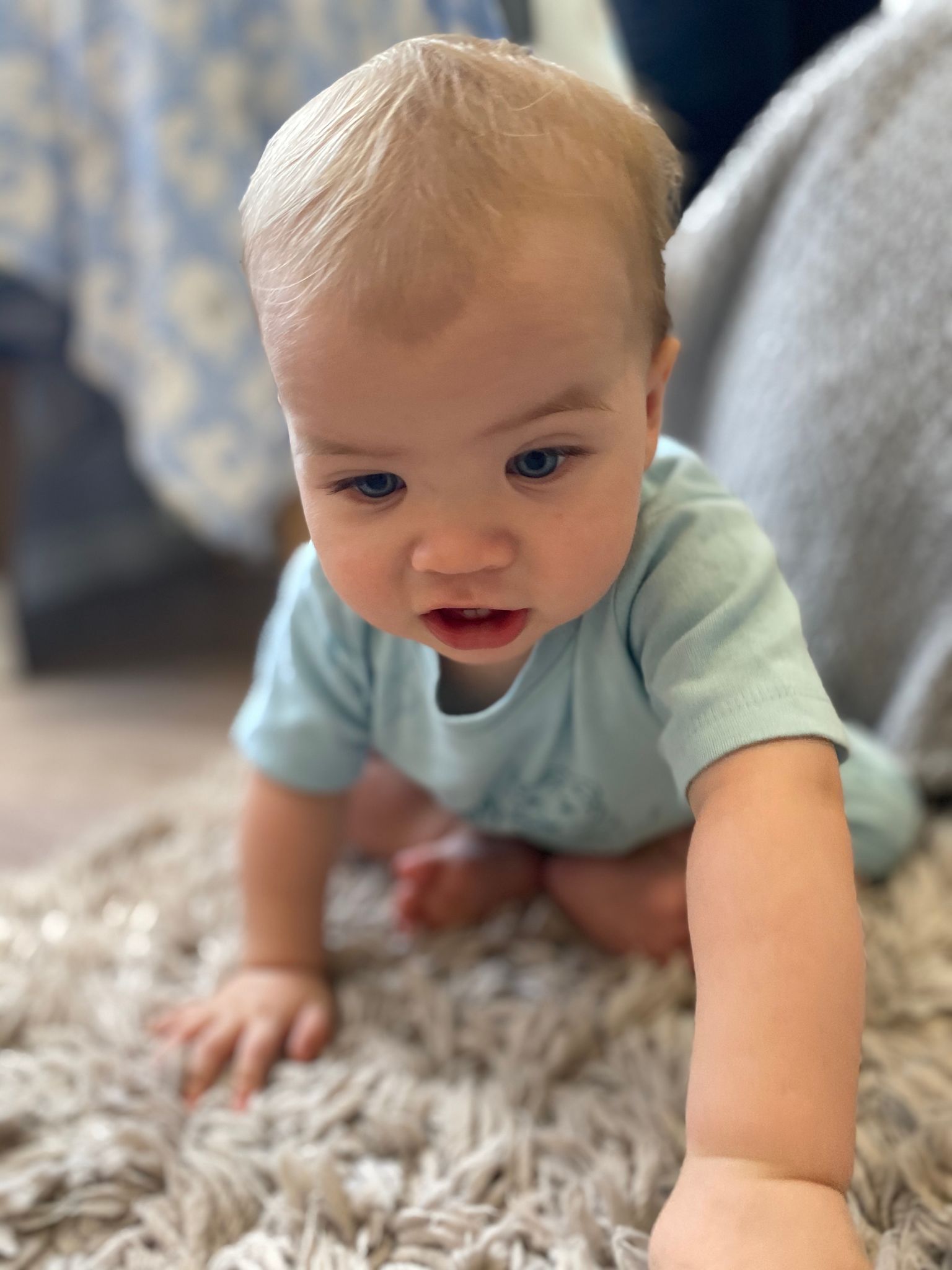
Focusing on the developmental trajectories of respiratory health includes developing strategies to improve and support immune system function and development over the life course.
Middle ear infections are one of the main reasons that children visit a GP, are prescribed antibiotics and need surgery. Aboriginal children are particularly susceptible and commonly suffer from hearing loss which can affect speech and learning.
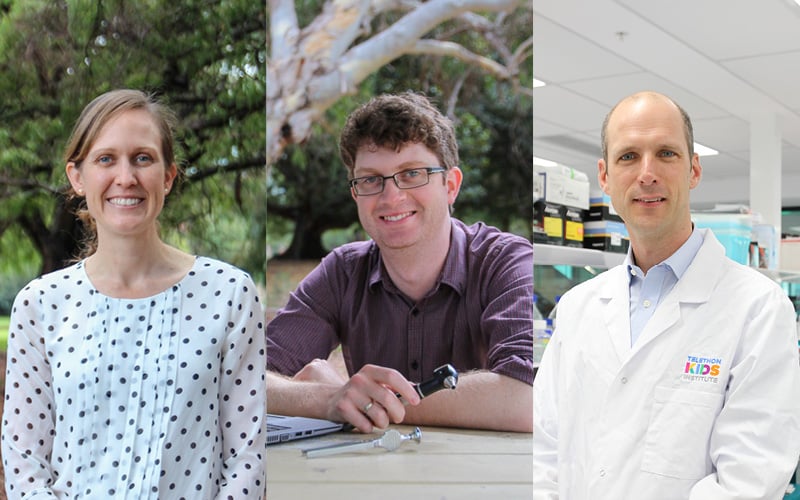
Three The Kids researchers have been named amongst WA’s most outstanding young scientists for their efforts to ensure kids around the country have the chance to lead happy and healthy lives.
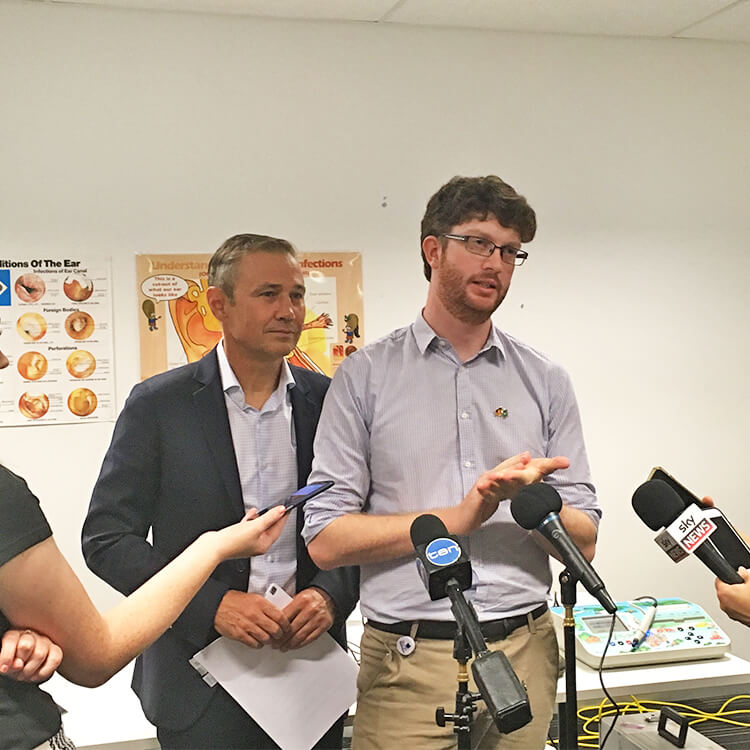
Wait times for Aboriginal children suffering ear infections could be reduced to less than four weeks thanks to a new The Kids Research Institute Australia research project