
Search
Showing results for "mental health aboriginal"
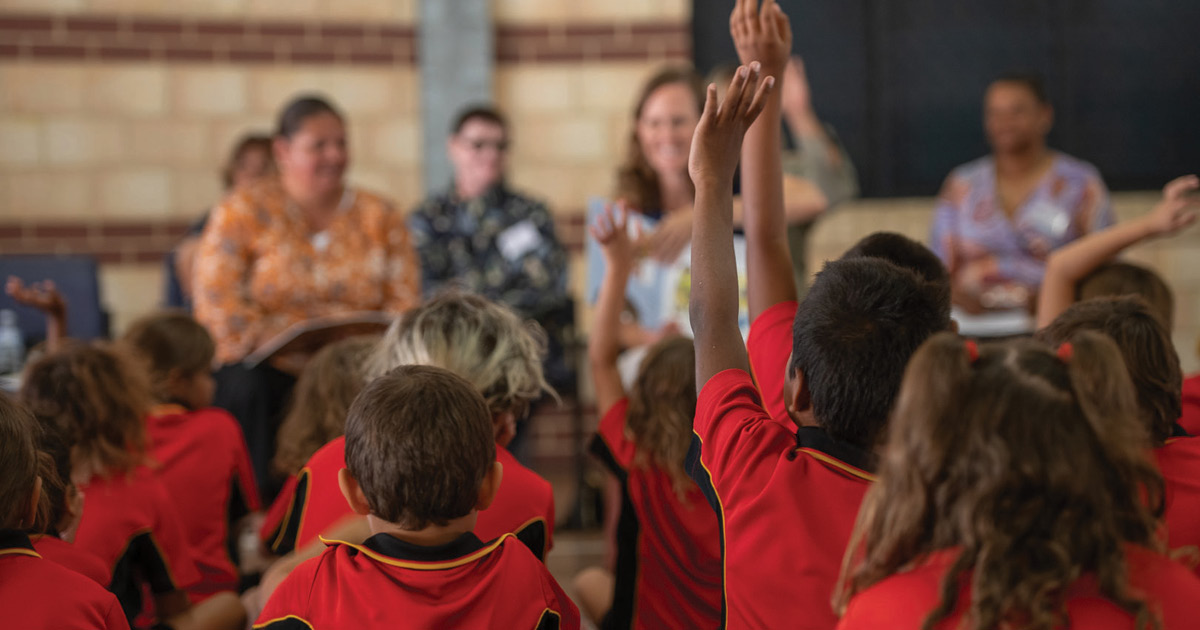
Schools play a major role in supporting young people with emotional and behavioural problems and are often where symptoms are first identified.
Healthy skin is a vital factor in the fight against life-threatening conditions like sepsis, heart disease and kidney disease, all of which can be caused by the bacteria Strep A.
Between 1964 and 1996, the 10-year survival of patients having valve replacement surgery for rheumatic heart disease (RHD) in the Northern Territory, Australia, was 68%. As medical care has evolved since then, this study aimed to determine whether there has been a corresponding improvement in survival.
Rheumatic heart disease (RHD) is a chronic cardiac condition with an infectious aetiology, causing high disease burden in low-income settings.
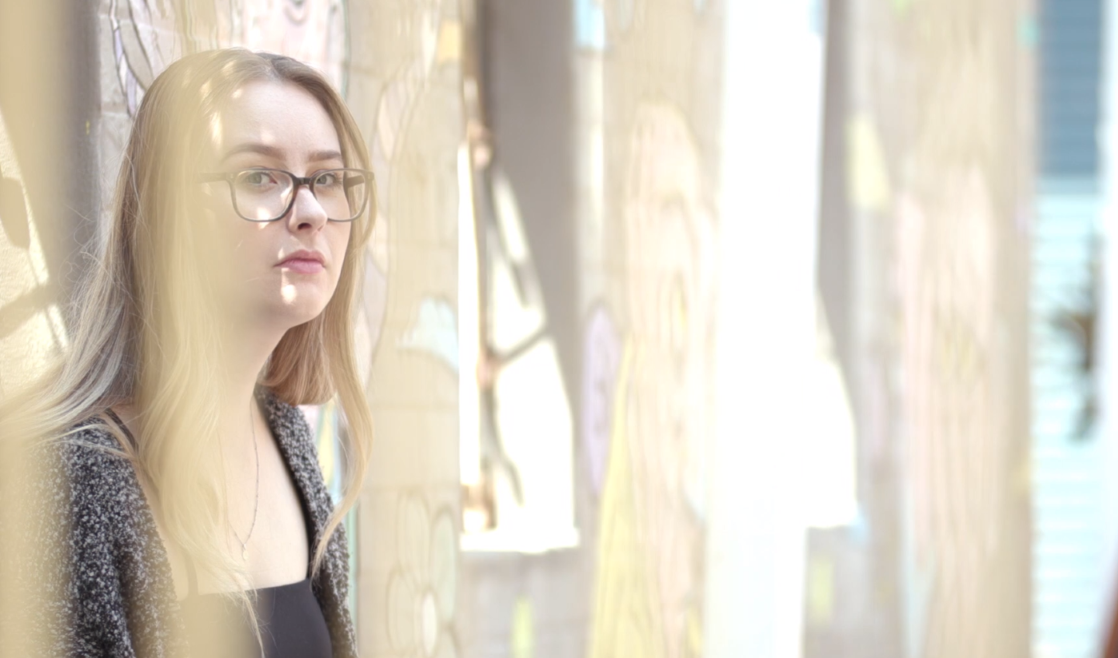
Young people and their families have teamed up with youth mental health providers and researchers to deliver a report which tackles youth suicide in WA.
The Early Moves study is investigating whether a baby’s early movements can predict difficulties with learning (known as cognitive impairment) later in childhood.
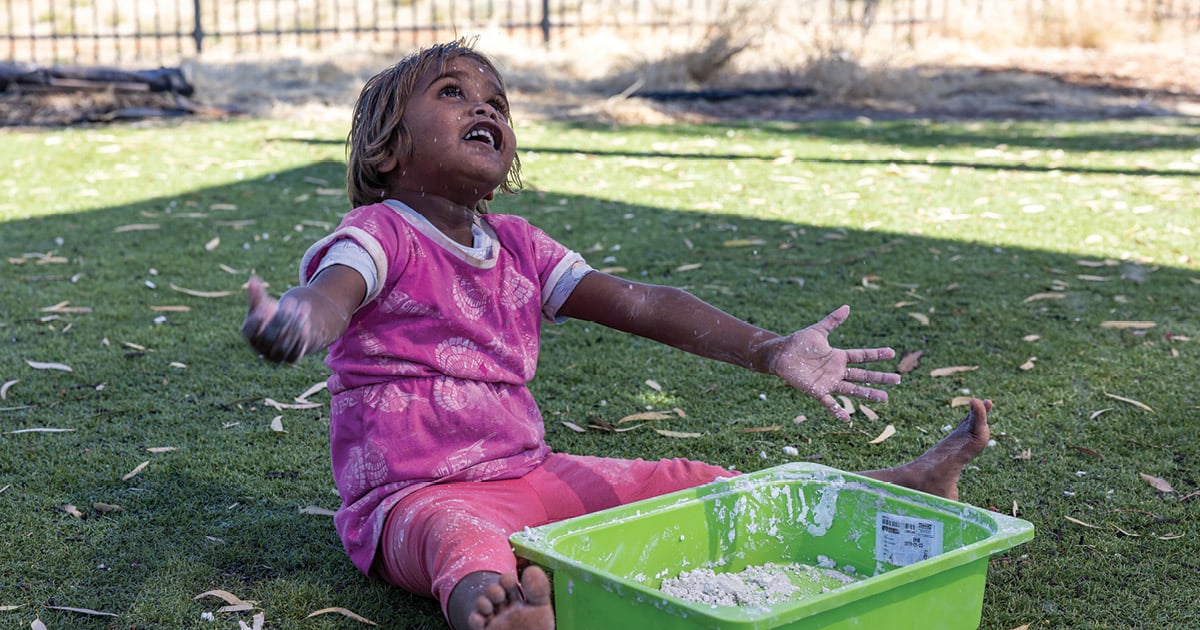
A unique initiative is combining research, action and advocacy to deliver evidence- based improvements to the health and wellbeing of Aboriginal families in Perth and Western Australia’s north west.
Indigenous patients are substantially underrepresented in care by services participating in the nationwide specialist palliative care Collaboration, likely reflecting widespread access barriers.
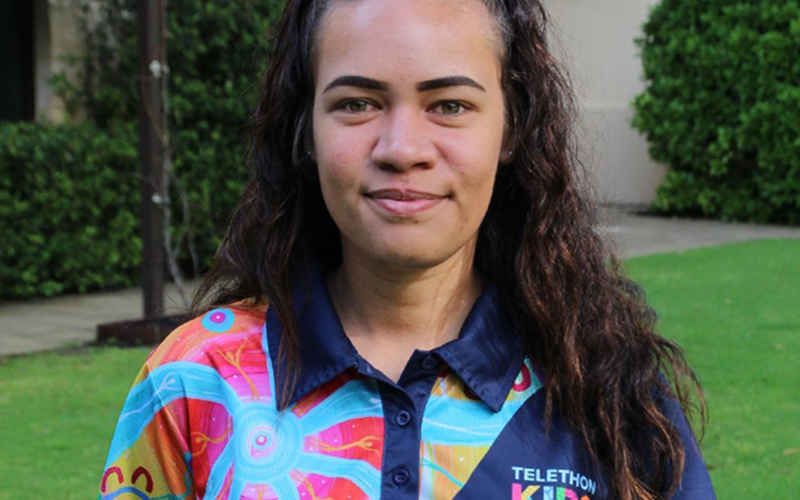
Jordeana Howard is a proud Yawuru, Nyul Nyul & Kija woman from the areas of Broome, Beagle Bay & Alice Downs, and a recipient of a The Kids Research Institute Australia STARS Award.
Asha Jonathan Bowen Carapetis AM BA MBBS DCH FRACP PhD GAICD FAHMS OAM AM MBBS FRACP FAFPHM PhD FAHMS Head, Healthy Skin and ARF Prevention Co-Head,