
Search
Showing results for "Childhood interstitial lung disease "
High consumption of sugar sweetened beverages (SSBs) has been linked to unhealthy weight gain and nutrition related chronic disease.

In a WA first, researchers from The Kids Research Institute Australia have shown that Aboriginal babies are 22.5 times more likely to be treated for skin infections than non-Aboriginal babies.
Deborah Lehmann AO, MBBS, MSc Honorary Emeritus Fellow Honorary Emeritus Fellow Clinical Associate Professor Deborah Lehmann is a medical
This project consists of two linked research programs, working to support malaria control and elimination using OpenMalaria: our in-house, open-source, malaria simulation tool.

Each year in Australia, around 120 children are diagnosed with brain cancer, the leading cause of cancer-related death in young people.
Obesity is a contributing factor to asthma severity; while it has long been understood that obesity is related to greater asthma burden, the mechanisms though which this occurs have not been fully elucidated. One common explanation is that obesity mechanically reduces lung volume through accumulation of adipose tissue external to the thoracic cavity.

Project Manager, Respiratory Health
Describe the ear and hearing outcomes in Aboriginal infants in an Australian urban area. Aboriginal infants enrolled in the Djaalinj Waakinj prospective cohort study had ear health screenings at ages 2-4, 6-8 and 12-18 months and audiological assessment at ∼12 months of age. Sociodemographic, environmental characteristics, otoscopy, otoacoustic emissions, tympanometry and visual reinforcement audiometry data were collected.
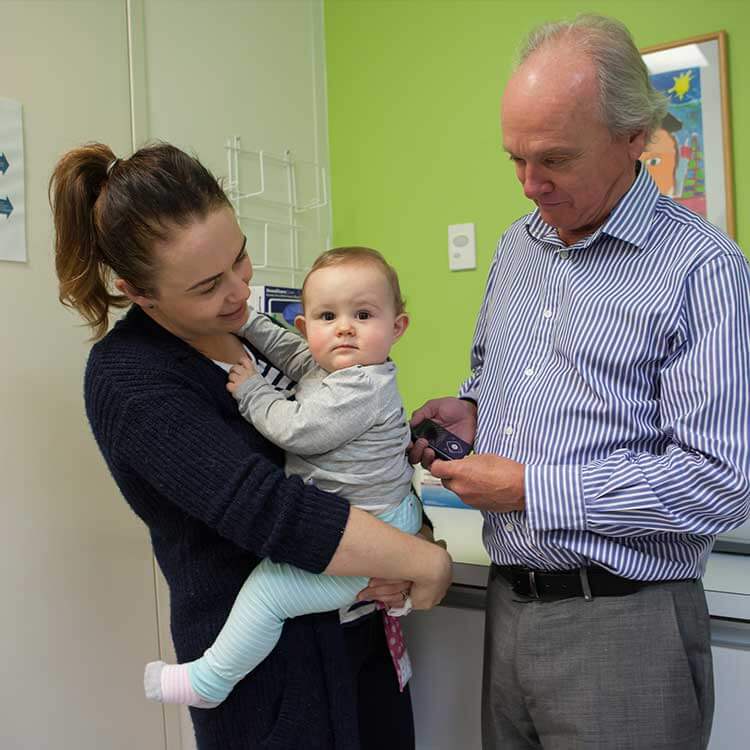
The Children's Diabetes Centre's research into Type 1 diabetes, childhood onset Type 2 diabetes and obesity aims to improve the lives of children and adolescents affected by these conditions.
Non-communicable diseases (NCDs) pose the greatest threat to human health globally. The dramatic rise in early onset NCDs - such as childhood obesity, the allergy epidemic and an increasing burden of mental ill health in children and youth - reflect the profound early impact of modern environments on developing systems.