
Search
Showing results for "Childhood interstitial lung disease "
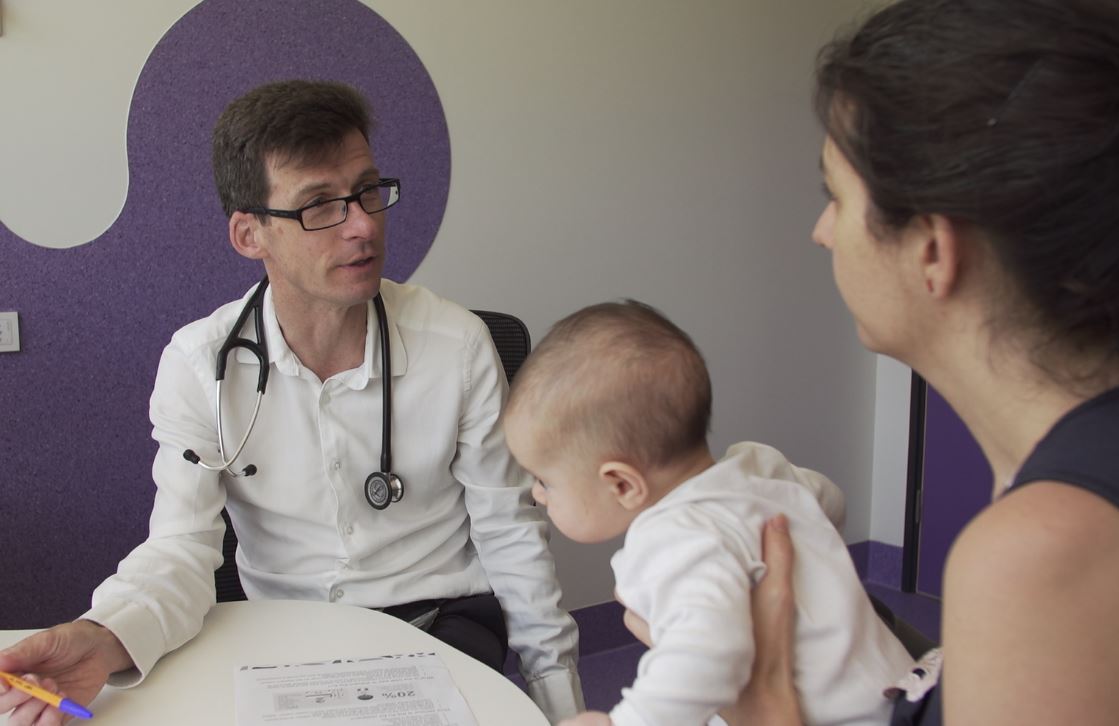
As the world waits for a COVID-19 vaccine Perth researchers are getting one step ahead – embarking on a new study designed to prepare parents and government for a potential Australia-wide vaccination program.

Researchers at Perth's The Kids Research Institute Australia have begun a study that could provide new insights into the role of vitamin D in the risk of multiple sclerosis (
Cancer researchers at Perth's The Kids for Child Health Research have discovered a genetic pattern that predicts the likelihood of relapse
A state of the art 3D molecular imager that will help researchers monitor how brain tumours grow has been delivered to the Telethon Institute.
Perth children are being asked to volunteer for an important national study to test the effectiveness of an influenza vaccine in children.
Chris Brennan-Jones PhD Head, Ear and Hearing Health chris.brennan-jones@thekids.org.au Head, Ear and Hearing Health Professor Chris Brennan-Jones is
One in four Australian children aged five years and under are overweight or obese. This program promoted healthful lifestyle behaviours to prevent obesity in children and families attending playgroups.

Dr Michael Mosley discusses ORIGINS in The Daily Mail
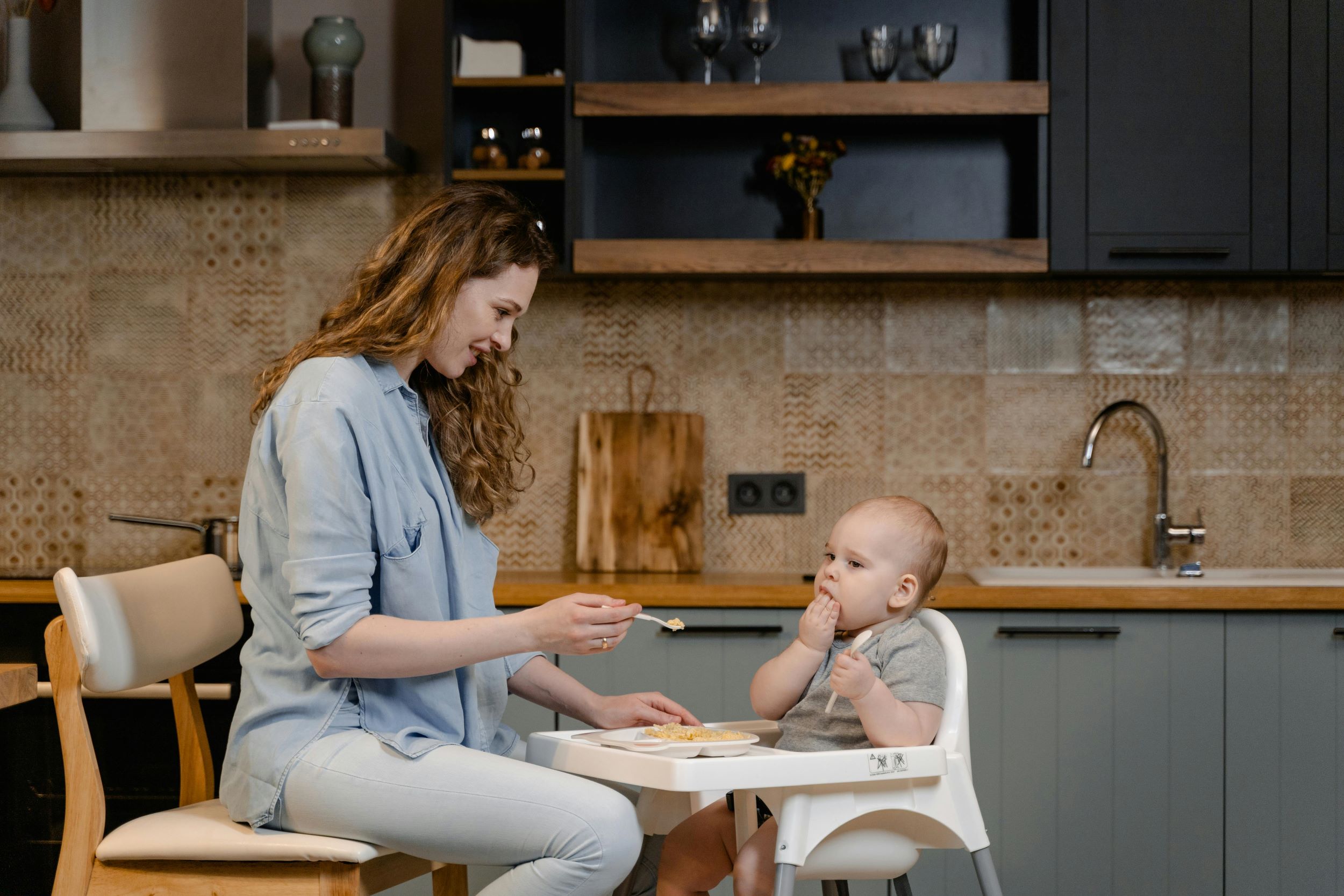
Breastfeeding and Eating Nuts and Eggs for Infant Tolerance
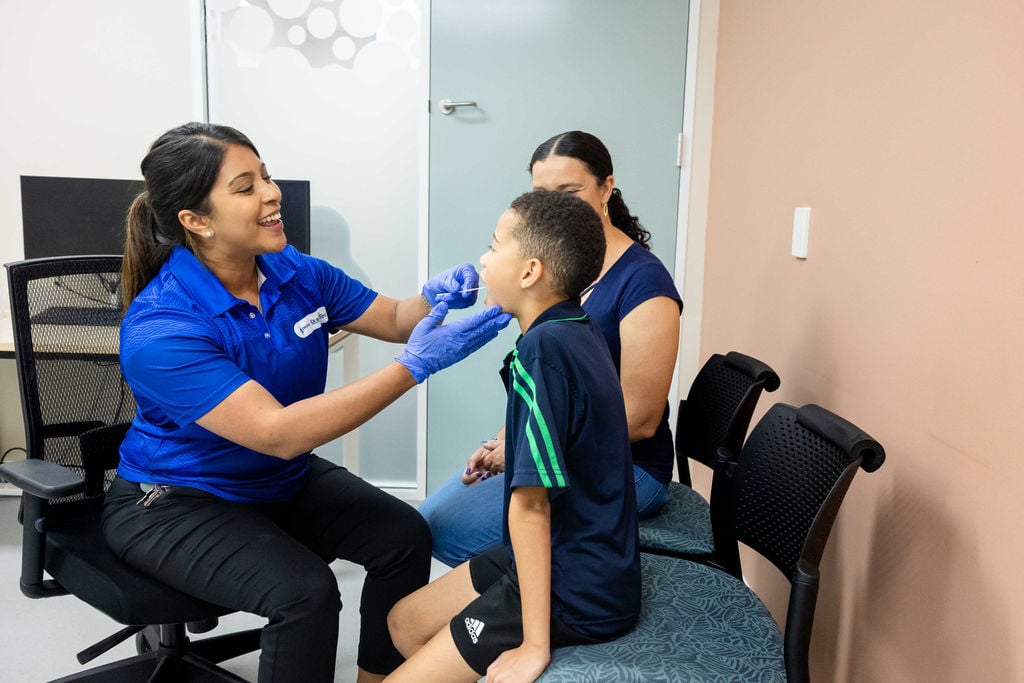
This sub-project aims to understand why some people develop long-term health problems after COVID-19 and to identify biological markers that can help doctors predict who is most at risk and how to treat them.