
Search
Showing results for "Childhood interstitial lung disease "
The recent increase in babies born with brain and eye malformations in Brazil is associated with Zika virus (ZIKV) infection in utero. ZIKV alters host DNA methylation in vitro. Using genome-wide DNA methylation profiling we compared 18 babies born with congenital ZIKV microcephaly with 20 controls. We found ZIKV-associated alteration of host methylation patterns, notably at RABGAP1L which is important in brain development, at viral host immunity genes MX1 and ISG15, and in an epigenetic module containing the causal microcephaly gene MCPH1. Our data support the hypothesis that clinical signs of congenital ZIKV are associated with changes in DNA methylation.
This data set provides a useful reference point for genomic studies on Aboriginal Australians
The Rare and Undiagnosed Diseases Diagnostic Service refers to a genomic diagnostic platform operating within the Genetic Services of Western Australia
We generated updated estimates of child mortality in various age groups for 188 countries from 1970 to 2013.
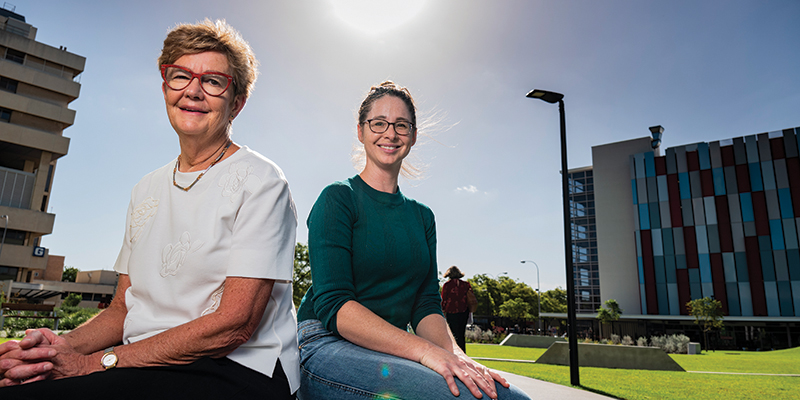
For decades Aussies have been told to minimise sun exposure to prevent skin cancer - now researchers at Telethon Kids are challenging that message.
Osteoclasts are important regulators of bone remodeling, with an established role in maintaining skeletal homeostasis. The emergence of osteoimmunology has identified osteoclasts as key players in the immune system. In particular, osteoclasts can initiate bi-directional crosstalk mechanisms with hematopoietic stem cells and various immune cells, such as T cells, B cells and NK cells, to influence hematopoiesis and inflammatory response.
The rarity of the mesenchymal stem cell (MSC) population poses a significant challenge for MSC research. Therefore, these cells are often expanded in vitro, prior to use. However, long-term culture has been shown to alter primary MSC properties.
Scabies is an important predisposing factor of impetigo which can lead to serious bacterial complications. Ivermectin-based mass drug administration can substantially reduce scabies and impetigo prevalence in endemic settings, but the impact on serious bacterial complications is not known.
In 2020, school and early childhood educational centre (ECEC) closures affected over 1.5 billion school-aged children globally as part of the COVID-19 pandemic response. Attendance at school and access to ECEC is critical to a child's learning, well-being and health. School closures increase inequities by disproportionately affecting vulnerable children. Here, we summarise the role of children and adolescents in Severe Acute Respiratory Syndrome Coronavirus 2 (SARS-CoV-2) transmission and that of schools and ECECs in community transmission and describe the Australian experience.
Medulloblastoma is the most common form of malignant paediatric brain tumour and is the leading cause of childhood cancer related mortality.