
Search
Showing results for "mental health aboriginal"
The review built a case for extending simple and cost–effective measures to all countries. Had these recommendations been put into action, significant...
Perth's The Kids for Child Health Research has been awarded a major national grant to continue ground-breaking work on child health and development.
To investigate epigenomic indices of diabetic kidney disease (DKD) susceptibility among high-risk populations with type 2 diabetes mellitus.
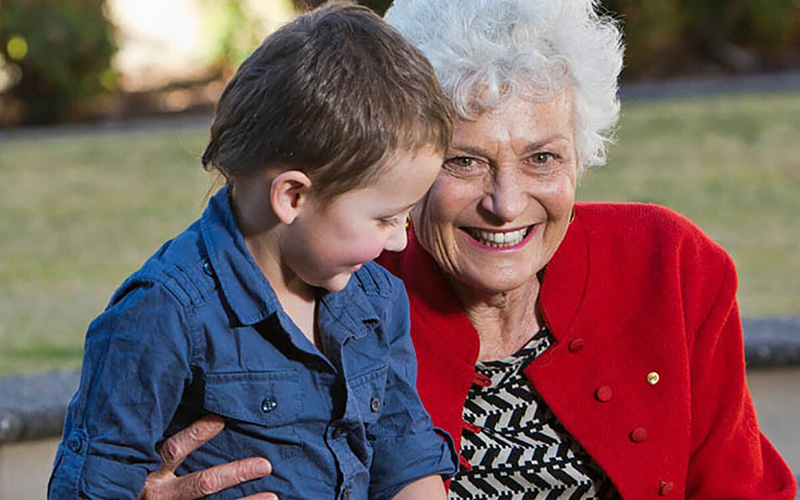
This opinion article was originally published in the West Australian on July 20, 2023.
A comparative study to describe the increase in medical admissions of children and adolescents with anorexia nervosa (AN) in Western Australia in 2019 (pre-pandemic) and 2020 (peri-pandemic).
Substance use disorders (SUDs) cause significant harm to regional Australians, who are more likely to misuse alcohol and other drugs (AODs) and encounter difficulty in accessing treatment services. The primary aims of this study were to describe the demographics of patients aeromedically retrieved from regional locations and compare hospital outcomes with a metropolitan-based cohort.
Asthma during pregnancy is associated with a range of adverse perinatal outcomes. It is also linked to increased rates of neurodevelopmental conditions in the offspring. We aimed to assess whether fractional exhaled nitric oxide (FENO)-based asthma management during pregnancy improves child developmental and behavioural outcomes compared to usual care. The Breathing for Life Trial was a randomised controlled trial that compared FENO-based asthma management during pregnancy to usual care.
Mother-infant interactions during the first year of life are crucial to healthy infant development. The infant-directed speech (IDS), and specifically pitch contours, used by mothers during interactions are associated with infant language and social development.

Principal Research Fellow
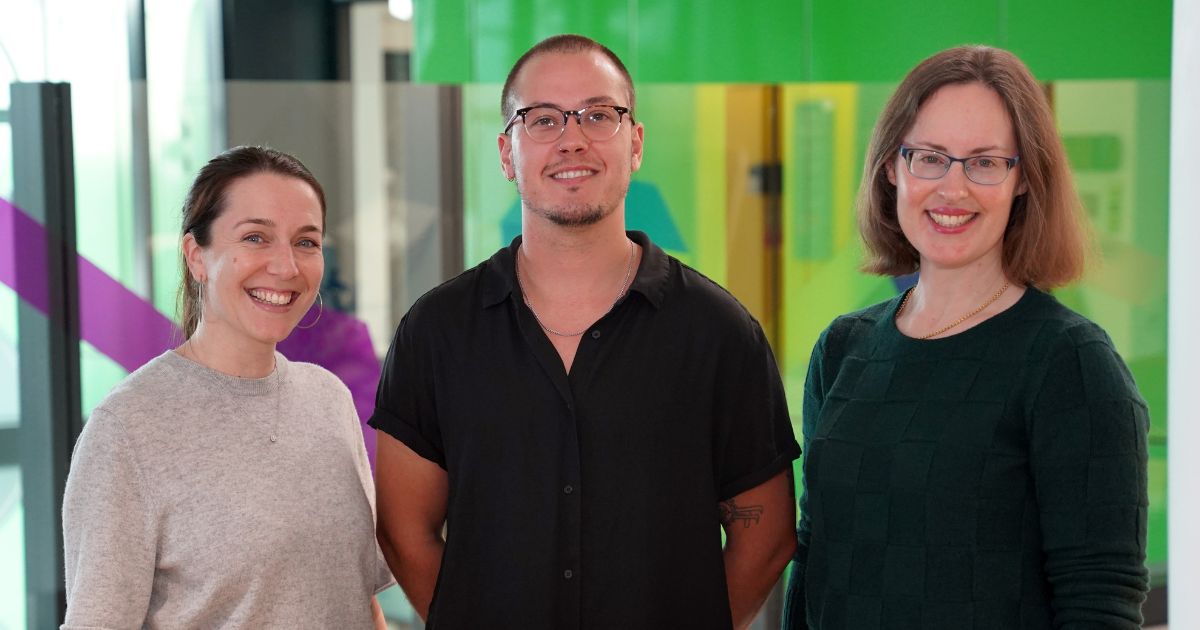
A project that aims to understand and support the mental health of Australians with complex gender-affirmation experiences has received the $150,000 Embrace Big Idea Grant for 2024.