
Search
Showing results for "mental health aboriginal"
Designed by community for community, the Strong Skin App is a go-to resource to support your skin health.
Pneumococcal disease outbreaks of vaccine preventable serotype 4 sequence type (ST)801 in shipyards have been reported in several countries. We aimed to use genomics to establish any international links between them.
To investigate antimicrobial susceptibility of Moraxella catarrhalis isolated from a cohort of children being followed in a study of the natural history of OM
Young people who have had contact with the criminal justice system are at increased risk of early death, especially from injuries. However, deaths due to non-communicable diseases (NCDs) in this population remain poorly described. We aimed to estimate mortality due to NCDs in people with a history of involvement with the youth justice system, compare NCD mortality rates in this population with those in the general population, and characterise demographic and justice-related factors associated with deaths caused by NCDs in people with a history of contact with the youth justice system.
Refugee children have complex backgrounds with exposure to multiple traumatic events.
To determine age-specific and age-standardised incidence trends of acute rheumatic fever (ARF) or rheumatic heart disease (RHD) among Indigenous Western Australians aged less than 35 years of age.
Given the ongoing mortality and morbidity from GAS infections, we must address more effectively the treatment and prevention of GAS impetigo and pharyngitis
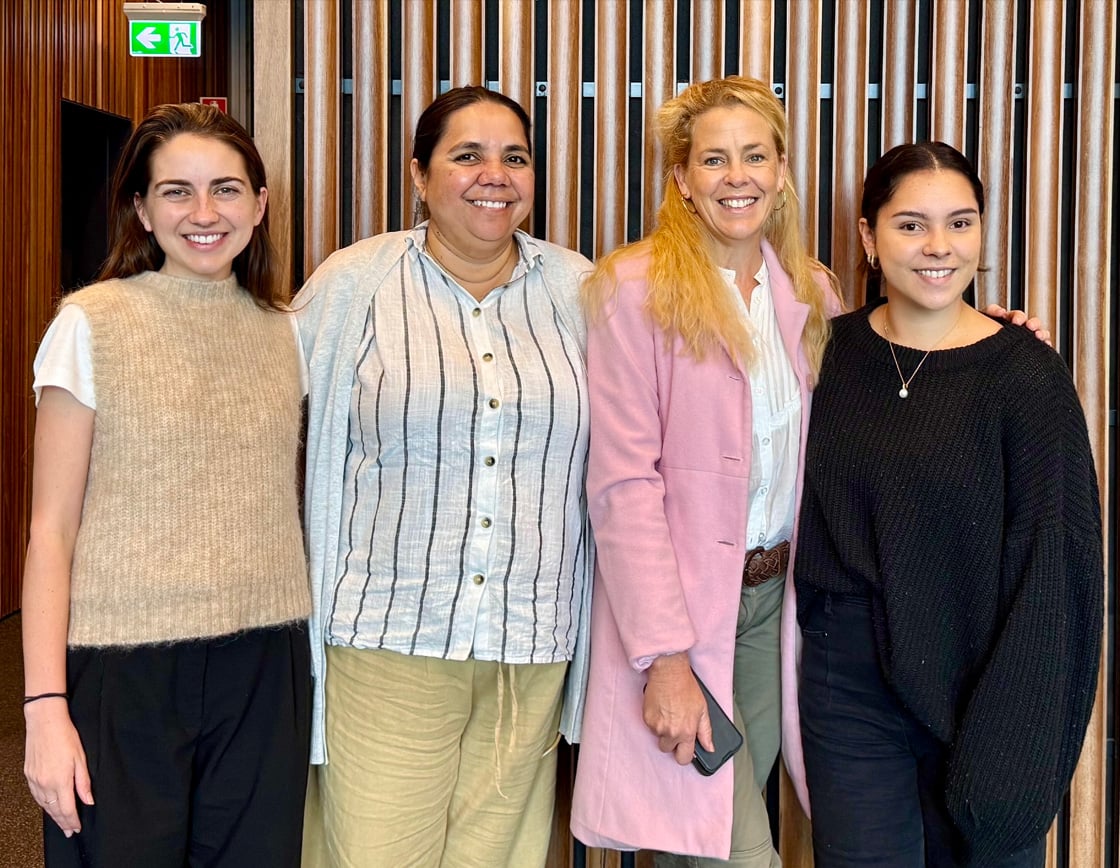
Inviting expressions of interest for the INSPIRE Consumer Reference Group (CRG) of WA – a group for the Aboriginal Children’s Excellent (ACE) Lung Health studies.
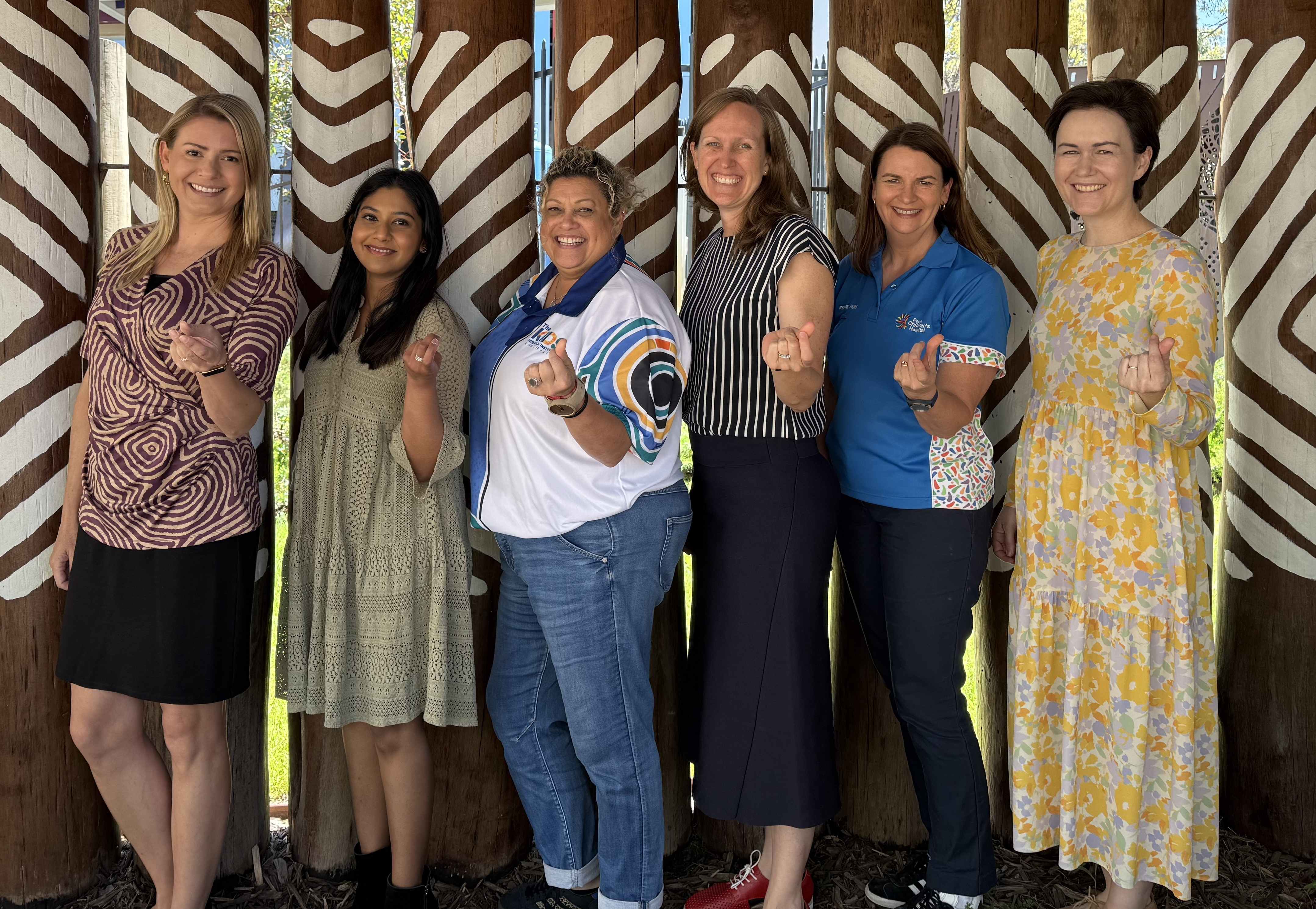
Perth investigators involved in a major global trial have launched an innovative Cultural Information Hub to maximise cultural safety for Aboriginal and/or Torres Strait Islander patients participating in research.
A considerable proportion of patients with type 1 diabetes (T1D) experience emotional problems due to the continual demands of the disease, which may persist throughout life without appropriate support. The aim of this study was to assess the feasibility and acceptability of an Acceptance and Commitment Therapy (ACT) intervention and provide early indications of its capacity to impact psychosocial outcomes for adolescents with T1D.