
Search
Showing results for "clinical trials"

Honorary Research Associate
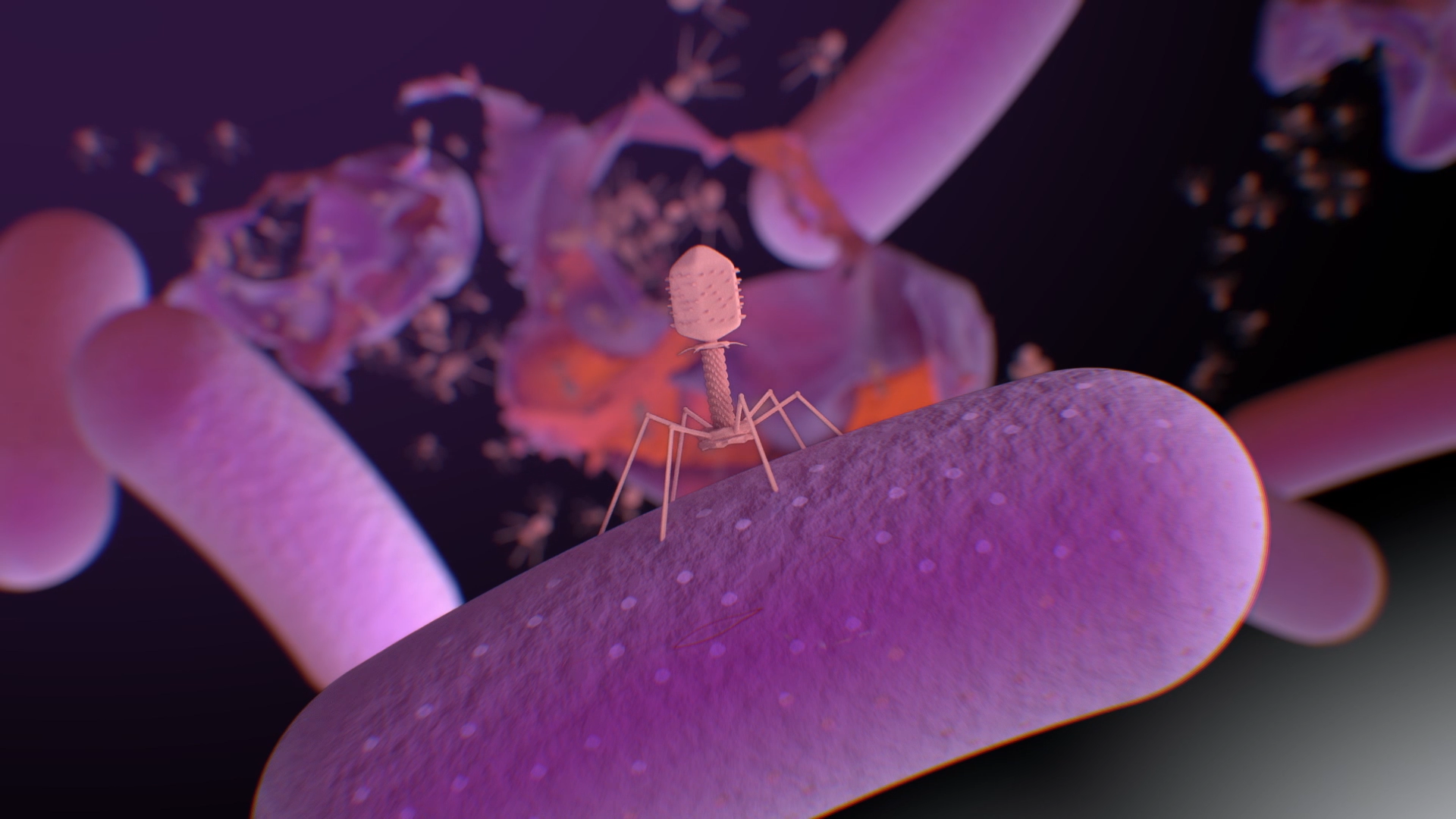
START Phage WA was formed to pave the way towards treating AMR infections with phage therapy in Western Australia.
Much information exists about functions of the human placenta and about potential mechanisms by which the placenta may influence human health or disease...
Our findings demonstrate that Ultra-High-Risk groups evidence a similar clinical risk profile when we expand this beyond transition to psychosis

Illuminate PitchFest is back! We are excited to introduce you to 10 trailblazing researchers who will be taking to the stage this February to pitch their bold and bright ideas.
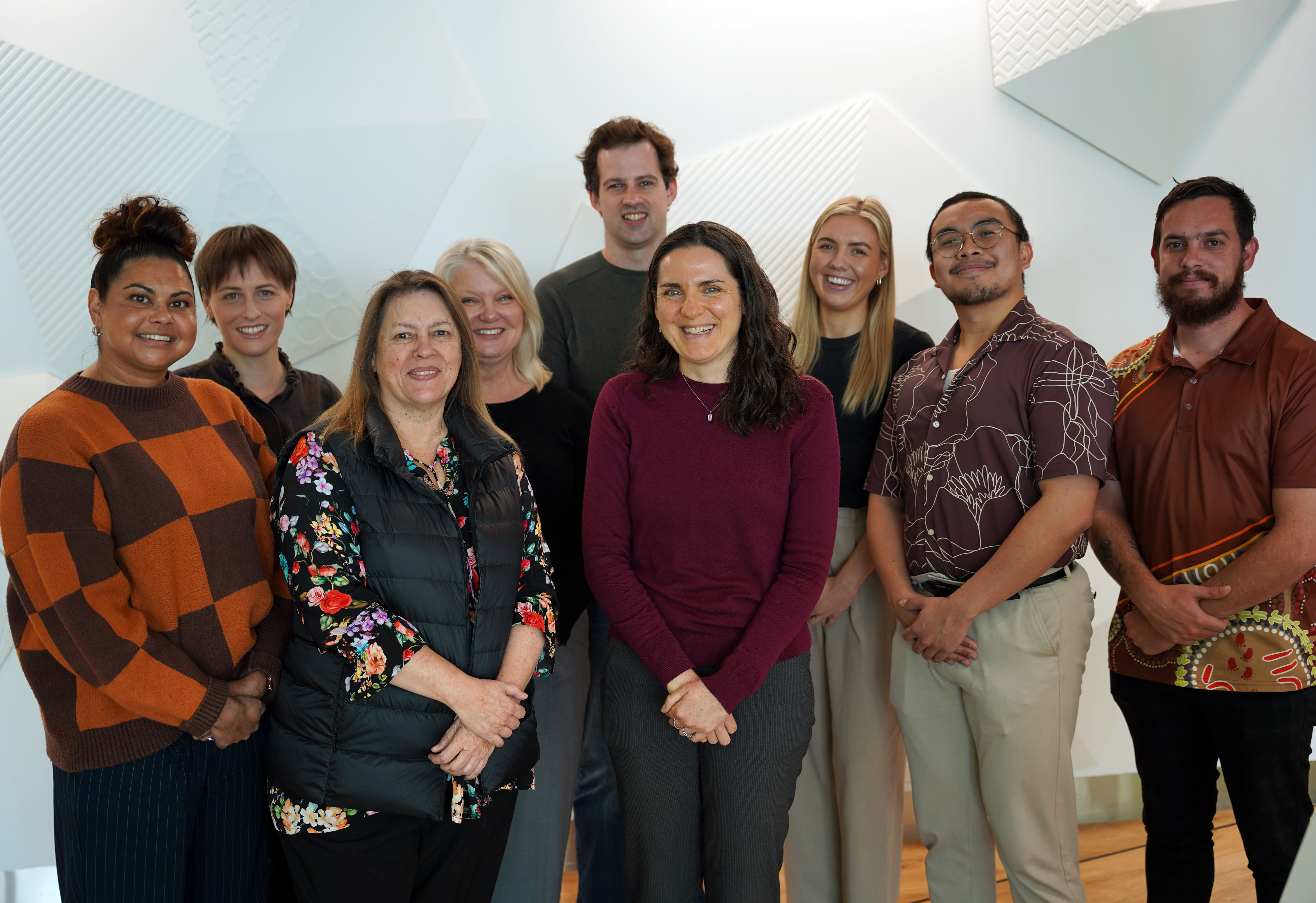
Embrace has appointed Professor of Clinical Psychology Jeneva Ohan as its new Co-Director alongside Professor Helen Milroy AM.

Researchers will map the key moments that shape family decision-making about accessing mental health support for young people.
Our research on Trauma-Informed Care in Paediatric Healthcare is guided by the people it’s about: young people, parents and carers, and hospital staff.

Players from Perth Scorchers’ KFC Big Bash team paid an unexpected visit to cricket fans in PMH’s diabetes ward recently.

Senior Research Officer